Call Us Today : (757) 596-6850

Are You Eligible for Porcelain Crowns? Exploring Candidacy Criteria
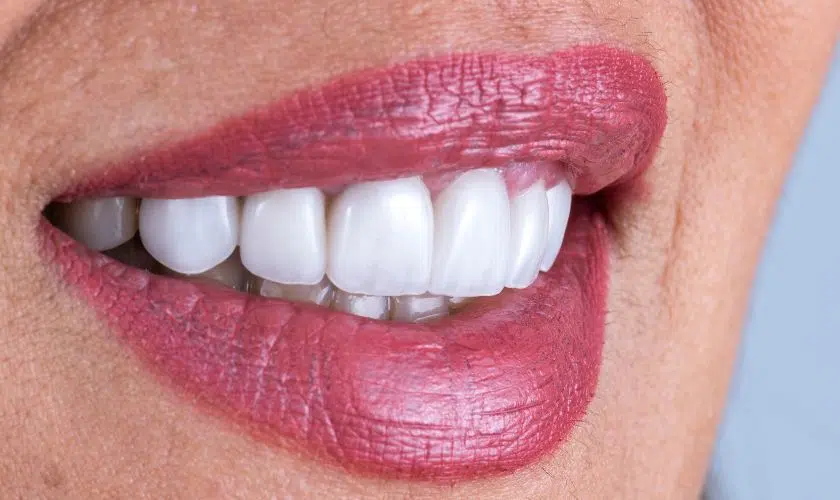
Porcelain crowns are a versatile and aesthetic solution for various dental issues, but not everyone may be an ideal candidate for this transformative dental procedure. Let’s delve into the factors that determine eligibility and explore the candidacy criteria for porcelain crowns.
Dental Examination and Assessment
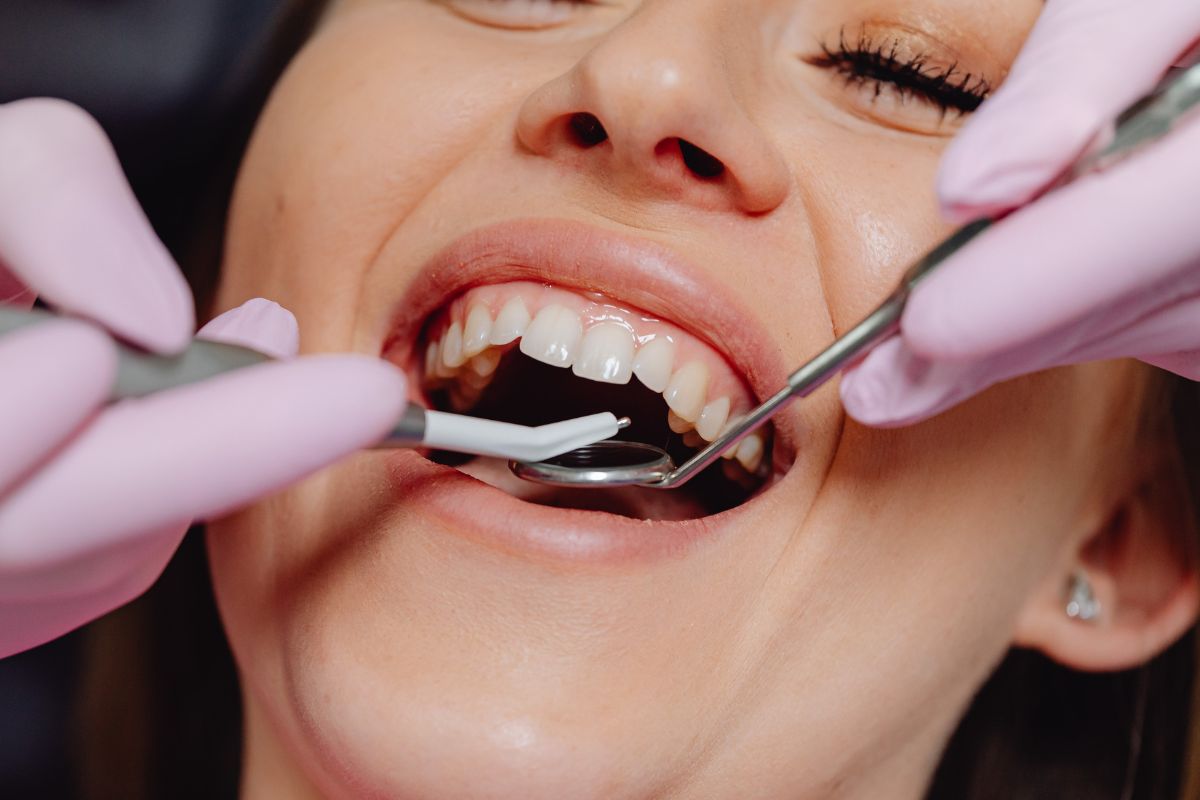
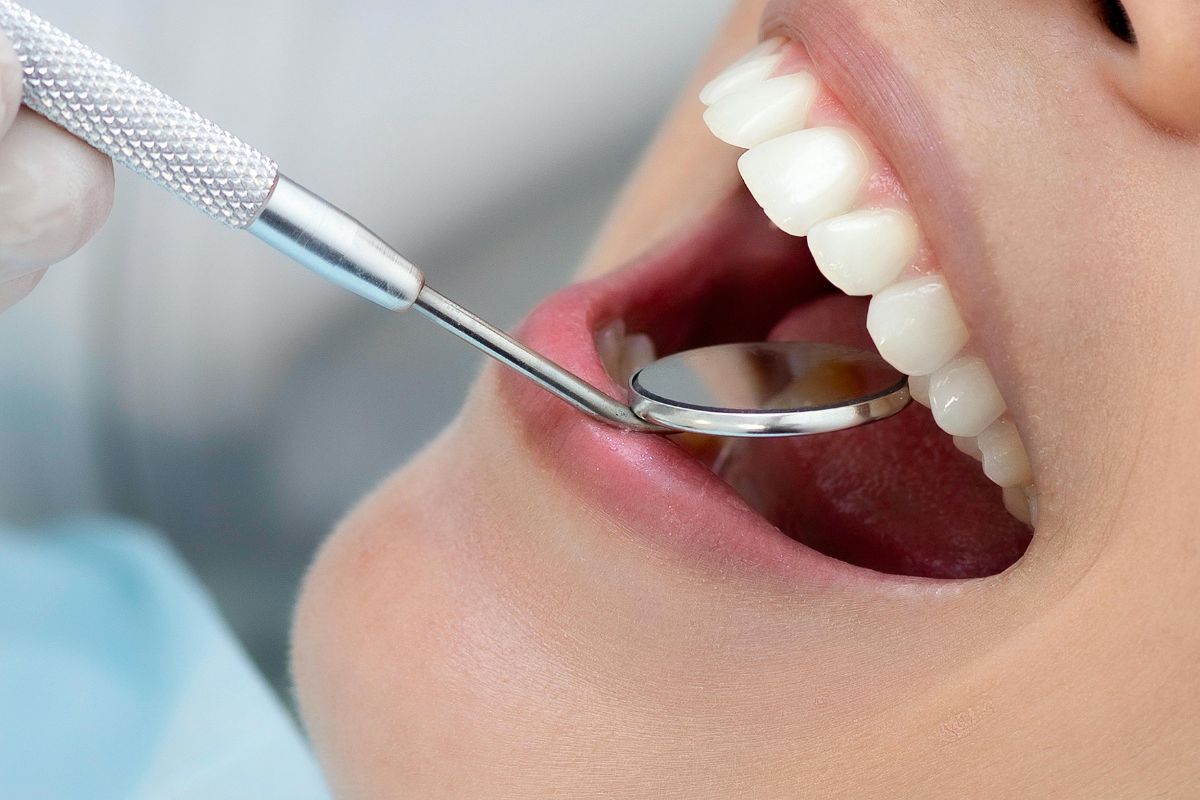
The journey to porcelain crowns typically begins with a comprehensive dental examination. Your dentist will assess the overall health of your teeth and gums, looking for signs of decay, damage, or other issues that may require restoration. A thorough evaluation ensures that porcelain crowns are the right choice for addressing your specific dental concerns.
Extent of Tooth Damage
Porcelain crowns are often recommended for restoring teeth with significant damage, such as cracks, fractures, or large cavities. If your tooth structure is compromised but can still provide a stable foundation, you may be an excellent candidate for porcelain crowns. These crowns effectively cover and protect damaged teeth, restoring both form and function.
Cosmetic Enhancement Goals
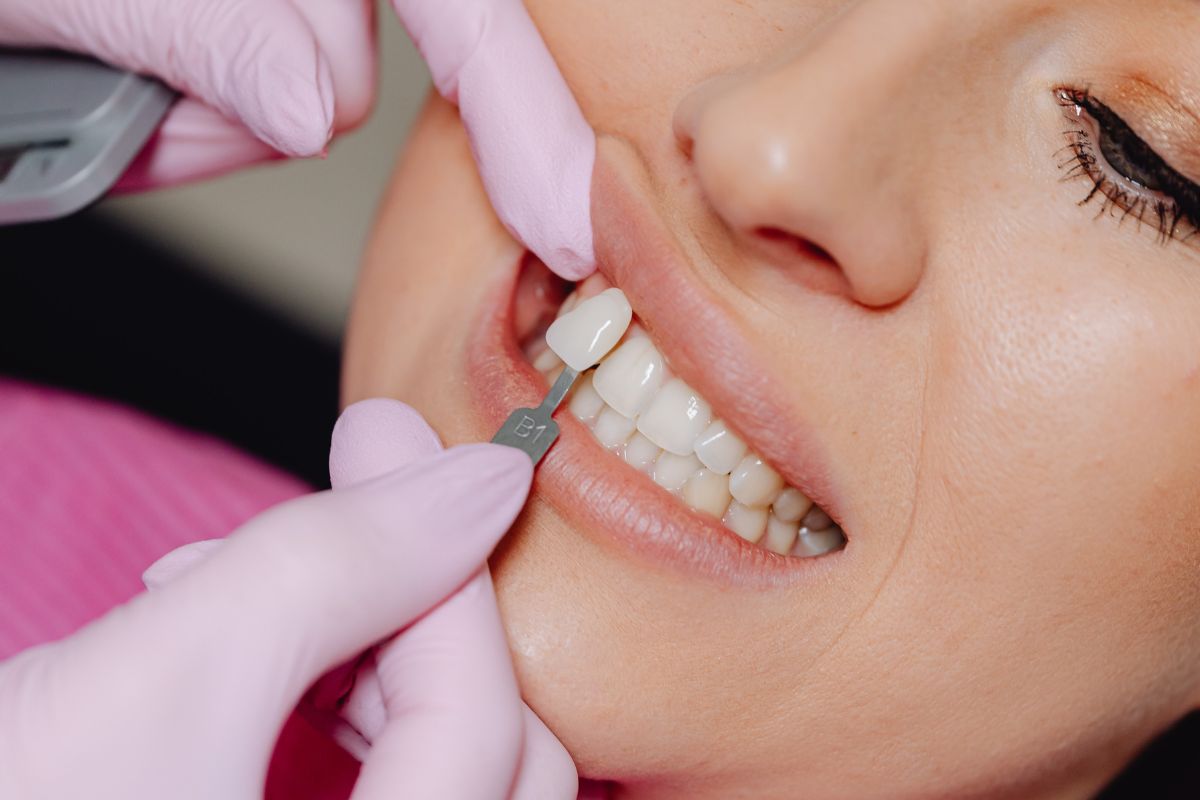
Beyond functional restoration, porcelain crowns are renowned for their aesthetic benefits. If you have cosmetic concerns like discolored, misshapen, or poorly aligned teeth, porcelain crowns can enhance the appearance of your smile. Candidacy often depends on aligning your cosmetic goals with the capabilities of porcelain crowns to achieve a natural and appealing result.
Healthy Gums and Supporting Structures
Good oral health extends beyond the teeth to the supporting structures, particularly the gums. Healthy gums are crucial for the success of porcelain crowns. Your dentist will assess the condition of your gum tissue to ensure it can provide proper support for the crown. Addressing any underlying gum issues may be necessary before proceeding with the crown placement.
Commitment to Oral Hygiene
Maintaining oral hygiene is essential for the longevity of porcelain crowns. Candidates for this procedure should be committed to regular oral care practices, including brushing, flossing, and routine dental check-ups. A healthy oral hygiene routine contributes to the overall success and durability of porcelain crowns.
Bite Alignment and Occlusion
Proper bite alignment is vital for the success of porcelain crowns. Your dentist will evaluate your bite to ensure that the placement of the crowns does not disrupt the natural occlusion of your teeth. Any issues with bite alignment may need to be addressed before considering porcelain crowns to prevent potential complications.
Tooth Sensitivity and Allergies
Candidates for porcelain crowns should not have significant issues with tooth sensitivity or allergies to the materials used in the crowns. Porcelain is known for its biocompatibility, but it’s crucial to communicate any sensitivities or allergies to your dentist during the assessment process.
Individualized Treatment Plans
Every individual is unique, and so are their dental needs. Candidacy for porcelain crowns is determined on a case-by-case basis. Your dentist will create an individualized treatment plan based on your specific oral health, goals, and the extent of dental issues that need addressing.
In conclusion, porcelain crowns offer a remarkable solution for both functional and cosmetic dental concerns, but eligibility depends on various factors. If you’re considering porcelain crowns, schedule a consultation with your dentist to determine if you meet the candidacy criteria and to discuss the potential benefits of this transformative dental procedure.