Call Us Today : (757) 596-6850

Does It Hurt to Get Dental Implants: What to Expect During the Procedure

If you’ve been considering a permanent solution for missing teeth, you may have a critical question in mind: Does it hurt to get dental implants?
Dental implants are one of the most advanced and long-lasting options for tooth replacement. However, concerns about pain or discomfort are common, especially for first-time patients or parents helping their child through a dental journey.
This blog will explain what to expect during the dental implant process, how pain is managed, and why it’s not as intimidating as it sounds.
Understanding the Dental Implant Procedure
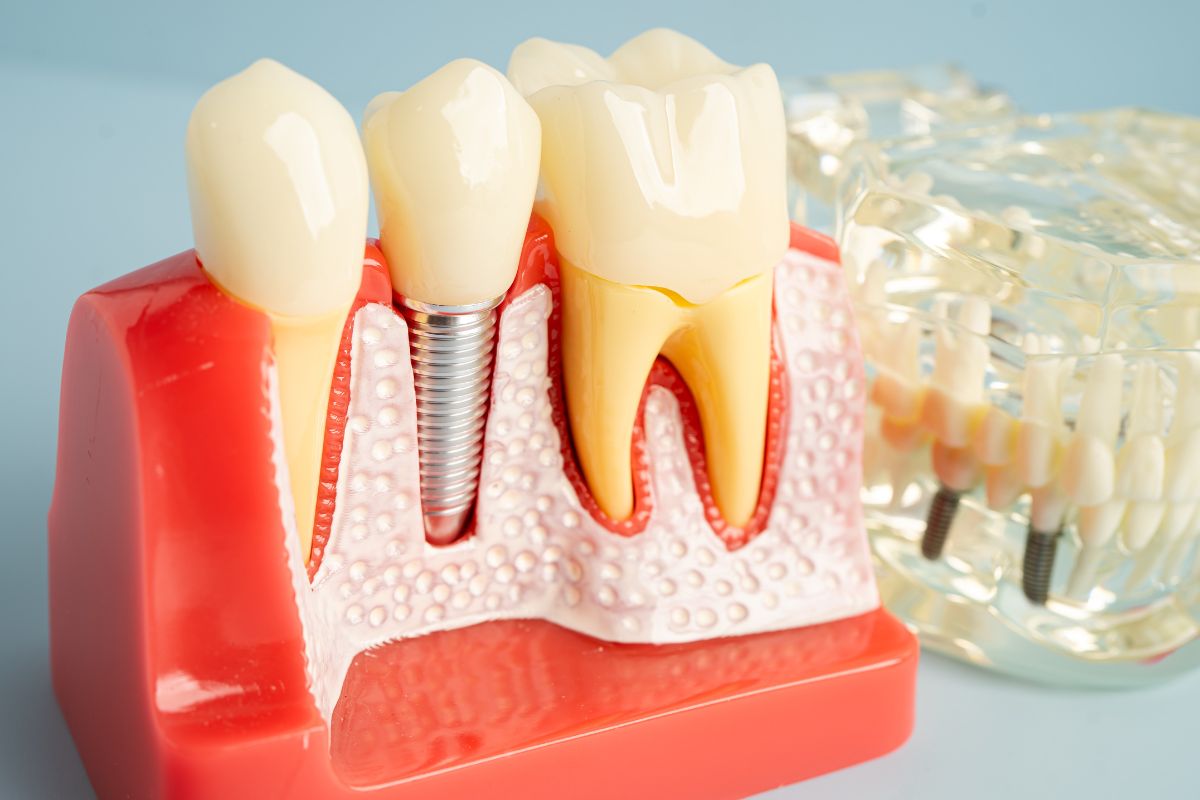
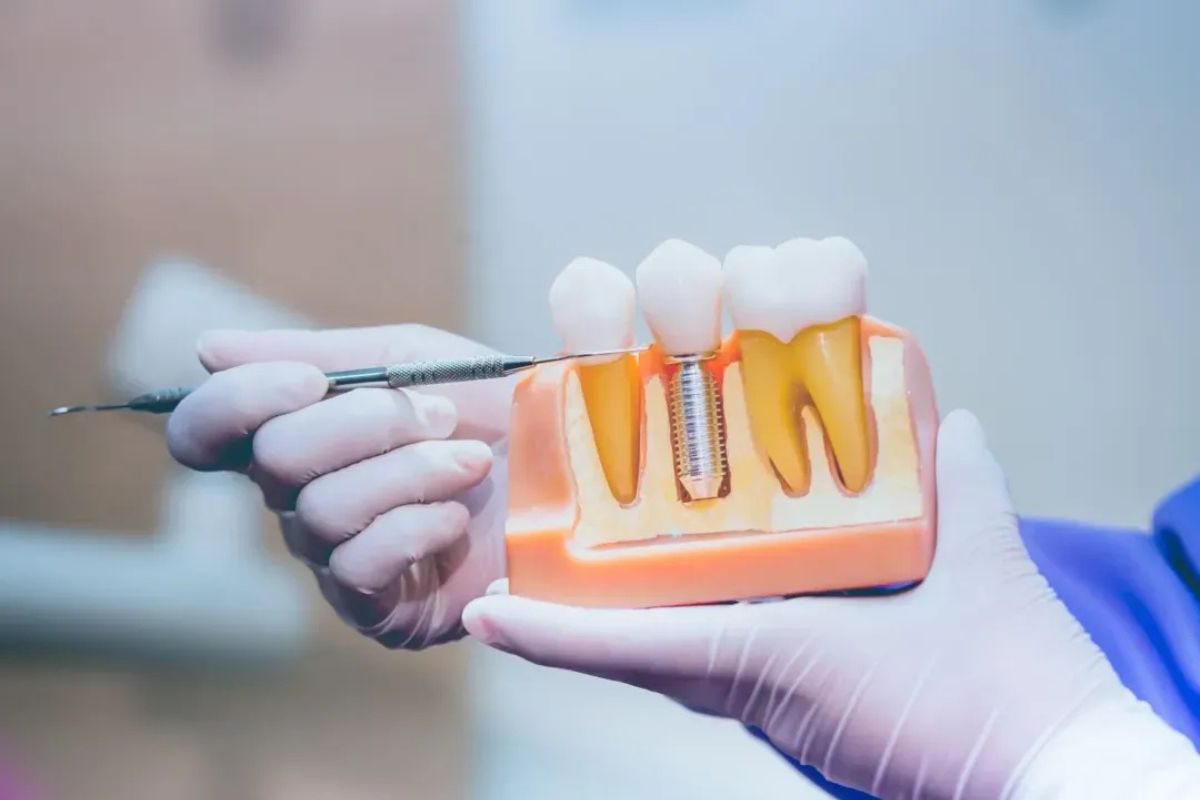
Dental implants involve placing a titanium post into the jawbone to replace the root of a missing tooth. After healing, a crown is attached to restore the tooth’s full function and appearance. The process is carefully planned to ensure comfort, safety, and long-term success.
If you’re considering dental implants in Newport News, Covaney & Covaney is a trusted provider offering expert care in a comfortable setting. We use the latest technology and techniques to ensure our patients experience minimal discomfort and optimal results.
Still thinking, does it hurt to get dental implants? Let’s take a closer look at the experience.
Do Dental Implants Hurt? Here’s the Truth
1. During the Procedure: Little to No Pain
Most patients are surprised by how little pain they feel during implant placement. This is because the area is numbed with local anesthesia before the procedure begins. You may feel mild pressure or movement, but no sharp pain.
Some patients also choose sedation for extra comfort, especially if they’re nervous or having multiple implants placed.
So, does it hurt to get dental implants while you’re in the chair? Thanks to effective anesthesia and gentle techniques, the answer is no for most people.
2. After the Procedure: Mild Discomfort, Not Severe Pain
Once the numbness wears off, it’s normal to feel soreness or swelling at the surgical site. Your body’s natural healing response usually lasts a few days.
Here’s what to expect:
- Mild swelling in the cheeks or jaw
- Tenderness at the implant site
- Possible bruising
- Slight bleeding on the first day
These side effects are typically managed with over-the-counter pain relievers. Most patients report that recovery is easier than they imagined.
So again, does it hurt to get dental posts afterward? There may be minor discomfort, but not intense or long-lasting pain.
3. Healing Period: What It Feels Like
The healing process, called osseointegration, takes several weeks as the implant fuses with the bone. During this time, you won’t feel pain from the implant, but you may have mild gum sensitivity or tightness from the temporary restorations. Most patients return to their daily activities within 1–2 days after surgery.
4. What About Multiple Implants or Bone Grafts?
If your treatment includes multiple implants or bone grafting, the healing time may be longer. You might feel more swelling or pressure, but it’s still manageable with rest, soft foods, and medication. Your implant dentist will always provide clear aftercare instructions.
Final Takeaways: Does It Hurt to Get Dental Implants?
The short answer? Not really. Modern implant dentistry is designed with comfort in mind. Most patients experience far less pain than expected during and after the procedure. The process is smoother with local anesthesia, sedation options, and gentle care than other dental treatments.
If you’re still wondering if getting dental implants hurts, the best step is to speak with an experienced dental implant provider who can explain the process and ease your concerns.
Get Started with Covaney & Covaney – Experts in Permanent Tooth Restorations
Your comfort is our priority. From consultation to follow-up, our skilled dental team will walk you through every step of the implant process.
If you’re considering dental implants, we’re here to help you confidently regain your smile.
Schedule an appointment today and visit our dental office to learn more about your implant options. Your path to a healthier, more complete smile starts here.