Call Us Today : (757) 596-6850

Does Teeth Whitening Damage Enamel? Dentist-Backed Facts
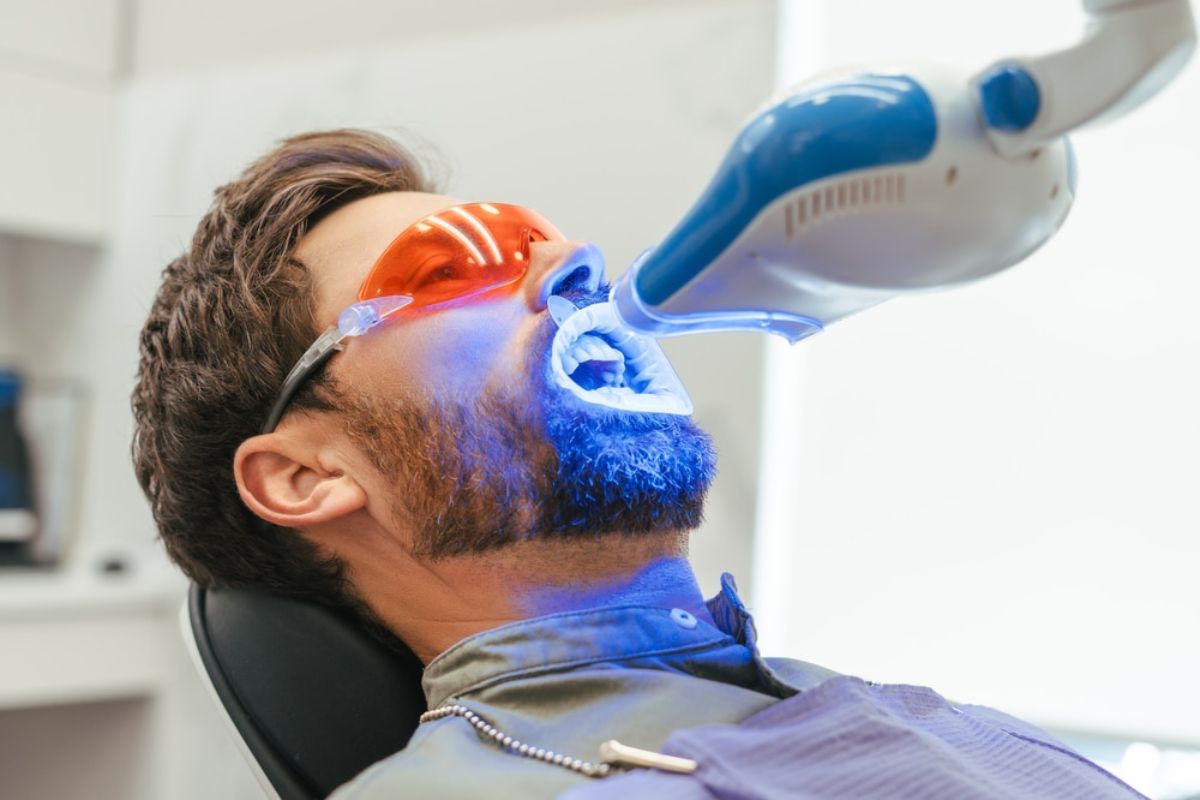
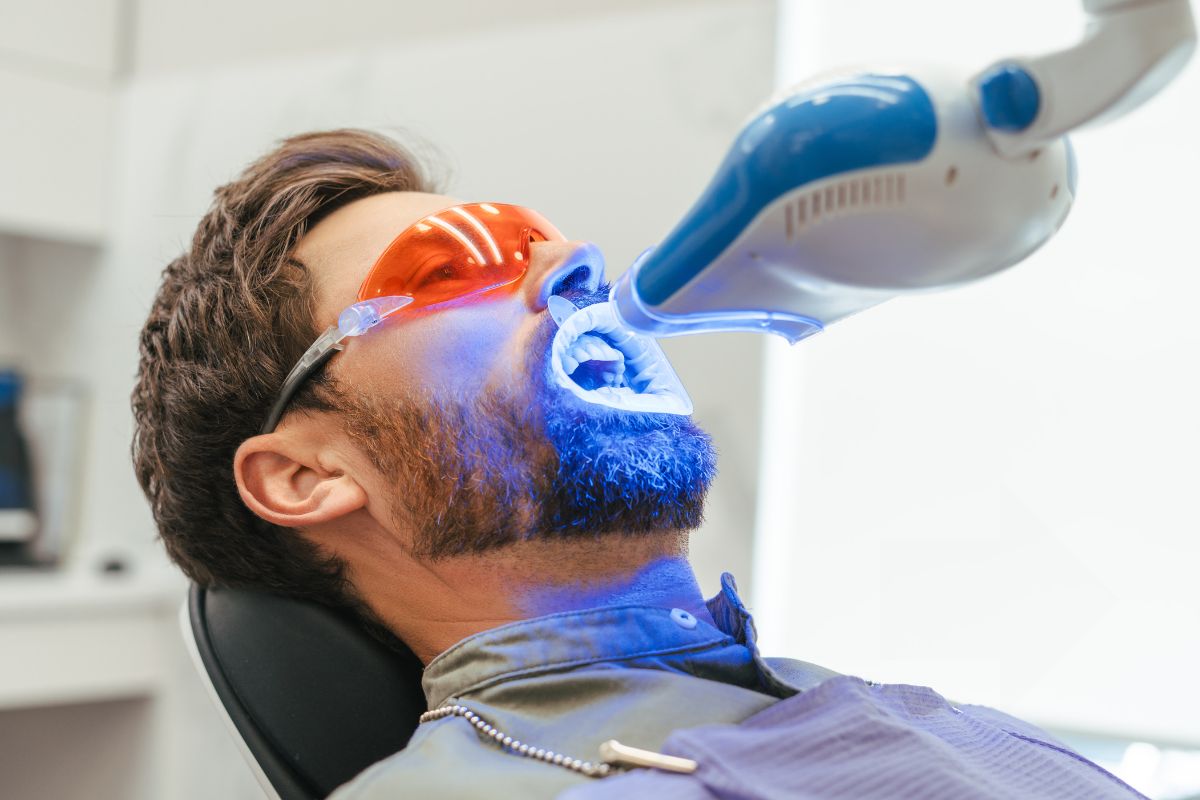
Teeth whitening has become increasingly popular in a world where bright, white smiles are associated with confidence and beauty. From over-the-counter strips to professional treatments at dental clinics, people are eager to enhance their smiles. But an important question often arises: Does teeth whitening damage enamel?
Before undergoing any whitening procedure, it is vital to understand the science behind it and what dental professionals suggest.
How Teeth Whitening Works On Various Oral Conditions
Whitening teeth involves using bleaching agents, usually hydrogen peroxide or carbamide peroxide, to break down stains on the enamel. The enamel is the outermost layer of your teeth on which spots settle, known as extrinsic stains. These agents penetrate the enamel to reach the discolored molecules inside your tooth.
While this process effectively brightens teeth, the concern is, ‘Does teeth whitening damage enamel in the long run?’
People with sensitive teeth, enamel erosion, or gum disease may respond differently to whitening treatments, often experiencing increased sensitivity. That’s why at Covaney & Covaney, we recommend a personalized consultation before beginning teeth whitening in Newport News, ensuring the procedure is both safe and effective for your unique oral health needs.
Consulting a dentist is the best way to determine whether you are making the right choice for your smile. It further helps to set realistic expectations for your smile.
Insights From Dental Experts and Studies
The short answer is no! Teeth whitening does not damage enamel if done correctly and under professional supervision. According to the American Dental Association (ADA), whitening products that are ADA-approved are safe and do not harm the outer layer of teeth.
Moreover, scientific studies confirm this. Both at-home and in-office smile enhancement treatments have shown minimal to no long-term effects on tooth structure when used as directed. The key factors are moderation and proper technique.
However, the clinical approach is regarded as the safest as cosmetic dentists use the chemicals, maintaining the right proportions, and with caution. Home-bought kits are generally strips or gels, which are handy and easy to use. Owing to this, people sometimes overuse them, leading to hypersensitivity and gum irritation. These products have excessively high concentrations of bleach, so it is essential to follow the guidance to minimize these risks.
For those with specific dental concerns and who have had dental work done previously, a dentist can provide personalized advice to safeguard oral health.
What Can Affect Enamel During Tooth Bleaching?
While the teeth whitening process itself is not harmful to enamel or result in damage, there are contributing factors that can impact its effectiveness and safety:
- Acidic Foods and Drinks: Consuming acidic substances immediately before or after treatment can soften enamel.
- Excessive Whitening: Repeated use of the product too frequently can lead to dehydration of the teeth and increased sensitivity.
- Pre-Existing Conditions: Cracks, cavities, or thin enamel can increase your risk of discomfort or damage.
Enamel-Safe Brightening Practices
To maintain both a bright smile and healthy enamel, consider these professionally approved tips:
- Use ADA-approved bleaching products.
- Consult your dentist before starting any bleaching regimen.
- Avoid highly acidic foods before and after treatment.
- Limit sessions to no more than once every six months unless directed.
- Follow up with fluoride treatments if needed.
Plus, adhering to the customized plan instructed after the procedure is essential to keep the results intact longer and without complications.
Get Brighter Smiles With Expert Care At Our Clinic
Achieving a radiant smile does not mean compromising your enamel health. With proper guidance and professional supervision, you can avoid concerns of damage of enamel while teeth whitening and ensure the process remains safe and effective.
At our clinic, Dr. Michael Covaney and Dr. Sharon Cole Covaney treat each patient’s condition with personalized care, harmoniously working to meet smile goals.
For cosmetic treatments, implant therapy, or an emergency, our experienced team takes clinically approved approaches to protect your oral health. Book now for a consultation, or visit our clinic for valuable insights.