Call Us Today : (757) 596-6850

Bone Density and Implant Candidacy: What Gets Evaluated First

When discussing implant candidacy bone density evaluation, it helps to understand that dentists look at much more than a single measurement before recommending treatment. At Covaney & Covaney in Newport News, patients can receive personalized restorative care based on their oral health, jaw structure, and treatment goals.
Many people assume that missing a tooth automatically makes them a candidate for an implant. However, successful treatment requires more than simply placing an artificial tooth into an open space. The dentist must first understand the condition of the jaw, gums, remaining teeth, bite, and surrounding structures.
Bone health plays an important role because an implant needs adequate support from the jaw. However, having less available bone does not automatically mean that treatment is impossible. Depending on the individual situation, additional procedures or alternative treatment options may be considered.
Understanding what dentists evaluate first can help you feel more prepared for an implant consultation.
Why Dental Implant Candidacy Requires a Complete Evaluation
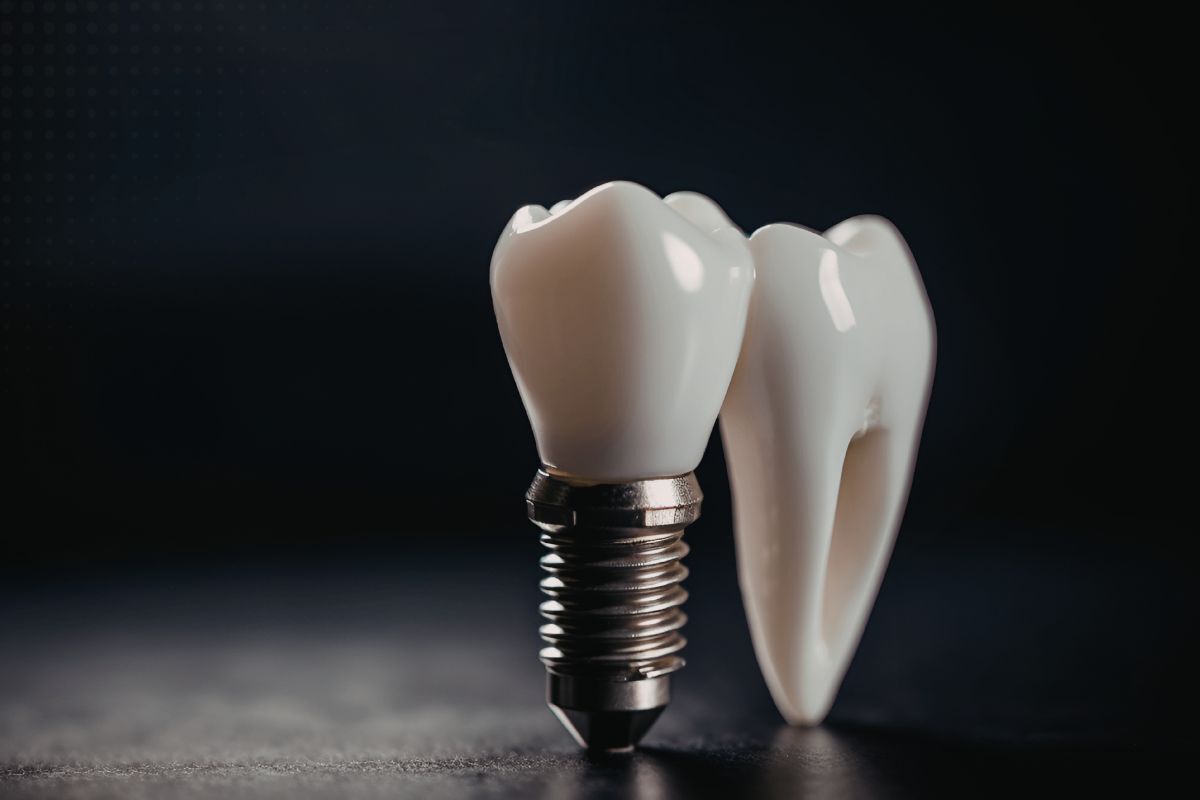
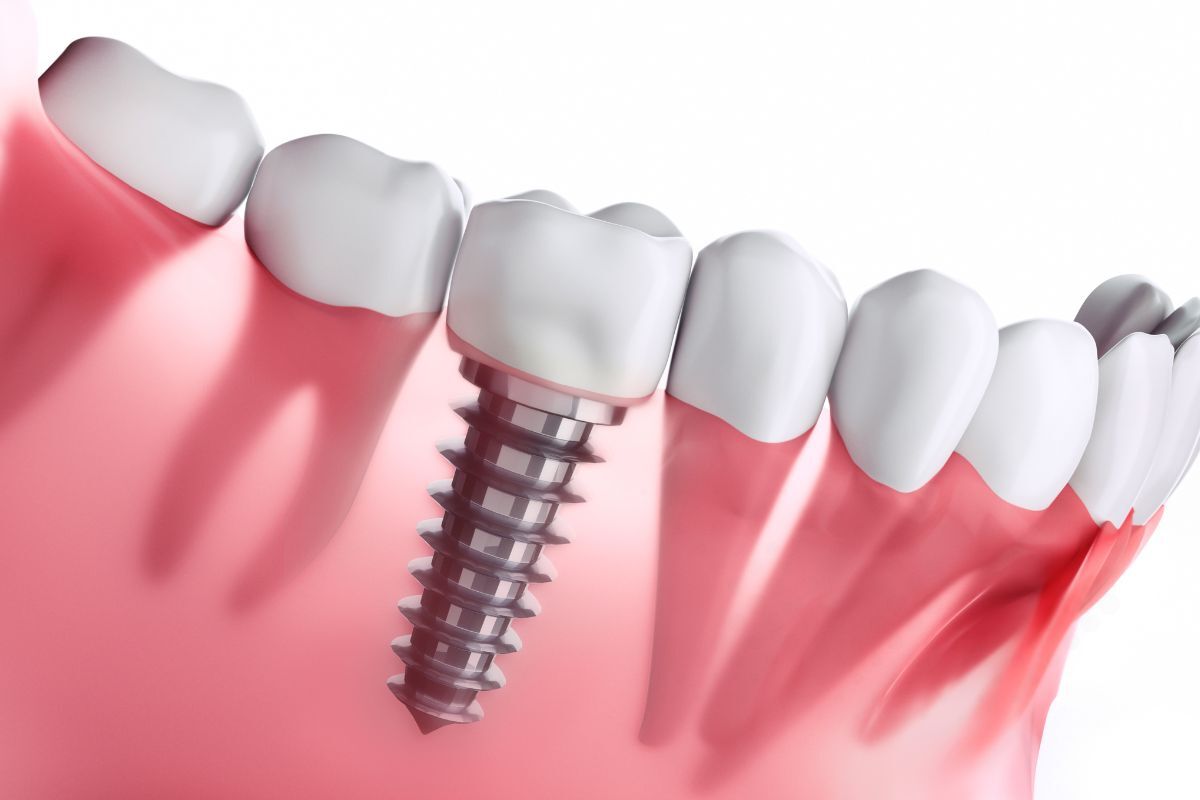
Dental implants act as artificial tooth roots that support replacement teeth. The implant is placed into the jawbone and needs time to heal and integrate with the surrounding bone.
Because every patient’s mouth is different, dentists cannot rely on a single factor when determining candidacy.
A complete evaluation may consider:
- The amount of jawbone available
- The condition of the gums
- The location of the missing tooth or teeth
- The health of nearby teeth
- Bite alignment
- Signs of infection or gum disease
- Overall oral health
- Medical history and other health considerations
- Personal treatment goals
This broader approach helps the dentist determine whether an implant may provide a stable and appropriate solution.
Why One Measurement Cannot Determine Candidacy
Many patients focus only on whether they have “enough bone.” However, implant planning involves more than one measurement.
The quality, shape, and location of available bone can matter, along with the planned position of the implant and the type of restoration it will support.
For this reason, a detailed examination gives the dentist a clearer understanding of the entire situation.
What Gets Evaluated First During an Implant Consultation?
The evaluation usually begins with understanding your current oral health and the reason you are considering tooth replacement.
Your dentist may ask about:
- When you lost the tooth
- How the tooth was lost
- Whether you currently wear a bridge or denture
- Any history of gum disease
- Previous dental treatment
- Problems with chewing or speaking
- Your goals for replacing missing teeth
The dentist can then perform a clinical examination and review diagnostic images.
Examining the Area Where the Tooth Is Missing
The area around the missing tooth can provide important information.
Your dentist may examine:
- The gums
- The shape of the ridge
- Nearby teeth
- Available space
- Bite forces
- Signs of inflammation or infection
This initial examination helps determine what additional information may be needed before developing a treatment plan.
Reviewing X-Rays and Diagnostic Images
Dental images allow the dentist to examine structures that cannot be fully evaluated during a visual examination.
According to Covaney & Covaney’s dental implant information, X-rays and impressions may be used to assess the available bone, gum tissue, and spacing before implant treatment begins.
These images can help the dental team evaluate the jaw and plan treatment more carefully.
How Bone Density Affects Implant Planning
Bone provides support for a dental implant. Therefore, the dentist needs to evaluate whether the jaw has enough healthy support in the planned treatment area.
Bone density refers to how compact or dense the bone is. However, the amount of bone available also matters.
A person may have concerns about one aspect of their jawbone while still having other favorable conditions for treatment. That is why dentists evaluate the entire area rather than making a decision based on one factor alone.
What the Dentist May Look For
During the evaluation, the dentist may consider:
- The height of available jawbone
- The width of the ridge
- The overall quality of the bone
- The location of important nerves or sinus spaces
- The planned position of the implant
- The condition of surrounding tissues
Each of these details can influence treatment planning.
Implant Candidacy Bone Density Evaluation and Personalized Treatment Planning
An implant candidacy bone density evaluation should not focus on a number alone. Instead, it helps the dental team understand whether the available jaw structure can support the planned restoration and whether additional preparation may be needed.
At Covaney & Covaney, patients considering dental implants can receive personalized restorative care based on their individual needs. For patients in Newport News, VA, treatment planning can take into account the condition of the jawbone, gums, remaining teeth, bite, and the goals you have for your smile.
The practice provides dental implants as a fixed option for replacing missing teeth. Implants may also provide support and stability for certain bridges or dentures, depending on the patient’s individual needs.
What If There Is Not Enough Bone for an Implant?
Learning that the jaw may not have enough support in a particular area can feel discouraging. However, this finding does not always end the conversation about implants.
The available treatment options depend on the reason for bone loss, the location of the missing tooth, and the amount of support needed.
Why Bone Loss Can Happen
The jaw can change after tooth loss.
When a natural tooth is no longer present, the bone in that area may gradually change over time. Other factors can also affect the supporting structures.
Possible contributing factors include:
- Tooth loss that occurred years earlier
- Gum disease
- Infection
- Trauma
- Natural changes in the jaw
- Certain medical factors
A dentist can evaluate the specific cause and determine whether treatment may be appropriate.
Additional Procedures May Be Considered
In some situations, the dentist may discuss procedures designed to improve the treatment site before implant placement.
Depending on your needs, the treatment plan may include:
- Bone grafting
- Healing time before implant placement
- Treatment for gum disease
- Management of infection
- Alternative tooth replacement options
Not every patient needs additional treatment. The purpose of the evaluation is to identify what your specific situation requires before moving forward.
Bone Quality vs. the Amount of Available Bone
The amount of bone and the quality of bone are related, but they are not the same thing.
A treatment area needs an appropriate amount of bone for the planned implant. At the same time, the characteristics of that bone can influence treatment planning.
Why Both Factors Matter
Think of the jaw as the foundation for a structure. The dentist needs to understand both the size of the foundation and its ability to provide support.
This evaluation helps determine:
- Whether an implant may be appropriate
- Where the implant can be positioned
- Whether preparation is needed
- What type of restoration may work best
- How treatment should proceed
A personalized assessment provides more useful information than assuming that every patient follows the same implant process.
Gum Health Is Also Evaluated
The gums play an important role in oral health and implant planning.
Healthy gum tissue helps support a stable oral environment. Active gum disease or infection may need attention before implant treatment begins.
Signs Your Dentist May Evaluate
The dental examination may look for:
- Redness
- Swelling
- Bleeding
- Gum recession
- Signs of infection
- Changes around nearby teeth
Addressing active oral health problems can help create a healthier foundation before restorative treatment.
This is another reason why implant candidacy involves more than examining the jawbone alone.
The Condition of Nearby Teeth and Your Bite Matters
A missing tooth can affect the surrounding teeth and bite over time.
Nearby teeth may shift toward an open space. Changes in the bite can also affect how forces are distributed when chewing.
Before recommending an implant, the dentist may evaluate:
- The health of neighboring teeth
- Available space for the replacement tooth
- Bite alignment
- Chewing forces
- Existing crowns, bridges, or restorations
These details help the dentist plan a replacement that works with the rest of your smile.
Planning for Long-Term Function
An implant should not simply fill an empty space.
The final restoration should also support comfortable chewing and work appropriately with the opposing and neighboring teeth.
Careful planning can help the dentist consider both appearance and function before treatment begins.
Your Medical History Can Influence Implant Candidacy
Oral health is important, but your overall health can also affect treatment planning.
During the consultation, your dentist may ask about:
- Current medications
- Previous surgeries
- Health conditions
- Tobacco use
- Healing history
This information helps the dental team understand factors that may influence healing and long-term care.
Be open about your medical history and current medications. Accurate information allows your dentist to provide recommendations based on your individual circumstances.
Why Advanced Planning Matters Before Implant Placement
Dental implant treatment usually involves multiple stages.
According to the information provided by Covaney & Covaney, implant treatment can involve diagnostic records, surgical placement, a healing period for integration with the jaw, and later placement of the final artificial tooth or restoration.
The exact timeline varies based on the patient’s needs and treatment plan.
A Step-by-Step Plan May Include
The process may involve:
- A dental examination
- Diagnostic imaging
- Evaluation of the gums and jaw
- Review of available bone and spacing
- Treatment of existing oral health concerns, if needed
- Implant placement when appropriate
- A healing period
- Placement of the final restoration
Some patients may need additional steps, while others may have a more straightforward treatment plan.
Questions to Ask During Your Implant Consultation
An implant consultation gives you the opportunity to understand your oral health and treatment options.
Consider asking:
- Do I have enough jaw support for an implant?
- Is the bone in the treatment area healthy?
- Do I need additional preparation before treatment?
- Are my gums healthy enough for implant treatment?
- How will my bite affect the treatment plan?
- How long might my treatment take?
- What restoration will the implant support?
- What alternatives are available if an implant is not the right option?
Asking questions can help you make an informed decision and better understand each stage of care.
A Complete Evaluation Creates a Better Starting Point
Dental implants can provide a fixed option for replacing missing teeth, but successful treatment begins with careful planning. The dentist needs to evaluate more than the space left by a missing tooth. The jawbone, gums, bite, nearby teeth, overall oral health, and individual treatment goals can all influence the plan.
Bone density is an important consideration, but it represents only one part of the evaluation. A detailed assessment can help identify whether an implant may be appropriate and whether any preparation is needed before treatment begins.
If you are considering an implant-supported tooth replacement, schedule an appointment at Covaney & Covaney, for a personalized dental implant evaluation and treatment discussion.