Call Us Today : (757) 596-6850

How to Protect Your Teeth When You Have a Busy Schedule

A busy schedule can make it difficult to maintain healthy habits, but you can still protect your teeth without spending hours on your daily routine. Between work, family responsibilities, errands, and personal commitments, oral care often becomes an afterthought. However, small changes to your everyday routine can help prevent cavities, gum problems, and other dental concerns.
At Covaney & Covaney in Newport News, Dr. Michael Covaney and Dr. Sharon Cole Covaney understand the importance of personalized dental care that fits your lifestyle. With a few practical habits, you can maintain a healthy smile even when your calendar stays full. The key is to make oral hygiene a regular part of your day rather than another task you struggle to fit in.
1. Make Brushing a Non-Negotiable Daily Habit
Brushing twice a day is one of the simplest ways to maintain good oral health. Even when you have an early meeting or arrive home late, try to keep your morning and evening routines consistent.
Plaque, a sticky film of bacteria, builds up on tooth surfaces throughout the day. If you do not remove it regularly, it can contribute to cavities, gum inflammation, and bad breath.
How to Brush Effectively When Time Is Limited
You do not need a complicated routine to clean your mouth properly. Instead, focus on these essential steps:
- Brush twice daily for two minutes each time.
- Use a soft-bristled toothbrush and fluoride toothpaste.
- Clean the front, back, and chewing surfaces of every tooth.
- Gently brush along the gumline.
- Spit out excess toothpaste after brushing instead of rinsing immediately with water.
An electric toothbrush with a built-in timer can also help you maintain the recommended brushing time.
Most importantly, avoid rushing through the process. Two focused minutes in the morning and before bed can make a meaningful difference in your long-term oral health.
2. Keep Essential Oral Care Supplies Within Reach
One reason busy people skip oral hygiene is simple: they do not have the necessary supplies when they need them. Keeping a small dental care kit nearby makes it easier to maintain good habits at work, while traveling, or between appointments.
What Should Your Dental Care Kit Include?
Prepare a compact kit containing:
- A travel-sized toothbrush.
- Fluoride toothpaste.
- Dental floss or floss picks.
- Sugar-free gum for situations when brushing is temporarily unavailable.
- A small container for storing your supplies hygienically.
Keep one kit in your work bag and another at home or in your travel luggage. This way, you will not have to depend entirely on your home bathroom to complete your oral care routine.
If you are looking for a Newport News dentist at Covaney & Covaney, you can discuss practical preventive care options with Dr. Michael Covaney and Dr. Sharon Cole Covaney. Their practice focuses on comprehensive, personalized dental care, helping patients understand how everyday habits and professional checkups work together to support lasting oral health.
Having supplies within reach also reduces the temptation to skip brushing after lunch or postpone flossing until another day.
3. Choose Snacks That Support Your Smile
When your schedule gets hectic, grabbing a quick snack from a vending machine or drive-through may feel convenient. However, frequent consumption of sugary foods and drinks can increase your risk of tooth decay.
Bacteria in dental plaque use sugars from food and drinks to produce acids. These acids attack enamel, the protective outer layer of your teeth. Frequent exposure gives enamel less time to recover between acid attacks.
Smart Snack Choices for Busy Days
Instead of relying on sweets and processed snacks, consider keeping these options available:
- Fresh fruits: Apples and pears provide fiber and make convenient snacks.
- Vegetables: Carrots and celery offer a crunchy alternative to sugary treats.
- Plain yogurt: Choose varieties with little or no added sugar.
- Nuts: Almonds and walnuts provide a convenient snack without added sugar.
- Cheese: Cheese offers calcium and can stimulate saliva production.
- Water: Water helps rinse away food particles and supports normal saliva production.
You do not have to eliminate every treat from your diet. Instead, pay attention to how often you consume sugary foods and drinks. Eating sweets with a meal rather than snacking on them throughout the day can help reduce repeated acid exposure.
4. Drink Water Instead of Sugary Beverages
Coffee, soda, energy drinks, and sweetened tea often become part of a busy workday. Although these beverages may provide a quick boost or moment of comfort, frequent exposure to sugar and acids can harm enamel.
Water makes a better everyday choice. It helps wash away food debris, supports saliva production, and keeps your mouth hydrated.
Simple Ways to Drink More Water
Try these easy strategies:
- Carry a reusable water bottle to work.
- Keep water beside your desk during meetings.
- Drink water after meals and snacks.
- Choose plain water instead of sugary sports or energy drinks.
- Limit sipping acidic beverages over long periods.
If you enjoy coffee, you can still include it in your routine. Consider limiting added sugar and drinking water alongside it. Also, avoid brushing immediately after consuming acidic drinks because softened enamel can be more vulnerable to abrasion. Rinse with water and wait about 30 to 60 minutes before brushing.
These small adjustments help you enjoy your usual beverages while reducing unnecessary risks to your smile.
5. Make Flossing Part of Your Evening Routine
Brushing alone cannot reach every area between your teeth. Food particles and plaque can collect in these spaces, increasing the risk of cavities and gum disease.
Flossing once a day helps clean these hard-to-reach areas. Although it may seem like an extra task when you are tired, it takes only a few minutes with practice.
How to Make Flossing Easier
Use these strategies to build a consistent habit:
- Keep floss beside your toothbrush as a visual reminder.
- Floss before brushing if that order makes the routine easier to remember.
- Use a gentle back-and-forth motion to guide the floss between teeth.
- Curve the floss around each tooth and clean beneath the gumline carefully.
- Consider floss picks or an interdental cleaner if traditional floss feels difficult to use.
Choose a method that suits your needs and helps you remain consistent. If your gums bleed regularly or feel swollen, arrange a dental evaluation rather than ignoring the symptoms.
6. Avoid Using Your Teeth as Tools
When you are in a hurry, using your teeth to open packaging, tear tape, or crack hard objects may seem convenient. However, these habits can cause chips, cracks, and other damage.
Your teeth are designed for chewing food, not handling everyday objects.
Protect Your Smile From Unnecessary Damage
Make a conscious effort to avoid these habits:
- Opening plastic packages with your teeth.
- Biting fingernails while concentrating.
- Chewing ice or very hard objects.
- Holding pens, keys, or other objects between your teeth.
- Grinding or clenching your teeth during stressful moments.
If you frequently clench your jaw during work or wake up with jaw soreness, talk with your dentist. A professional evaluation can help identify possible grinding and determine whether a custom night guard or another treatment may help.
7. Schedule Dental Visits Before Your Calendar Fills Up
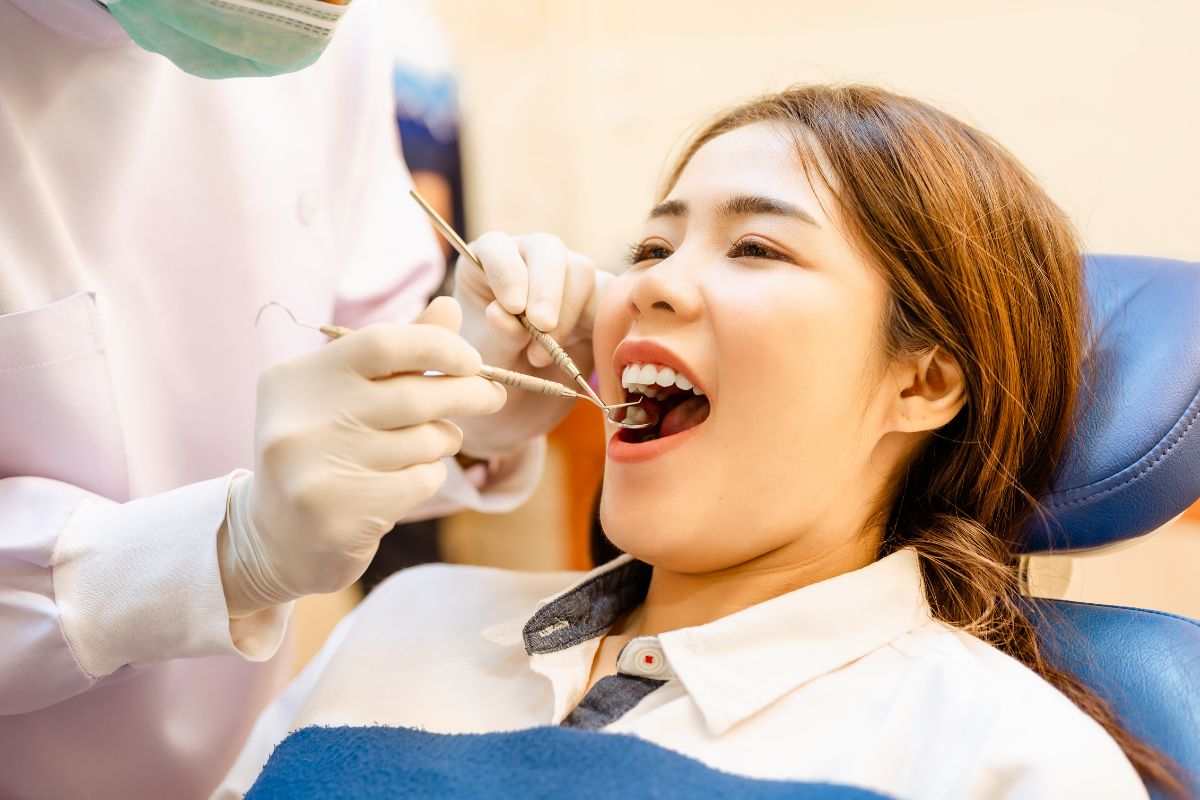
Daily oral hygiene is essential, but home care cannot replace professional dental examinations and cleanings. Regular visits allow your dentist to check for early signs of decay, gum disease, enamel damage, and other concerns that may not cause noticeable symptoms.
Many patients benefit from checkups every six months. However, your ideal schedule depends on your oral health, medical history, and individual risk factors.
Make Appointments Easier to Manage
Instead of waiting until your schedule becomes less demanding, try these approaches:
- Book your next appointment before leaving the dental office.
- Add the visit to your digital calendar immediately.
- Set a reminder several days before the appointment.
- Ask about available appointment times that fit your work schedule.
- Combine preventive visits with other planned errands when practical.
Planning ahead can reduce last-minute stress and help you stay consistent with preventive care.
Regular checkups may also help your dentist identify smaller concerns before they develop into problems that require more involved treatment. However, contact a dental professional sooner if you notice persistent pain, swelling, bleeding gums, or unusual sensitivity.
8. Create a Simple Routine You Can Maintain
The most effective oral care routine is one you can follow consistently. You do not need to change every habit at once. Start with a few manageable steps and gradually build a routine that fits your lifestyle.
A Practical Daily Oral Care Schedule
Morning
- Brush for two minutes with fluoride toothpaste.
- Drink water with breakfast.
- Pack your dental care kit if you expect a long day away from home.
During the day
- Choose water over sugary drinks whenever possible.
- Eat balanced meals and limit frequent sugary snacks.
- Brush after lunch when practical, or rinse with water if brushing is not available.
Evening
- Floss between your teeth.
- Brush for two minutes before bed.
- Avoid going to sleep without completing your oral hygiene routine.
You can also connect oral care with habits you already follow. For example, brush immediately after your morning shower or floss before applying your nighttime skin care products.
Linking a new habit to an established one makes it easier to remember and reduces the need to rely on motivation alone.
Protect Your Smile Even on Your Busiest Days
A demanding schedule does not have to come at the expense of your oral health. By brushing twice daily, flossing consistently, choosing balanced snacks, drinking more water, and planning regular dental visits, you can protect your teeth without making your day feel more complicated.
Remember that consistency matters more than perfection. Even small improvements to your daily habits can support a healthier smile over time. When you combine good home care with professional guidance, you give yourself a better chance of avoiding preventable dental problems.
If you live in Newport News, VA, and want personalized guidance on maintaining your oral health, schedule an appointment with Covaney & Covaney. Dr. Michael Covaney and Dr. Sharon Cole Covaney can help you develop a preventive dental care plan that suits your needs and supports your long-term smile.