Call Us Today : (757) 596-6850

Understanding Oral Cancer: Risks, Symptoms, and Prevention
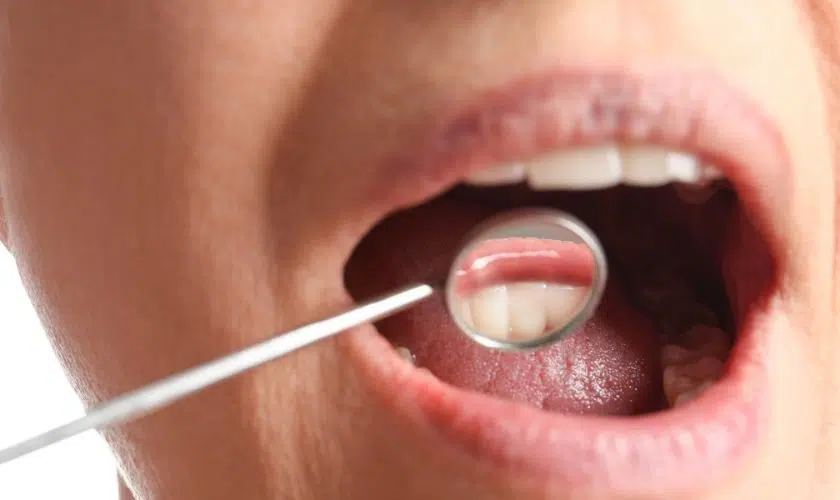
Oral cancer refers to any cancerous growth that occurs in the mouth, including the lips, tongue, gums, cheeks, and throat. It can develop in various tissues within the oral cavity and may manifest as a sore, lump, or abnormal growth. Oral cancer can be classified into different types, including squamous cell carcinoma, which accounts for the majority of cases.
Risk Factors for Oral Cancer
Several factors can increase your risk of developing oral cancer, including:
Tobacco Use: Smoking cigarettes, cigars, or pipes, as well as chewing tobacco or using smokeless tobacco products, significantly increases the risk of oral cancer.
Excessive Alcohol Consumption: Heavy alcohol consumption, especially when combined with tobacco use, poses a higher risk of oral cancer.
HPV Infection: Infection with certain strains of the human papillomavirus (HPV), particularly HPV-16 and HPV-18, is associated with an increased risk of oral cancer.
Sun Exposure: Prolonged exposure to sunlight without protection can increase the risk of lip cancer.
Poor Oral Hygiene: Neglecting oral hygiene practices, such as regular brushing, flossing, and dental check-ups, can contribute to the development of oral cancer.
At Covaney & Covaney, we believe early detection can make a life-changing difference. As a trusted Newport Beach dentist for your smile, our experienced dental team is committed to thorough oral cancer screenings and personalized preventive care. Regular visits allow us to identify concerns early and help protect not just your oral health, but your overall well-being and confidence.
If you’re looking for a caring dentist to care for your smile, schedule an appointment with Covaney & Covaney today and take a proactive step toward lasting oral health.
Symptoms of Oral Cancer
Recognizing the signs and symptoms of oral cancer is crucial for early detection and treatment. Common symptoms may include:
- Persistent mouth sores or ulcers that do not heal
- Red or white patches on the tongue, gums, or lining of the mouth
- Swelling or lumps in the mouth or neck
- Difficulty chewing, swallowing, or speaking
- Persistent sore throat or hoarseness
- Numbness or pain in the mouth or lips
- Changes in the way dentures or other oral appliances fit
- It is essential to consult a dentist or healthcare provider if any of these symptoms persist for more than two weeks.
Prevention of Oral Cancer
While certain risk factors for oral cancer, such as age and genetic predisposition, cannot be controlled, there are steps individuals can take to reduce their risk and promote oral health:
Avoid Tobacco and Alcohol: Quitting smoking and limiting alcohol consumption can significantly reduce the risk of oral cancer.
Practice Sun Safety: Wear lip balm with SPF protection and use a wide-brimmed hat to shield the lips from sun exposure.
Maintain Oral Hygiene: Brushing teeth twice a day, flossing daily, and attending regular dental check-ups can help prevent oral cancer and detect any abnormalities early.
Get Vaccinated: Vaccination against HPV can lower the risk of oral cancer associated with HPV infection.
Eat a Healthy Diet: Consuming a balanced diet rich in fruits and vegetables may help reduce the risk of oral cancer.
Understanding the risks, symptoms, and preventive measures associated with oral cancer is essential for promoting early detection and improving outcomes for individuals affected by this disease. By raising awareness and adopting healthy lifestyle habits, we can work together to combat oral cancer and protect the oral health of our communities—because early detection truly saves lives. Schedule a preventive oral cancer screening at Covaney & Covaney to safeguard your health and gain peace of mind.