Call Us Today : (757) 596-6850

Can Veneers Fix One Tooth That Looks Different From the Others?

When one front tooth looks noticeably different from the others, it can draw attention every time you smile. The difference may involve color, size, shape, length, or a previous chip or injury. A single tooth veneer can sometimes improve the appearance of that tooth, but successful treatment involves more than simply placing a veneer over it.
At Covaney & Covaney, cosmetic treatment is planned around the patient’s individual smile, oral health, and goals. Veneers are one of the cosmetic options available for improving the appearance of teeth, but the right approach depends on why the tooth looks different and how it relates to the surrounding teeth.
A Single Veneer Can Improve the Appearance of One Different-Looking Tooth
A veneer is a custom-made restoration designed to cover the visible front surface of a tooth. It can alter the apparent color, shape, size, and overall appearance of the treated tooth.
Although veneers are often discussed as part of a broader smile makeover, a single veneer may be considered when one tooth is noticeably different from the surrounding teeth.
Color Differences Can Make One Tooth Stand Out
One tooth may appear darker, yellower, grayer, or otherwise different from the teeth beside it.
This can happen because of trauma, changes within the tooth, previous dental treatment, or other factors. When the difference cannot be adequately addressed with whitening, a veneer may be considered depending on the condition of the tooth.
Shape and Size Differences Can Affect Smile Balance
A front tooth that is shorter, narrower, wider, or differently shaped can make a smile appear uneven.
A custom veneer may be designed to change the visible proportions of the tooth. The goal is to create an appearance that works naturally with the surrounding teeth rather than making the treated tooth look noticeably artificial.
The Reason One Tooth Looks Different Should Be Identified First
A cosmetic concern can sometimes have an underlying dental cause.
Before planning a single-tooth veneer, the dentist needs to evaluate the tooth and surrounding tissues. This helps determine whether the concern is primarily cosmetic or whether there is a health or structural issue that needs attention.
A Darker Tooth May Have an Underlying Cause
If one tooth is significantly darker than the others, the dentist may want to determine why.
Trauma or internal changes can sometimes cause a tooth to become discolored. In these situations, simply covering the tooth without evaluating the cause may not be the appropriate first step.
A Chipped Tooth May Need a Different Solution
A small chip does not automatically require a veneer.
Composite bonding may be an option for some minor chips. It can restore the visible shape of a tooth using tooth-colored material.
Covaney & Covaney offers composite restorations as part of its cosmetic and restorative treatment options.
The best approach depends on the extent of the damage, the condition of the tooth, your bite, and your cosmetic goals.
Veneers Can Change the Visible Color and Shape of One Tooth
When a veneer is appropriate, it can address more than one cosmetic concern.
For example, one front tooth may be:
- Darker than neighboring teeth
- Slightly shorter
- Misshapen
- Chipped
- Uneven in appearance
- Different in size
- Affected by an old cosmetic concern
A custom veneer can be designed around the appearance of the surrounding teeth.
Covaney & Covaney’s existing veneer guidance explains that veneers can be used to address concerns including discoloration, chips, cracks, gaps, and changes in tooth appearance.
Matching One Veneer to Natural Teeth Requires Careful Planning
A single veneer can be more challenging to match than treating several teeth because the natural teeth remain visible around it.
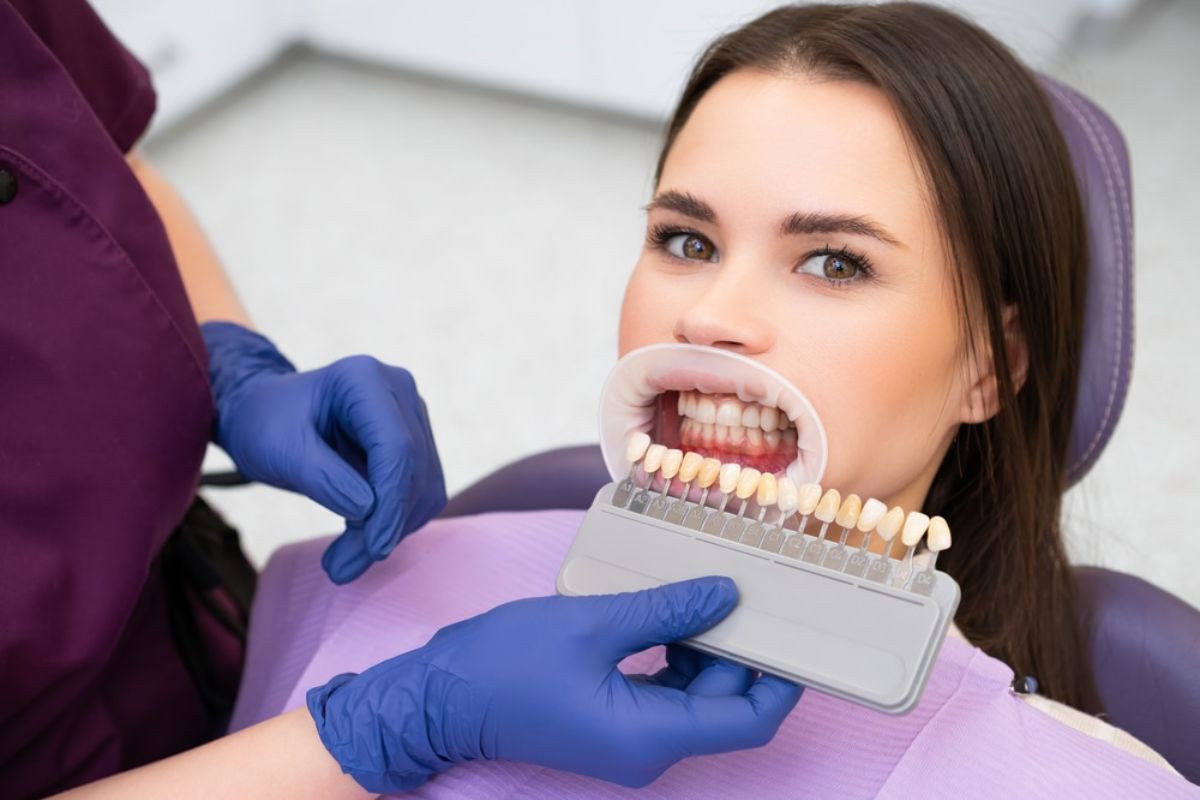
Shade Selection Influences the Final Result
The veneer needs to complement the color of the surrounding teeth.
If the neighboring teeth have significant staining, your dentist may discuss whether whitening should be performed before the veneer is created. This can help establish the shade that the veneer should complement.
Shape and Proportion Affect the Appearance
Color is only one part of a natural-looking result.
The dentist also considers:
- Tooth width
- Tooth length
- Contour
- Neighboring tooth shape
- Smile symmetry
- Facial proportions
- The way the tooth appears when you smile
A veneer that matches the color but has a noticeably different shape may still stand out.
Natural Tooth Characteristics Matter
Natural teeth can have subtle variations in translucency and surface appearance.
Custom treatment planning takes these characteristics into account so the veneer complements the surrounding smile rather than appearing visually separate.
Whitening May Be Considered Before a Single Veneer
If the concern is primarily that one tooth appears darker than the others, whitening may be discussed before placing a veneer.
This is because natural teeth can respond to whitening, while a completed veneer is designed to maintain its selected shade.
Treatment Sequencing Matters
Your dentist can determine whether whitening should happen before cosmetic restoration.
Planning the sequence carefully can help prevent a situation where the surrounding natural teeth become lighter after the veneer has already been placed.
Composite Bonding May Be Appropriate for Some Minor Imperfections
Not every different-looking tooth requires a veneer.
Composite bonding can sometimes improve minor changes in shape, small chips, or other limited cosmetic concerns.
Bonding and Veneers Serve Different Purposes
Bonding involves applying tooth-colored composite material directly to the tooth and shaping it. Veneers are custom-made restorations placed over the visible front surface.
Your dentist may compare these options based on the condition of your tooth, the amount of change desired, durability considerations, and your overall smile goals.
The goal is to select a treatment that addresses the specific concern rather than choosing a procedure simply because it is popular.
Healthy Teeth and Gums Provide the Foundation for Veneer Treatment
Cosmetic treatment should begin with an evaluation of oral health.
If the tooth has decay, infection, significant structural damage, or the surrounding gums have active disease, those concerns may need to be addressed before cosmetic treatment.
Tooth Structure Matters
Veneer planning also considers the amount and condition of natural tooth structure.
Existing restorations, enamel condition, previous dental work, and other factors can influence whether a veneer is appropriate.
Covaney & Covaney’s veneer guidance notes that candidacy depends on individual circumstances and that a dental evaluation is important before treatment.
Your Bite Matters When Planning a Single-Tooth Veneer
A veneer does not exist separately from the rest of your mouth.
Your dentist needs to consider how your upper and lower teeth meet and whether the treated tooth experiences significant biting or grinding forces.
Bite Evaluation Helps With Treatment Planning
If a tooth receives a cosmetic restoration without considering the patient’s bite, excessive pressure could affect the restoration.
Patients who clench or grind their teeth may also need additional guidance to protect their teeth and dental work.
A personalized evaluation helps your dentist account for these factors before treatment begins.
Proper Veneer Care Helps Protect the Restoration
After receiving a veneer, the treated tooth still requires normal dental care.
Daily Care Remains Important
Continue to:
- Brush twice daily with fluoride toothpaste.
- Clean between your teeth every day.
- Attend regular dental examinations and cleanings.
- Avoid biting extremely hard objects.
- Do not use your teeth to open packages.
- Follow any personalized recommendations from your dentist.
Veneers can provide a long-lasting cosmetic improvement, but they still require good oral hygiene and routine dental care. Covaney & Covaney also emphasizes regular care and appropriate maintenance for patients with veneers.
A Single Different-Looking Tooth Does Not Always Need the Same Treatment
One tooth that looks different can have several possible causes, which means treatment should be based on an individual evaluation.
A veneer may be appropriate for a tooth that has a persistent cosmetic difference in color, shape, size, or appearance. However, whitening, bonding, restorative treatment, or another approach may be more suitable in other situations.
The important step is identifying the concern first and then choosing the treatment that addresses it.
A Personalized Plan Can Help One Tooth Blend With Your Smile
A single tooth can stand out because of discoloration, shape, size, damage, or previous dental treatment. A veneer may be able to improve the visible appearance of that tooth while complementing the natural teeth around it.
Successful treatment requires careful attention to shade, shape, proportion, tooth structure, oral health, and bite. A dentist can also determine whether bonding, whitening, or another treatment would provide a better solution.
If one tooth looks noticeably different from the rest of your smile, schedule an appointment with Covaney & Covaney at 10 Sweetbriar Drive in Newport News, Virginia 23606, to discuss your options for a personalized cosmetic treatment plan.