Call Us Today : (757) 596-6850

Why Consistent Dental Care Matters for Long-Term Smile Protection
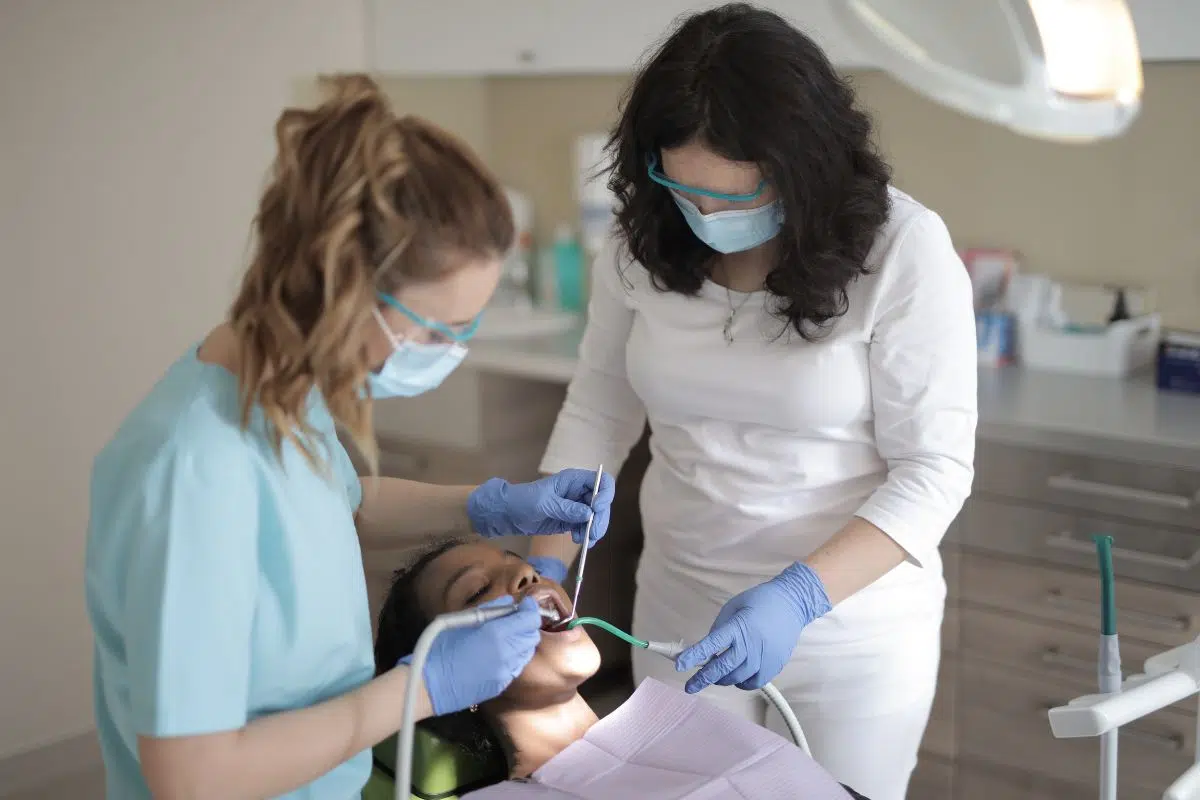
Most people only think about dental care when something hurts. A sharp pain in a back tooth, a sudden sensitivity to cold drinks, or a broken filling, that’s usually the moment they finally pick up the phone and book an appointment. But here’s the truth: waiting for pain to act is one of the biggest mistakes you can make for your oral health. At Covaney & Covaney, Drs. Michael Covaney and Sharon Cole Covaney see this pattern every day, and they know firsthand that a consistent approach to dental care makes all the difference between a smile that lasts a lifetime and one that requires constant, costly repairs.
This post breaks down exactly why staying consistent with your dental health matters, what happens when you skip routine visits, and how small daily habits protect you far more than any emergency treatment ever could.
The Real Cost of Skipping Dental Appointments
Many people skip dental checkups for simple reasons, cost, fear, busy schedules, or the assumption that things are “fine.” Unfortunately, oral health problems rarely announce themselves early. Tooth decay, gum disease, and even oral cancer can develop silently for months before causing noticeable symptoms.
Consider what consistent checkups actually catch:
- Plaque and tartar buildup that regular brushing cannot remove on its own
- Early-stage cavities that only need a small filling versus a root canal later
- Gum inflammation before it progresses into periodontal disease
- Teeth grinding (bruxism) that quietly wears down enamel overnight
- Misalignment issues that affect your bite and jaw health over time
Each of these conditions is far easier, and far cheaper, to treat when caught early. A routine cleaning costs a fraction of what a crown, implant, or gum surgery does. Consistent visits are not just a health habit; they are a financial investment in your future self.
How Daily Habits Build the Foundation of a Healthy Smile
Right after you schedule your next appointment with an experienced dentist at Covaney & Covaney, the most powerful thing you can do for your smile happens at home, twice a day, for two minutes each time.
Your daily dental care routine carries more weight than most people realize. Here is what the evidence-backed routine looks like:
Brushing: More Than Just Going Through the Motions
Brush for a full two minutes, twice daily, using a soft-bristled toothbrush and fluoride toothpaste. Many people rush through this step, hitting only the front teeth and calling it done. The back molars, the gum line, and the inner surfaces of teeth collect the most plaque and need equal attention.
Quick tips for better brushing:
- Hold the brush at a 45-degree angle to your gum line
- Use gentle, circular strokes rather than aggressive back-and-forth scrubbing
- Replace your toothbrush every three to four months, or sooner if bristles fray
- Do not rinse with water right after brushing, let the fluoride sit on your enamel
Flossing: The Step Everyone Skips (But Shouldn’t)
Flossing reaches the 40% of tooth surfaces that a toothbrush simply cannot clean. Interdental spaces are a prime breeding ground for bacteria, and skipping floss means you are leaving nearly half of each tooth’s surface unprotected every single day.
If traditional floss feels difficult, try:
- Floss picks for easier handling
- Water flossers for people with braces, bridges, or sensitive gums
- Interdental brushes for larger gaps between teeth
Diet and What You Drink
Sugar is the primary fuel for the bacteria that cause tooth decay. Every time you consume sugary or acidic food or drink, the bacteria in your mouth produce acids that attack your enamel for up to 30 minutes afterward. Frequent snacking means those acid attacks never fully stop.
Protective dietary habits include:
- Drinking water (especially fluoridated tap water) throughout the day
- Limiting soda, sports drinks, and fruit juices to mealtimes
- Eating crunchy vegetables like carrots and celery, which naturally scrub teeth
- Ending meals with cheese or dairy, which helps neutralize mouth acids
What Happens to Your Teeth Without Consistent Care
Skipping dental care does not mean nothing changes, it means changes happen without your knowledge. Here is a straightforward progression of what develops when preventive care is neglected:
- Plaque forms within hours of brushing if not removed thoroughly
- Plaque hardens into tartar within 24–72 hours, and only professional tools can remove tartar
- Tartar irritates gums, leading to gingivitis (early gum disease), which causes redness, swelling, and bleeding
- Untreated gingivitis advances to periodontitis, which destroys the bone and tissue holding your teeth in place
- Tooth loss becomes a real possibility, and bone loss in the jaw follows shortly after
Beyond gum disease, neglected teeth accumulate decay that spreads deeper into the tooth structure. What starts as a small cavity that needs a simple filling can turn into decay that reaches the nerve, requiring a root canal. If left further, the tooth may need extraction entirely.
The message is clear: each stage of neglect carries a steeper price, in time, money, discomfort, and permanent damage.
Cosmetic and Restorative Benefits of Staying Consistent
Consistent dental care does not only prevent problems, it also actively improves how your smile looks and functions. At Covaney & Covaney, comprehensive services range from routine cleanings and preventive care to cosmetic dentistry, restorative procedures, and periodontics, all delivered by a team dedicated to making every visit comfortable.
Regular professional cleanings remove surface stains caused by coffee, tea, and food, keeping your teeth noticeably brighter between whitening treatments. Consistent monitoring also means your dentist catches bite issues, worn restorations, or alignment shifts before they require major correction. Additionally, staying consistent means:
- Less dental anxiety over time — when visits are routine, they stay simple and familiar
- A stronger relationship with your dental team, which leads to more personalized care
- Fewer dental emergencies, since most urgent issues begin as small, detectable problems
- Greater confidence in your smile, which has real ripple effects on social and professional life
Dental Care at Every Stage of Life
Oral health needs change as you grow. What works for a child, a teenager, an adult, and a senior differs in meaningful ways, and consistent dental care adapts with you.
Children and teens: Early visits establish healthy habits, allow monitoring of tooth development, and address orthodontic needs before they become complex. Sealants and fluoride treatments during childhood provide powerful protective benefits during the cavity-prone years.
Adults (20s–50s): This is the period when many people drift away from consistent care due to busy lives. Yet these decades are also when gum disease most commonly takes hold, when wisdom teeth may cause problems, and when restorations from childhood begin to age.
Seniors (60+): Dry mouth from medications, receding gums, and increased risk for oral cancer make regular checkups especially important. Dental care in later years directly connects to overall systemic health, research links gum disease to heart disease, diabetes, and cognitive decline.
No matter where you are in life, your mouth reflects and influences your whole body’s health.
Simple Habits That Make a Big Difference
You do not need a complicated routine to protect your smile. Start with these straightforward, evidence-backed habits:
- Visit your dentist at least twice a year for professional cleanings and checkups
- Brush twice daily for two full minutes with fluoride toothpaste
- Floss once a day — evening is best, before bed
- Stay hydrated with water and reduce sugary drink consumption
- Wear a mouthguard if you grind your teeth at night or play contact sports
- Quit smoking or tobacco use, which dramatically increases risk for gum disease and oral cancer
- Ask about sealants and fluoride treatments if you or your child are cavity-prone
These are not complicated changes. They are consistent ones, and consistency is exactly what your smile needs.
Your Smile Deserves Consistent Attention
Your teeth do far more than help you chew. They shape how you speak, how you feel about your appearance, and how your overall health holds up over decades. Consistent dental care is not about vanity or fear, it is about understanding that your mouth is a window into your whole body’s health, and that small, regular attention prevents the big, painful, expensive problems down the road.
At Covaney & Covaney, Drs. Michael and Sharon Cole Covaney and their dedicated team have spent years helping patients in Newport News, Virginia, protect and restore their smiles with personalized, compassionate care. Whether you need a routine cleaning, cosmetic treatment, emergency care, or a complete smile restoration, they are ready to meet you where you are.
Ready to take the next step toward a healthier smile? Visit our dental office or schedule your appointment with Covaney & Covaney today. Your long-term smile protection starts with one consistent decision, and that decision starts right now.


