Call Us Today : (757) 596-6850

Teeth Whitening for Sensitive Teeth: Tips and Tricks
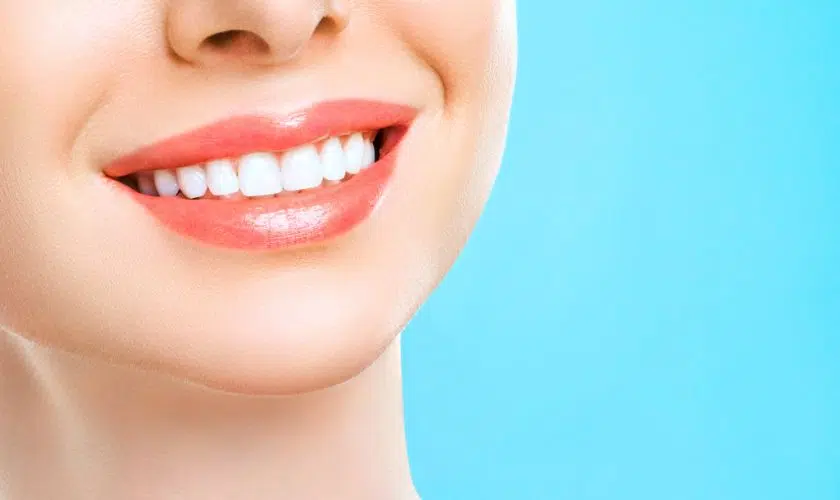
A bright, radiant smile is often seen as a sign of good health and confidence. Many of us aspire to have pearly white teeth, but for those with sensitive teeth, the idea of teeth whitening can be daunting. The good news is that you can achieve a whiter smile even if you have sensitive teeth. In this blog post, we’ll explore some tips and tricks for teeth whitening that are gentle on sensitive teeth.
Understanding Sensitive Teeth
Before diving into teeth whitening tips, let’s briefly understand what causes sensitive teeth. Tooth sensitivity can be caused by various factors, including:
Thin Tooth Enamel:
Enamel is the protective outer layer of your teeth. If it becomes thin or eroded, the underlying dentin is exposed, leading to sensitivity.
Gum Recession:
When your gums recede, the tooth’s sensitive root surface may be exposed, making your teeth more sensitive to temperature and whitening agents.
Tooth Decay:
Cavities or dental decay can also lead to sensitivity, especially if they’re close to the tooth’s nerve.
Cracked Teeth:
Cracks in your teeth can expose the inner layers to stimuli, causing sensitivity.
Harsh Whitening Agents:
Some teeth whitening products, especially those with high concentrations of bleaching agents like hydrogen peroxide, can exacerbate tooth sensitivity.
Now that we understand the causes, let’s explore some tips and tricks for teeth whitening when you have sensitive teeth.
Tip 1: Consult a Dentist
Before embarking on any teeth whitening journey, it’s crucial to consult your dentist, especially if you have sensitive teeth. They can assess your oral health and recommend suitable whitening options. Dentists may also treat any underlying dental issues that could be causing sensitivity.
Tip 2: Use a Sensitive Toothpaste
Switching to a toothpaste formulated for sensitive teeth is a good starting point. These toothpaste brands often contain ingredients like potassium nitrate, which help reduce sensitivity by blocking nerve signals in your teeth. Use it regularly to build up its effectiveness.
Tip 3: Opt for Gentle Whitening Products
Not all teeth whitening products are created equal. When you have sensitive teeth, it’s best to choose products that are specifically designed for sensitive individuals. Look for tooth whitening products with lower concentrations of bleaching agents. These products may take longer to show results, but they are less likely to cause discomfort.
Tip 4: Avoid Over-the-Counter Whitening Kits
Over-the-counter whitening kits can be convenient, but they often contain stronger bleaching agents that may be harsh on sensitive teeth. It’s advisable to consult your dentist or use dentist-prescribed whitening trays, which are custom-fitted and can be gentler on your teeth.
Tip 5: Oil Pulling
Oil pulling is an ancient technique that involves swishing oil (typically coconut or sesame oil) in your mouth for 15-20 minutes. Some people claim that oil pulling can help remove surface stains from teeth. While scientific evidence is limited, it is a gentle and natural approach to oral care that may be worth trying.
Tip 6: Baking Soda and Hydrogen Peroxide
A homemade remedy for teeth whitening that’s often considered gentler is a paste made from baking soda and hydrogen peroxide. Mix a small amount of baking soda with hydrogen peroxide to form a paste, then apply it to your teeth using a toothbrush. Be cautious not to use this method too frequently, as excessive use can damage your enamel.
Tip 7: Be Mindful of Your Diet
What you eat and drink can impact the color of your teeth. Avoid or limit foods and beverages that can stain, such as coffee, tea, red wine, and dark berries. If you consume them, try to brush your teeth shortly afterward or rinse your mouth with water.
Tip 8: Maintain Good Oral Hygiene
Proper oral hygiene is crucial for both overall dental health and maintaining a white smile. Brush your teeth at least twice a day with a soft-bristle toothbrush and fluoride toothpaste. Floss daily to remove plaque and prevent gum disease, which can exacerbate sensitivity.
Tip 9: Use a Straw
When consuming beverages that can stain your teeth, such as soda or fruit juices, consider using a straw. This can help minimize contact between the staining liquid and your teeth.
Tip 10: Patience is Key
Finally, remember that achieving a whiter smile with sensitive teeth may take longer than it would for someone without sensitivity. Be patient and consistent with your chosen whitening method, and don’t rush the process to avoid causing further discomfort.
In conclusion, having sensitive teeth doesn’t mean you have to forgo the dream of a brighter smile. By following these tips and tricks, you can achieve teeth-whitening results while being mindful of your sensitivity. Always consult with your dentist for personalized advice and recommendations, and prioritize your oral health throughout the process. With dedication and care, you can enjoy the confidence that comes with a beautiful, white smile.