Call Us Today : (757) 596-6850

Your Complete Guide to Dental Implant Healing Caps: What Every Patient Needs to Know
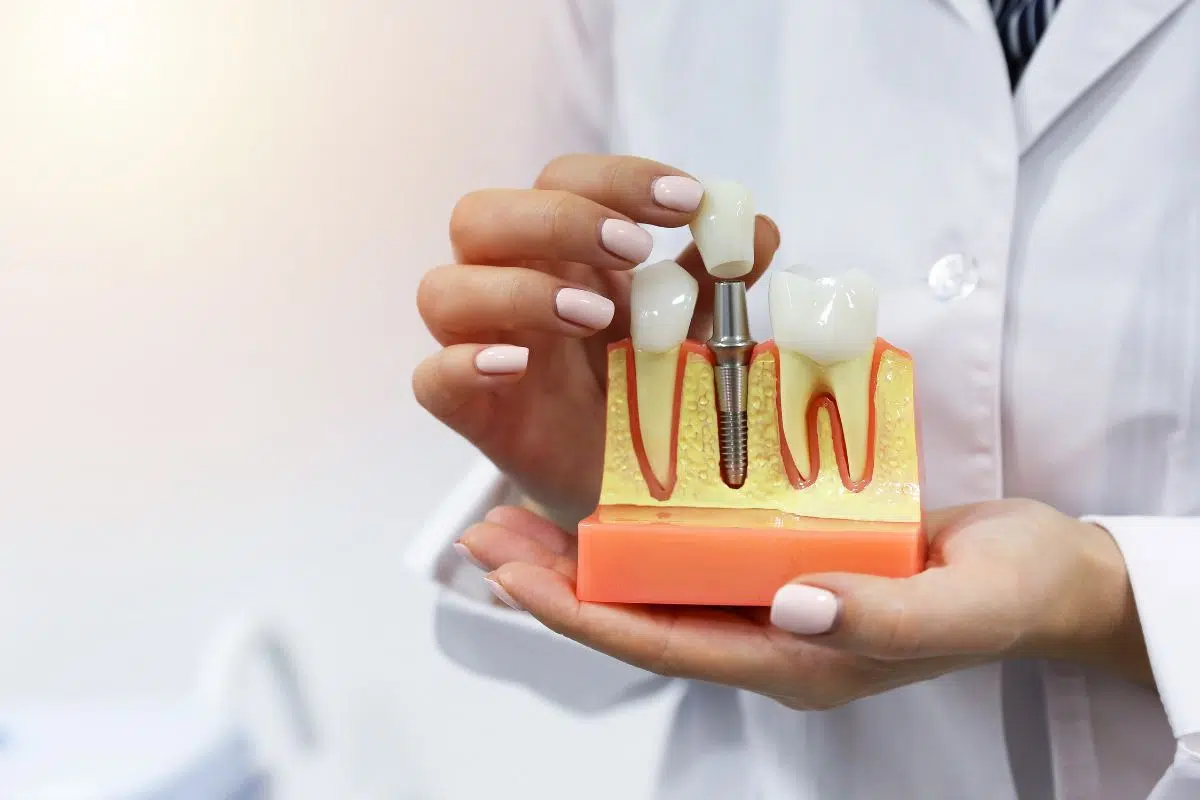
When it comes to dental implants, the role of dental implant healing caps is crucial. These small but essential components are designed to aid in the healing process and prepare the gum tissue for the final restoration. Understanding their purpose, function, and care can help you feel confident and informed throughout your treatment.
What Are Dental Implant Healing Caps?
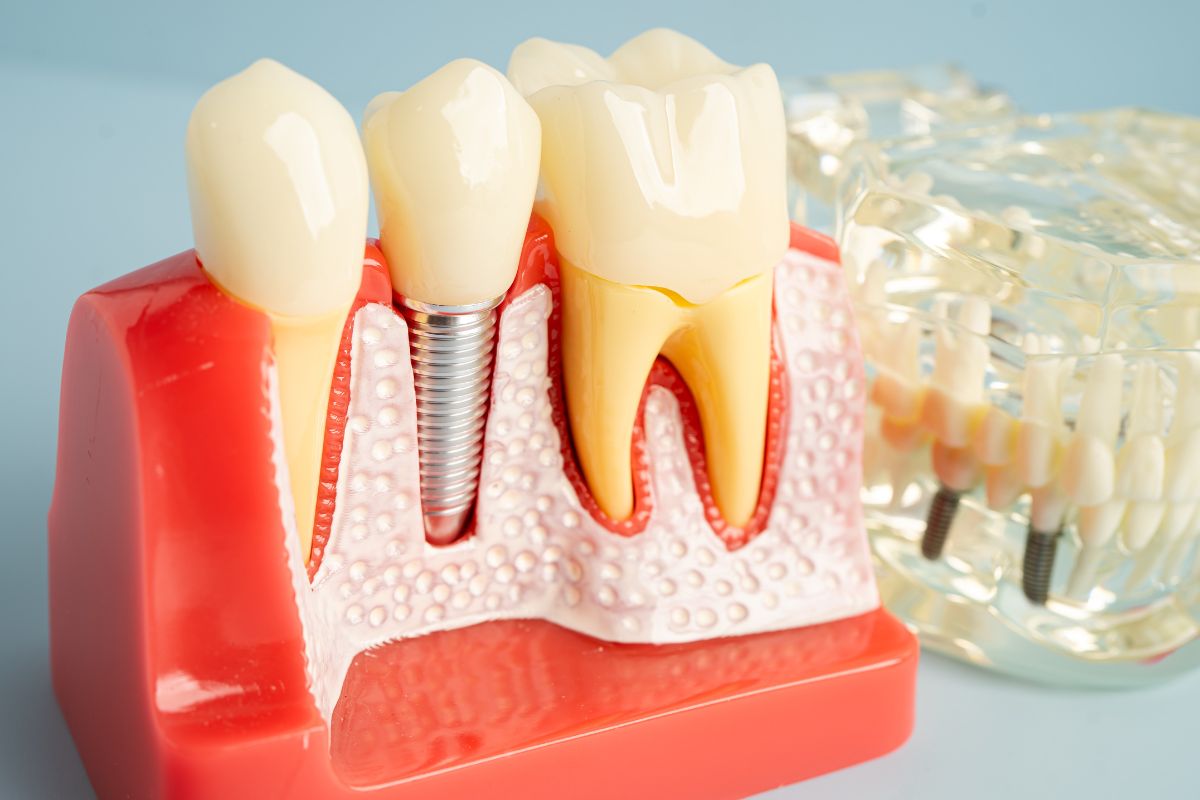
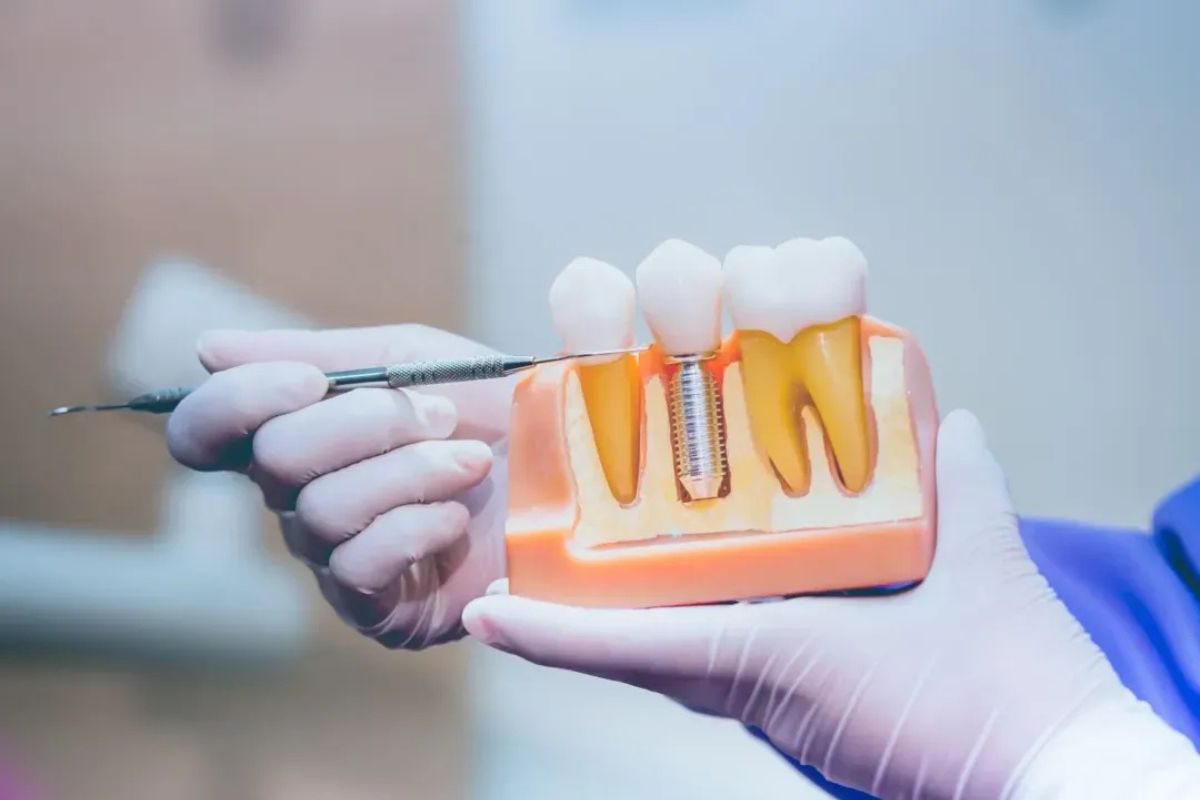
A dental implant healing cap, also known as a healing abutment, is a temporary device placed over the implant post during the healing phase. It plays a critical role in shaping and protecting the gum tissue around the implant, ensuring the area is ready for the permanent crown or bridge.
Why Are Healing Caps Important?
Dental implant healing caps are an integral part of the implant process. Their importance lies in the following:
- Protect the Implant: Healing caps shield the implant post from debris and bacteria, reducing the risk of infection.
- Shape the Gums: They help contour the surrounding gum tissue, allowing for a natural-looking restoration.
- Facilitate Easy Access: The cap ensures that your dentist can easily locate the implant during the final stages of treatment.
For patients seeking dental implants in Newport News, understanding these benefits can make the process feel more approachable.
How Long Do Healing Caps Stay in Place?
Healing caps typically remain in place for 2 to 4 weeks. However, the duration can vary based on factors such as:
- The speed of your healing process
- The complexity of your implant procedure
- Your dentist’s treatment plan
Your dentist at Covaney & Covaney in Newport News will monitor your progress closely to determine the optimal timeline for replacing the healing cap with the permanent crown.
What to Expect During the Healing Process
While healing caps are designed to make the process smoother, you may notice some common sensations, such as:
- Mild Discomfort: This is normal during the initial days and can be managed with over-the-counter pain relievers.
- Swelling or Tenderness: This should subside within a week.
- Temporary Adjustments: Eating soft foods and avoiding hard or sticky items can prevent irritation.
If you experience persistent pain or loosening of the cap, consult your dentist immediately.
How to Care for Your Dental Implant Healing Caps
Proper care of your dental implant healing caps is vital for a successful outcome. Here are some tips:
- Maintain Oral Hygiene: Brush gently around the healing cap with a soft-bristled toothbrush and use a non-alcoholic mouthwash.
- Avoid Hard Foods: Stick to soft and easily chewable foods to prevent pressure on the implant.
- Follow Dental Advice: Attend all follow-up appointments to ensure proper healing and to address any issues promptly.
Common Questions About Dental Implant Healing Caps
- Can I feel the healing cap? Yes, the healing cap is slightly above the gum line, so you might feel it with your tongue.
- Is it normal for the healing cap to loosen? No, a loose healing cap should be addressed immediately by your dentist.
- What happens after the healing cap phase? Once healing is complete, your dentist will replace the cap with the final crown or bridge.
Why Choose Covaney & Covaney for Dental Implants in Newport News
At Covaney & Covaney in Newport News, we specialize in providing personalized care for all your dental implant needs. Our expert team ensures a seamless process from initial consultation to the final restoration. With a focus on patient education and comfort, we’re here to guide you every step of the way.
Final Thoughts
Dental implant healing caps are a small but significant part of achieving a successful implant outcome. By understanding their purpose and following your dentist’s guidance, you can ensure a smooth recovery and look forward to a beautiful, functional smile.
Ready to take the next step? Schedule your appointment with Covaney & Covaney in Newport News today and let us help you achieve your best smile with dental implants.