Call Us Today : (757) 596-6850

Do You Grind Your Teeth? Causes, Symptoms, and Solutions
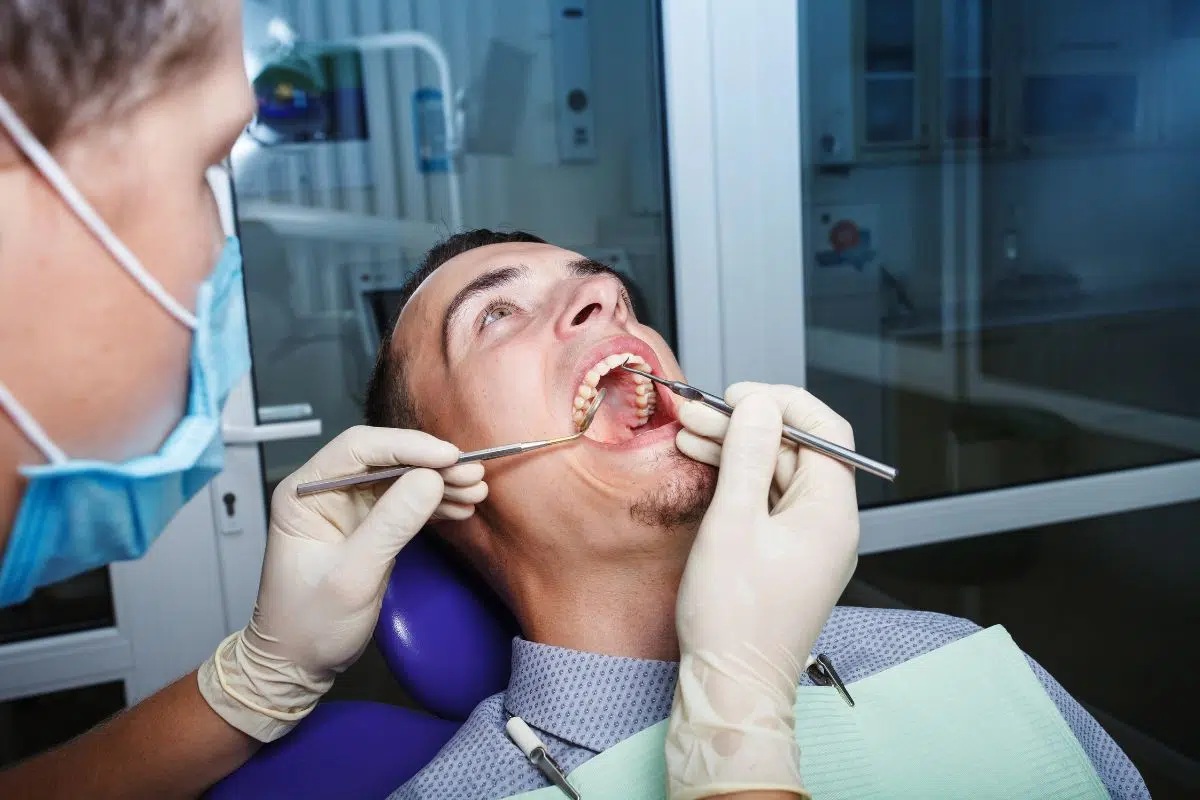
Teeth grinding, also called bruxism, is a common yet overlooked dental condition that can lead to long-term damage if left untreated. It involves involuntary clenching or grinding of the teeth, mainly when you sleep. Some individuals even grind their teeth while they are awake.
Knowing the causes, symptoms, and available treatments helps manage and prevent further complications related to this condition.
Major Causes of Bruxism/ Tooth Grinding
The reason for teeth grinding is unclear, but it is linked to physical, lifestyle, and psychological factors. Here are some of the major causes of this condition-
Stress and Anxiety
The most frequent cause of teeth clenching is stress. Individuals having high-pressure situations, emotional tension, or anxiety grind their jaws to release stress.
Sleep Disorders
Certain conditions, like sleep apnea and other related issues in sleep, can lead to bruxism. Those who suffer from sleep apnea may grind their teeth as a reflex in response to slight awakenings during the night due to breathing problems.
Misaligned Teeth or Bite
Malocclusion, or misalignment of teeth, is another factor that needs to be considered. When teeth do not fit together correctly, it can lead to abnormal pressure on the jaw muscles, triggering the grinding reflex.
Medications or Substances
Certain medicines like antidepressants, mainly serotonin reuptake inhibitors, have side effects that increase the likelihood of dental clenching. Alcohol, recreational drugs, and caffeine may also increase bruxism behavior, especially when consumed in excess.
Genetics
Some evidence suggests that clenching might run in families. If one or both parents suffer from this dental condition, the children might also have the same issue.
Other Health Conditions
Medical conditions like Parkinson’s disease and Huntington’s disease affect the nervous system and are also linked to grinding. Apart from this, mental conditions like depression can contribute to changes in behavior, leading to clenching.
If you have issues with dental clenching, consult with our experienced Newport News dentist who can provide the best treatment.
Symptoms Of Grinding You Need To Know
- Grinding or clenching teeth might be loud enough to disturb your partner’s sleep.
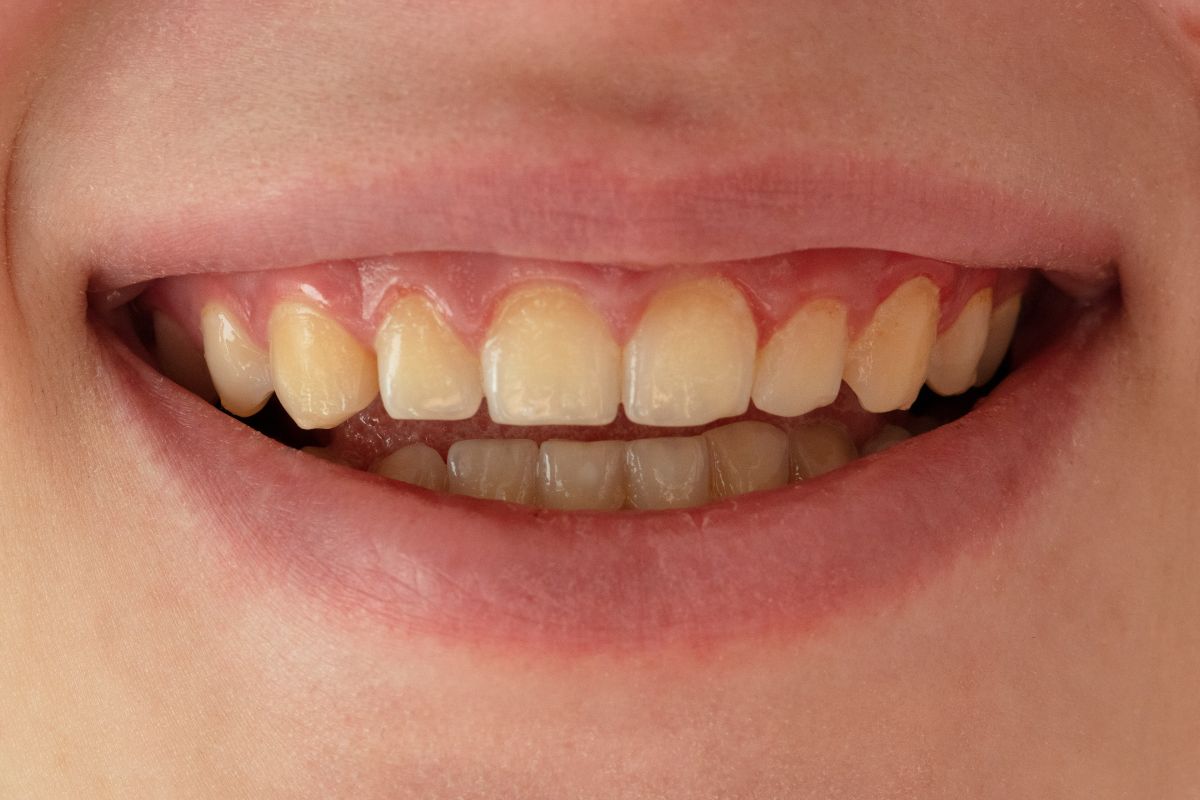
- Teeth that appear flattened, fractured, chipped, or loose.
- Worn enamel on your teeth, which can reveal the inner layers
- Sensitivity or pain in your teeth
- Fatigued or tense jaw muscles or a jaw that’s unable to open or close completely
- You might notice popping or clicking in your jaw
- Discomfort or soreness in the jaw, neck, or face.
- Jaw muscles that are larger than usual.
- Pain that resembles an earache, even though there’s no actual issue with the ear.
- A dull headache that begins near your temples—the areas on the sides of your head between your forehead and ears
- Sleep issues.
If you are in Newport News and experiencing these symptoms, visit our dental office for professional treatment.
Understanding Treatments For Bruxism
If you experience grinding unconsciously during the night, get help from a dentist who will evaluate the situation and recommend the proper treatment. Here are some of them-
Mouth Guards or Splints
One of the most common and effective treatments is a customized mouthguard. It is mainly worn at night and protects the teeth from damage caused by clenching. It also helps reduce pressure on the jaw and minimize pain.
Stress Management
Since stress is a major contributor to grinding, treatments like yoga, deep breathing exercises, and meditation can help manage anxiety and reduce the chances of clenching.
Improve Sleep Quality
Addressing underlying sleep issues, like apnea and insomnia, can reduce nighttime bruxism. Using a CPAP machine can also improve sleep and reduce grinding.
Dental Correction
Orthodontic treatment is recommended for people with misaligned teeth or biting problems. Correcting these problems helps reduce clenching.
FAQs on Teeth Grinding or Bruxism
1. What are the most common causes of teeth grinding (bruxism)?
Teeth grinding is often caused by stress, anxiety, sleep disorders like sleep apnea, misaligned teeth, certain medications, excessive caffeine or alcohol intake, and sometimes genetics. In some cases, underlying health conditions may also contribute to bruxism.
2. How do I know if I grind my teeth at night?
Common signs include waking up with jaw pain, headaches near the temples, tooth sensitivity, worn or chipped teeth, facial soreness, and disturbed sleep. Sometimes, a partner may notice grinding sounds while you sleep.
3. Can teeth grinding damage my teeth permanently?
Yes, untreated bruxism can wear down enamel, cause tooth fractures, loosen teeth, and increase sensitivity. Over time, it may also lead to jaw problems like TMJ discomfort and chronic pain.
4. What is the best treatment for bruxism?
Treatment depends on the cause. Common solutions include custom night guards, stress management techniques, improving sleep quality, treating sleep apnea, and correcting bite alignment issues. A dentist can recommend the best option after an evaluation.
5. When should I visit a dentist for teeth grinding?
You should visit a dentist if you notice jaw pain, frequent headaches, tooth sensitivity, chipped teeth, or difficulty opening and closing your mouth. Early treatment helps prevent long-term dental damage and improves comfort.
Teeth grinding might seem like a minor problem, but over time, it can lead to significant dental and overall health issues. Identifying the underlying cause is the first step toward finding the right solution. At Covaney & Covaney, we provide effective treatment for teeth grinding. Schedule your appointment at our Newport News-based dental clinic to identify the causes behind bruxism and get the right solution.