Call Us Today : (757) 596-6850

Early Signs of Gum Disease You Shouldn’t Ignore
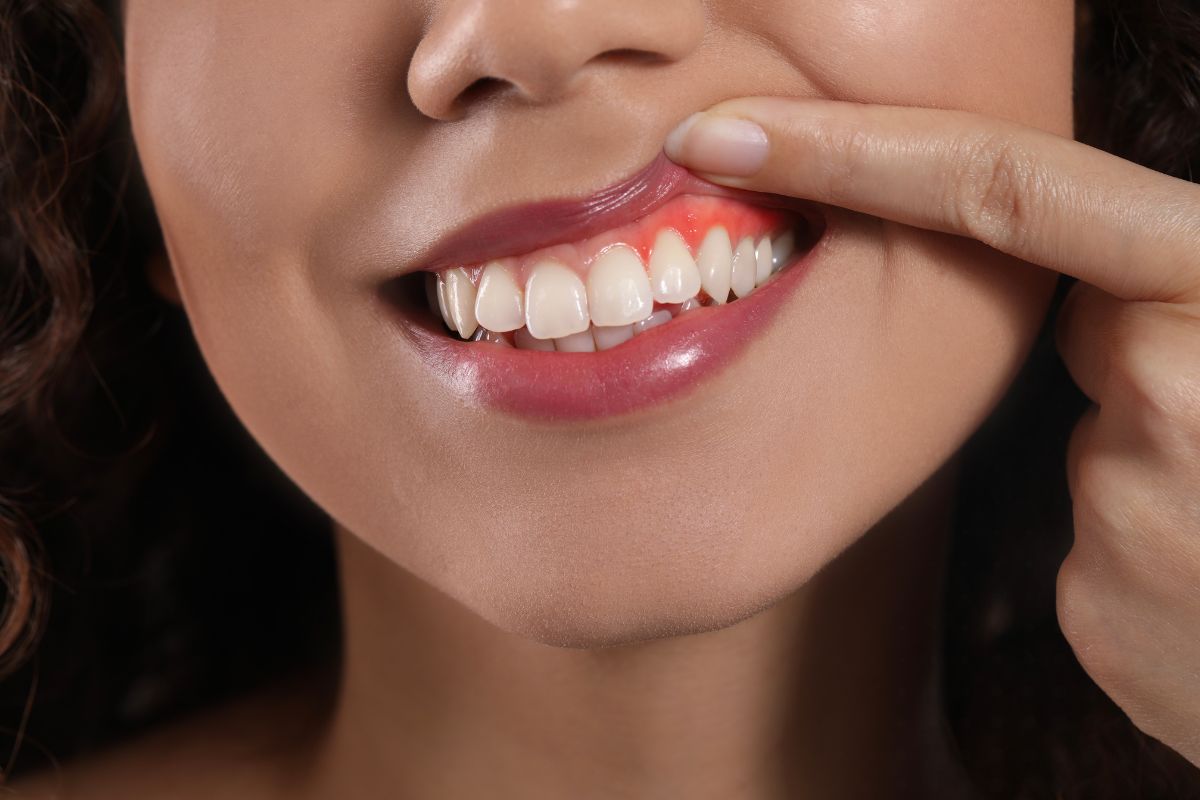
If you notice the early signs of gum disease, you can act quickly and protect your smile before serious damage occurs. Many people ignore small symptoms, yet those warning signs often point to deeper issues. When you understand what to look for, you can take control of your oral health.
At Covaney & Covaney in Newport News, we often see patients who wish they had recognized these signs sooner. The good news is that awareness and simple habits can make a real difference. Let’s explore what your gums may be trying to tell you.
What Is Gum Disease and Why It Matters
Gum disease begins when plaque builds up along the gumline. This sticky layer of bacteria irritates the gums and leads to inflammation.
At first, the condition stays mild. However, without proper care, it can progress and affect the bone that supports your teeth.
Why you should care:
- It can cause bleeding and discomfort
- It may lead to gum recession
- It increases the risk of tooth loss
- It can affect overall health
Therefore, paying attention to early symptoms helps you avoid long-term problems.
Bleeding Gums: The First Warning Sign
One of the most common early signs of gum disease is bleeding gums. If you notice blood while brushing or flossing, your gums need attention.
Healthy gums should not bleed easily. Even slight bleeding signals inflammation.
Common causes include:
- Plaque buildup
- Improper brushing technique
- Skipping flossing
Instead of ignoring it, improve your oral care routine and monitor changes.
Red, Swollen, or Tender Gums
Healthy gums look firm and pink. When they turn red or feel swollen, something is wrong.
Inflamed gums often feel sensitive when touched or while eating.
Watch for these changes:
- Puffy gum tissue
- Pain while chewing
- Increased sensitivity
If these symptoms persist, consult with our experienced dentist at Covaney & Covaney. Under the care of Dr. Michael Covaney, patients receive guidance to manage the early signs of gum disease before they worsen.
Persistent Bad Breath That Won’t Go Away
Bad breath happens occasionally, but chronic bad breath may point to gum issues.
Bacteria trapped under the gumline release toxins that create an unpleasant odor. Brushing alone cannot solve this problem.
Signs to notice:
- Bad breath even after brushing
- A constant bad taste in your mouth
- Dry feeling in the mouth
This symptom often appears alongside other early signs of gum disease.
Receding Gums and Longer-Looking Teeth
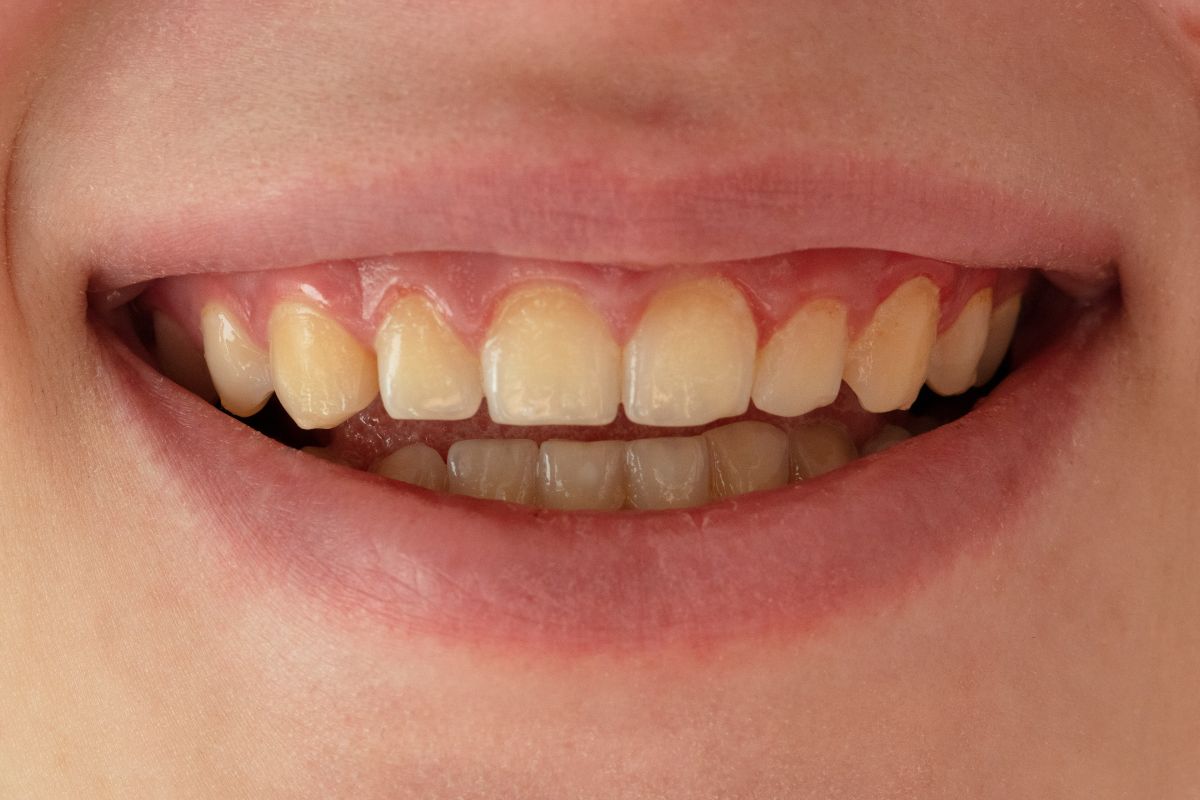
Do your teeth look longer than before? This change may indicate gum recession.
As gums pull away from the teeth, they expose more of the tooth surface. This process often develops slowly, so many people miss it.
Causes of gum recession:
- Poor oral hygiene
- Aggressive brushing
- Untreated gum inflammation
Early care can stop this process and protect your smile.
Sensitive Teeth and Discomfort
Tooth sensitivity often links to gum problems. When gums recede, they expose sensitive areas of the tooth.
You may feel discomfort when eating hot, cold, or sweet foods.
Common triggers:
- Ice-cold drinks
- Hot beverages
- Sugary snacks
If sensitivity increases, it may signal early signs of gum disease that need attention.
Changes in How Your Teeth Fit Together
As gum disease progresses, it can affect the alignment of your teeth.
You may notice that your bite feels different or that teeth shift slightly.
Look out for:
- Loose teeth
- Changes in bite
- Difficulty chewing
These changes require prompt evaluation to prevent further damage.
Pus or Infection Around the Gums
In more advanced stages, infection may develop around the gums.
You may notice pus or swelling near a tooth. This condition requires immediate care.
Warning signs include:
- Pain near the gums
- Swelling or pressure
- Visible discharge
At this stage, professional treatment becomes essential.
Daily Habits to Protect Your Gums
The good news is that you can prevent gum disease with consistent care.
Build these habits:
- Brush twice daily with proper technique
- Floss once a day
- Use an antibacterial mouthwash
- Stay hydrated
- Eat a balanced diet
In addition, regular dental visits help catch issues early.
When to See a Dentist
You should not wait for pain to visit a dentist. Early symptoms often appear without discomfort.
Schedule a visit if you notice:
- Bleeding gums
- Persistent bad breath
- Gum swelling or redness
- Tooth sensitivity
Early diagnosis makes treatment easier and more effective.
Don’t Ignore the Early Signs
The early signs of gum disease may seem minor, but they can lead to serious problems if ignored. By recognizing these symptoms and acting quickly, you can protect your teeth, gums, and overall health.
If you notice any warning signs, don’t delay care. Visit our dental office and schedule your appointment with Covaney & Covaney to receive expert guidance and personalized treatment for healthier gums and a confident smile.