Call Us Today : (757) 596-6850

Can You Eat Rice After Dental Implant Surgery? Expert Advice
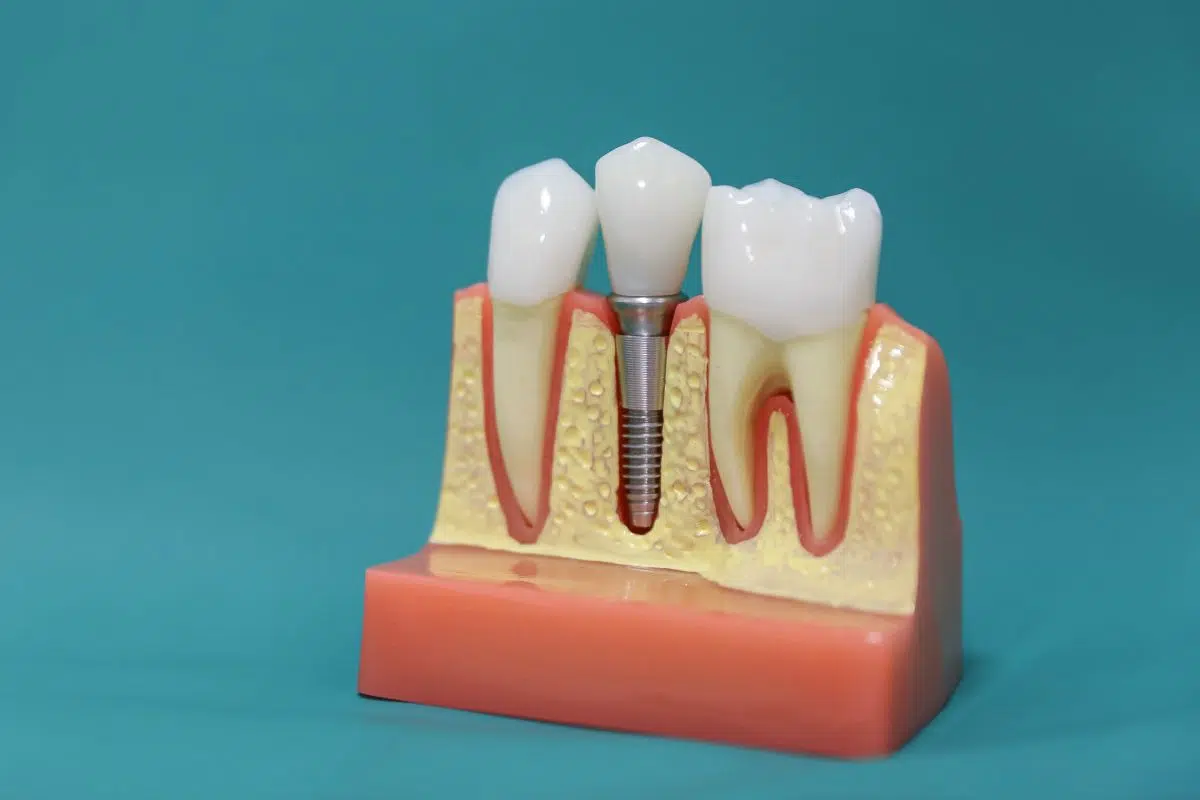
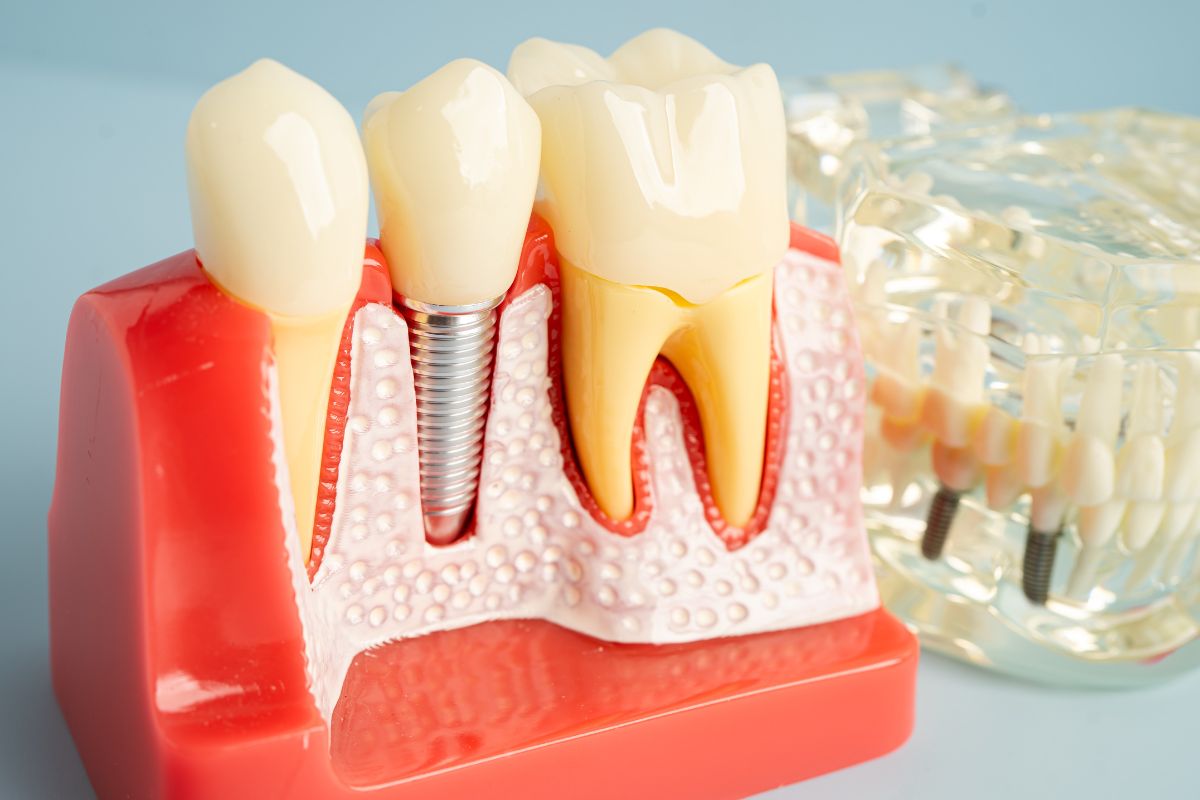
One of the most significant challenges of missing teeth is difficulty eating, which can lead to poor nutrition. Fortunately, several tooth replacement options are available that restore both function and aesthetics. Dental implants closely mimic your natural teeth, allowing you to eat your favorite foods once the surgical site heals.
The recovery process requires careful attention, especially when it comes to diet. Certain foods should be avoided, while others can support healing and comfort. Many individuals opt for prosthetic teeth and wonder if they can eat rice after the implant surgery. If you also have the same query and are seeking a dentist’s advice on diet, read this blog!
Importance of a Soft Diet After Implant Placement
A well-balanced diet is vital to overall health, particularly after getting dental implants in Newport News. Consuming easy-to-chew foods can prevent irritation and discomfort and assist in the smooth healing of the surgery site. A certain amount of swelling and minor bleeding is normal after surgically inserting titanium roots into the jawbone. Dentists usually recommend eating soft foods for the first few days as your mouth begins to heal. This helps to avoid unnecessary strain on the area, reduces inflammation, and minimizes the risk of implant failure.
Benefits of Eating Rice During Recovery
Once you receive fixed dental prostheses, your dentist may suggest foods like soft pasta, mashed potatoes, cooked vegetables, scrambled eggs, yogurt, smoothies, and even boiled rice. These foods help maintain energy levels without causing stress on the mouth.
Rice is an ideal post-procedure diet because it is soft, easy to chew, and mild in flavor. This cooked cereal is gentle on sensitive areas and is mainly preferred for the following reasons.
- Easy to Digest: Rice is light on the stomach, reducing the likelihood of discomfort.
- Soft Texture: Cooked rice requires minimal chewing, which helps protect the surgical site.
- Nutrient-Rich: The cereal provides essential carbohydrates that offer energy, which is vital during the healing process.
- Versatile: You can combine rice with other soft foods, such as steamed vegetables, scrambled eggs, or soups, to create balanced meals.
While rice is a good option, it is best to ensure it is well cooked and not too sticky. Uncooked grains can get lodged in the surgical area and cause irritation.
Foods to Avoid
Whether or not you stick to rice after implant placement, stop eating these foods to prevent delays or discomfort:
- Hard or crunchy foods (chips, nuts, raw vegetables)
- Tough meats (steak, chewy cuts of poultry)
- Spicy foods (can irritate the gums)
- Acidic foods (citrus fruits, tomatoes)
- Sticky foods (caramel, chewy candies)
- Alcohol (can slow healing)
When Can You Return to a Normal Diet?
Each person heals at a different pace, so there is no specific duration for when you can resume normal eating. Most patients can start incorporating firmer foods after about a week of getting implants; this may take longer for others. Full recovery with permanent dental prosthetics may take several months, so gradually reintroducing tougher foods is recommended.
Keeping up with follow-up appointments with your dentist ensures that healing is progressing as expected. They can provide personalized advice on when and how to eat rice for a smooth recovery without impacting dental prostheses.
Following a soft diet like perfectly boiled rice after an implant surgery promotes speedy healing and prevents complications. Because of its versatility, easy digestibility, and smooth texture, this edible grain is a great choice. Rice can aid in recovery and assist patients in resuming their regular routines when combined with other nutrient-rich soft foods.
For more details on dietary recommendations or follow-up visits with our implant dentist, contact Covaney & Covaney.