Call Us Today : (757) 596-6850

Is Professional Teeth Whitening Safe for Sensitive Teeth?
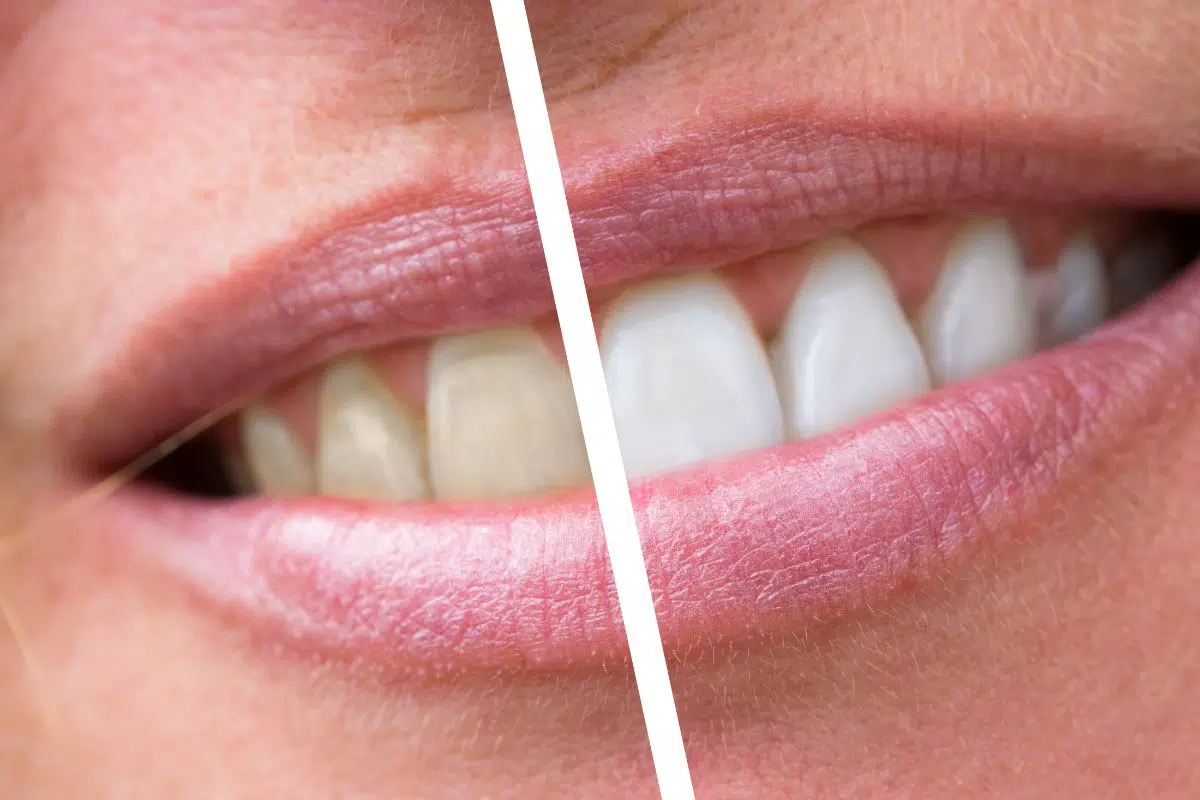
Teeth whitening is an excellent way to improve the appearance of a smile. However, individuals with sensitive teeth may question the safety of undergoing this teeth whitening treatment. Read this blog if you have oral sensitivity issues but want to brighten your pearly whites. Everything you need to know about professional dental whitening is discussed here!
How Does Whitening Affect Your Teeth?
Most teeth whitening treatments involve the application of peroxide-based agents. These penetrate the enamel and break down stains that come from coffee, tea, wine, or just the effects of aging. While effective, these active ingredients can also irritate the nerves in your teeth, particularly when the enamel is worn down or the gums have receded. This irritation can cause further temporary sensitivity if the underlying dentin is exposed.
Dentin contains tiny tubules that connect to nerve endings, and bleaching products can sometimes trigger a sharp response. However, this doesn’t make an individual with sensitive teeth ineligible for whitening treatment. Our approach and whitening products are thoughtfully selected and customized for lasting brightness and minimal discomfort.
Soothing Sensitivity During Teeth Whitening
Today’s teeth whitening products are often formulated with sensitivity in mind. Many include soothing agents or are buffered to help reduce irritation. That means whitening is no longer an all-or-nothing decision for those with delicate teeth.
Before your dental whitening session, use a desensitizing toothpaste for at least two weeks before any treatment. These pastes contain potassium nitrate and fluoride, which block pain signals from reaching the nerve and strengthen enamel. Pair that with a soft-bristled toothbrush and avoid overly aggressive brushing. Even gentle products can feel intense if your gums are inflamed or your enamel is compromised. This is why building a healthy foundation ahead of whitening is recommended to improve the overall experience.
Why Does Timing Matter When Whitening Sensitive Teeth?
Choosing the right time to whiten matters. Give your teeth time to settle if your mouth feels sensitive from a recent cleaning or dental procedure. Sensitivity is often temporary, so delaying whitening until things calm down can make the process more comfortable. Avoid back-to-back whitening sessions and discuss your sensitivity issues with a dentist.
Also, allow time between whitening sessions so your teeth can recover. You can also try whitening services with shorter applications to minimize discomfort. Slower progress can be more manageable and easier on your enamel. Also, a quick dental checkup can help rule out issues like decay or gum disease that may make whitening uncomfortable.
Essential Aftercare for Sensitive Teeth Post-Whitening
After a whitening session, your teeth may be more sensitive than usual for a short period. Avoid hot or cold foods to ease the recovery, and stick to neutral-temperature drinks and meals for a few days. This gives your enamel time to recover and protects the exposed dentin.
Use a desensitizing toothpaste and consider adding a fluoride rinse to your daily routine. This helps remineralize the enamel and create a barrier against external triggers. Drinking water also helps rinse away residue and supports healthy saliva flow.
Sensitivity doesn’t mean you have to miss out on a brighter smile. With care, patience, and the right steps before and after treatment, teeth whitening can be both safe and comfortable.