Call Us Today : (757) 596-6850

Can You Restore Tooth Enamel? Here’s What The Dentist Says
Tooth enamel is the outermost layer that shields your teeth. When it wears off, the first thing you’ll experience is tooth sensitivity, and without treatment, it can develop into hypersensitivity. It is a thin, hard layer that protects your teeth from damage to the inner layers, called dentin and pulp, caused by acids, bacteria, and physical wear and tear.
Weak enamel is often accompanied by constant discomfort, characterized by pain, dull-looking teeth, and difficulty eating. It’s a frustrating cycle, and many hope to fix the damage. However, once enamel is gone, it does not regrow. You can protect what is left, but you cannot rebuild it. Let’s have a look at the dentist’s insights on this matter.
Why Is Your Enamel Wearing Away?
Enamel erosion usually starts without any noticeable signs. The symptoms are mild, so people can neglect them easily. Studies as per the American Dental Association stated that ‘Erosive demineralization can result in progressive, irreversible loss of tooth mineral substance and may be caused by intrinsic (e.g., acid reflux and excessive vomiting) and/or extrinsic (e.g., dietary) factors.’ Sometimes, it is the food you eat. Other times, it is habits you do not even realize are hurting your teeth.
Here are some common reasons enamel starts breaking down:
- Drinking a lot of soda or sweetened drinks
- Fruit juices that are packed with sugar or strong acids
- Dry mouth that does not produce enough saliva
- Eating too many starchy or sugary foods
- Ongoing acid reflux or gut issues
- Side effects from certain medications
- Grinding your teeth, especially while sleeping
- Flossing the wrong way
- Brushing with too much force
The effects progress slowly, but with time, it leaves you dealing with constant pain or sensitivity.
Treatments Available To Restore Enamel And Regain Oral Health
Even though you can’t grow back lost enamel, there are ways to protect your teeth and stop more damage from happening. Treatment depends on how much of the surface has worn down and how your teeth are reacting to it.
Dental Bonding for Minor Damage
Bonding can be an option if the erosion is in its early stages. In this procedure, a tooth-colored material is applied to the affected area. The crown is molded to resemble your natural tooth and then hardened. This can enhance the appearance and feel of your pearly whites. The procedure is conducted in a single visit and does not require a lengthy duration.
Dental Crowns for More Severe Erosion
If the enamel loss is severe, a crown is the last option. It covers the broken tooth with a cap that functions as a shield. The porcelain cap protects the damaged area, alleviates pain, and restores strength, allowing you to chew comfortably again. However, our Newport News dentists at Covaney & Covaney apply this method only if the pain becomes a recurring problem or the tooth begins to disintegrate.
What Are the Long-Term Benefits of Enamel Therapy?
Dealing with worn enamel is more than just a cosmetic problem because it hampers your quality of life. You might not realize how much it affects you until it is fixed, and the relief is often immediate.
Here are the changes you will notice right after walking out of the clinic:
Less Sensitivity In Your Teeth
Sensitivity is common when the outer layer of the tooth is compromised. Teeth react quickly to hot and cold food, or even during brushing. Rebuilding the surface diminishes that sting, allowing you to eat and drink with ease.
Brighter, More Even Smile
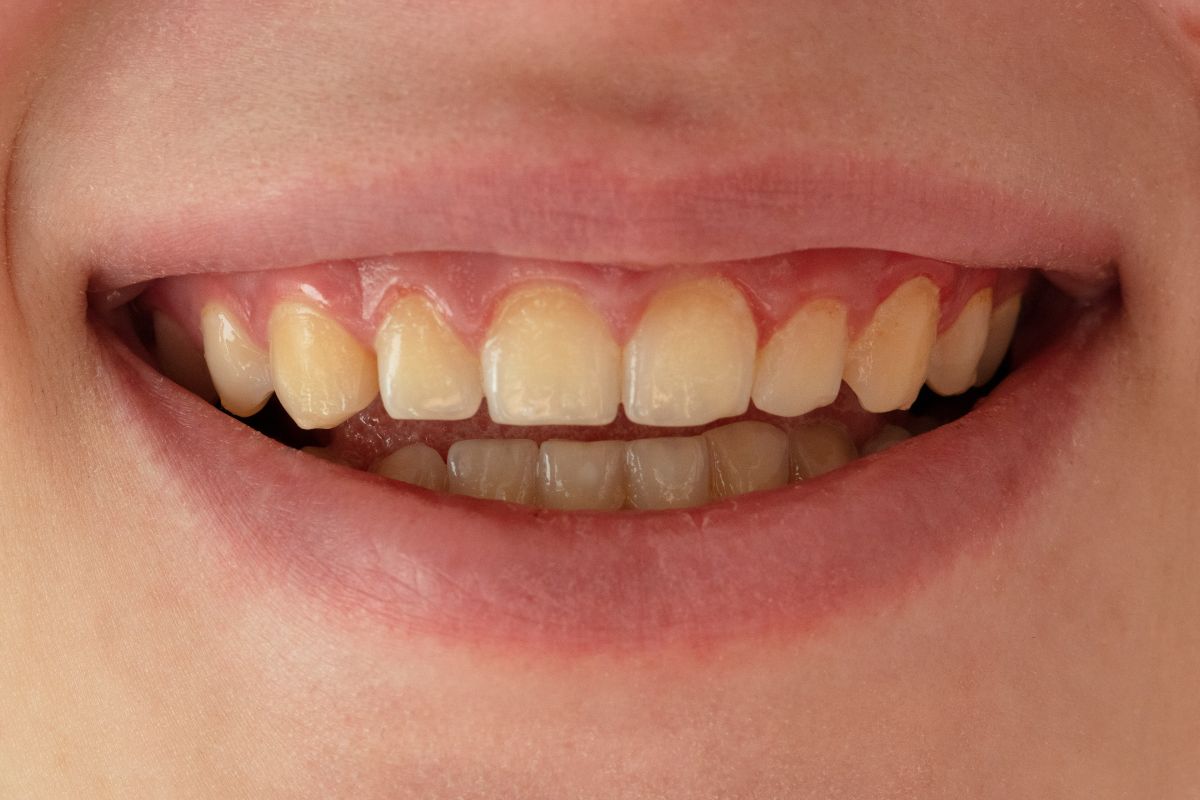
When enamel wears thin, your teeth can begin to appear yellow, not due to stains but because the inner layer is visible. Treatment can restore a whiter, cleaner appearance by covering up those areas.
Smoother, Stronger Surfaces
When enamel wears off, rough or jagged edges can develop. That nasty sensation on your tongue can be frustrating, as it can cause chips and cracks. Repairing these areas smooths out your teeth and makes oral activities feel normal.
Improved Functionality and Less Frustration
Erosion can make teeth feel weak or brittle. After treatment, you might find it easier to bite, chew, and smile without worrying that something might hurt.
A Barrier Against Future Problems
Bonding or crowns help shield what is left of your tooth. These materials do not wear the same way enamel does, as they add a strong layer of protection.
Frequently Asked Questions
Can lost tooth enamel grow back naturally?
No, once tooth enamel is completely lost, it cannot grow back naturally because enamel does not contain living cells. However, dentists can help strengthen and protect the remaining enamel.
How do I know if my tooth enamel is getting weak?
Common signs include tooth sensitivity, yellow-looking teeth, rough edges, pain while eating hot or cold foods, and teeth that chip more easily than before.
Does drinking lemon water damage tooth enamel?
Yes, frequent exposure to acidic drinks like lemon water can gradually weaken enamel. Drinking it in moderation and rinsing your mouth with water afterward can help reduce the risk.
Can whitening toothpaste repair enamel loss?
No, whitening toothpaste does not restore lost enamel. In some cases, abrasive whitening products may even increase sensitivity if enamel is already thin.
Is enamel erosion the same as tooth decay?
No, enamel erosion is caused by acids wearing down the tooth surface, while tooth decay happens due to bacteria producing acids from food particles. Both can damage teeth but develop differently.
Can children experience enamel erosion too?
Yes, children can also develop enamel erosion due to sugary drinks, poor oral hygiene, acid reflux, or frequent consumption of acidic foods and beverages.
Protect Your Enamel Before it Gets Worse
Many people start asking how to restore their enamel when sensitivity or discomfort becomes hard to ignore. While lost enamel cannot grow back, early care can help protect what remains and prevent further damage.
Maintaining a strong oral care routine is the best defense against enamel wear. Proper brushing, daily flossing, and being mindful of sugary or acidic foods can help protect the outer layer of your teeth and reduce the risk of serious dental problems later.
Don’t wait until eating becomes painful or your smile feels uncomfortable. Recognizing the signs early and getting the right dental care can make a big difference. Schedule your appointment today and take the first step toward protecting your oral health.