Call Us Today : (757) 596-6850

Can a Decayed Tooth Cause Headaches? The Surprising Connection
Have you ever wondered, can a decayed tooth cause headaches? You are not alone. Many people overlook dental problems when seeking the root cause of their pain. But did you know that a decayed tooth can sometimes be the hidden reason behind the persistent headache?
Let’s discover the surprising connection between teeth and your head and how you can treat headaches caused by teeth.
What Is a Decayed Tooth?
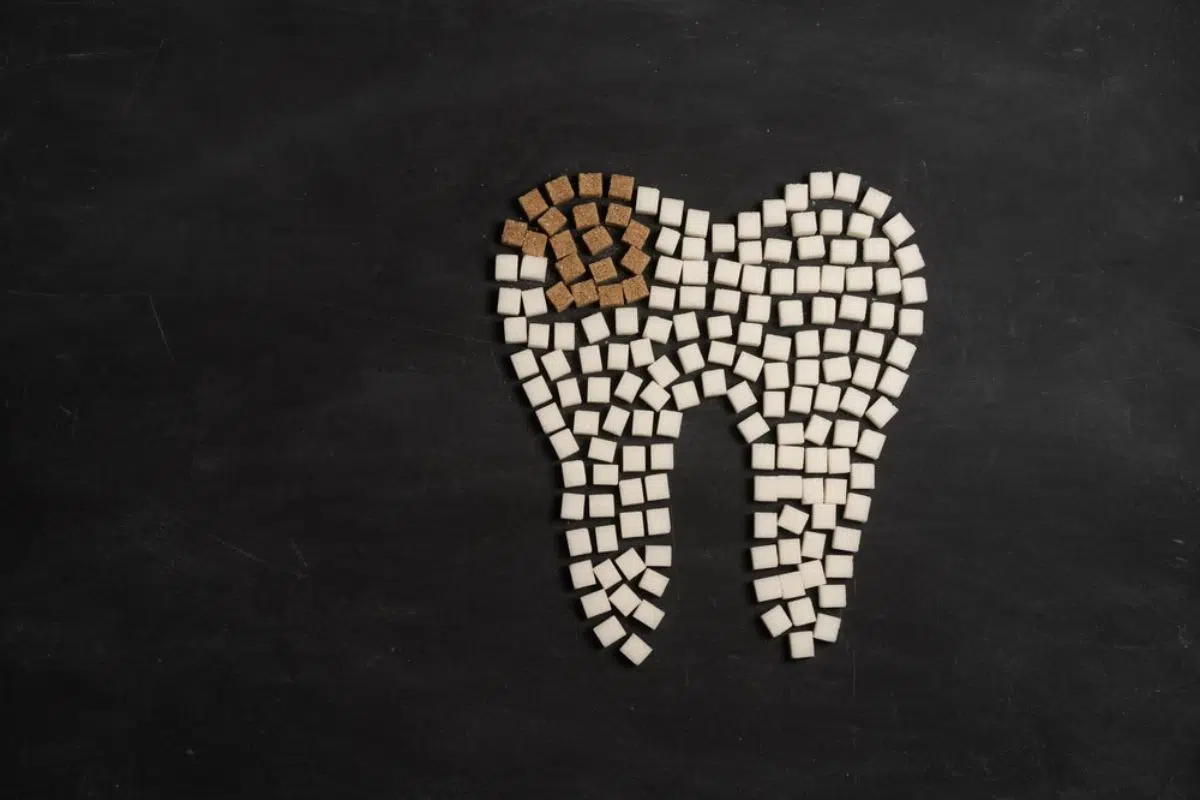
A decayed tooth occurs when bacteria eat away at the enamel, forming cavities inside the tooth. When left untreated, this decay can reach the inner layers of the tooth, including the nerves, causing infection, pain, and constant pressure in the surrounding areas. If you’re experiencing these symptoms, consulting a trusted dentist in Newport News is essential to prevent further complications.
Tooth decay often does not exhibit any obvious signs in its early stages. However, once the decay reaches the nerve, pain begins to occur. This is when the headache usually begins.
How Can a Decayed Tooth Cause a Headache?
Can a decayed tooth cause headaches? The answer is yes, and here’s why. When the nerves become too inflamed or infected, they send signals to the surrounding areas in the face and head. The pain can move through the trigeminal nerve, which is responsible for facial sensation and connects to the jaw, eyes, and forehead.
A Decayed Tooth Can Also Lead To
- Jaw tension from teeth grinding or clenching
- Referred pain in the temple or neck
- Sinus pressure if the upper molars are affected
All of these factors can combine to create a dull, throbbing headache that won’t go away easily until the oral issue is resolved.
Signs Your Headache May Be Tooth-Related
Not every pain in your head is caused by oral issues. But here are some of the symptoms that it might be
- You feel pain in the jaw or near a specific tooth
- Pain is one-sided or located near the temple
- Your headache becomes worse when you chew or bite
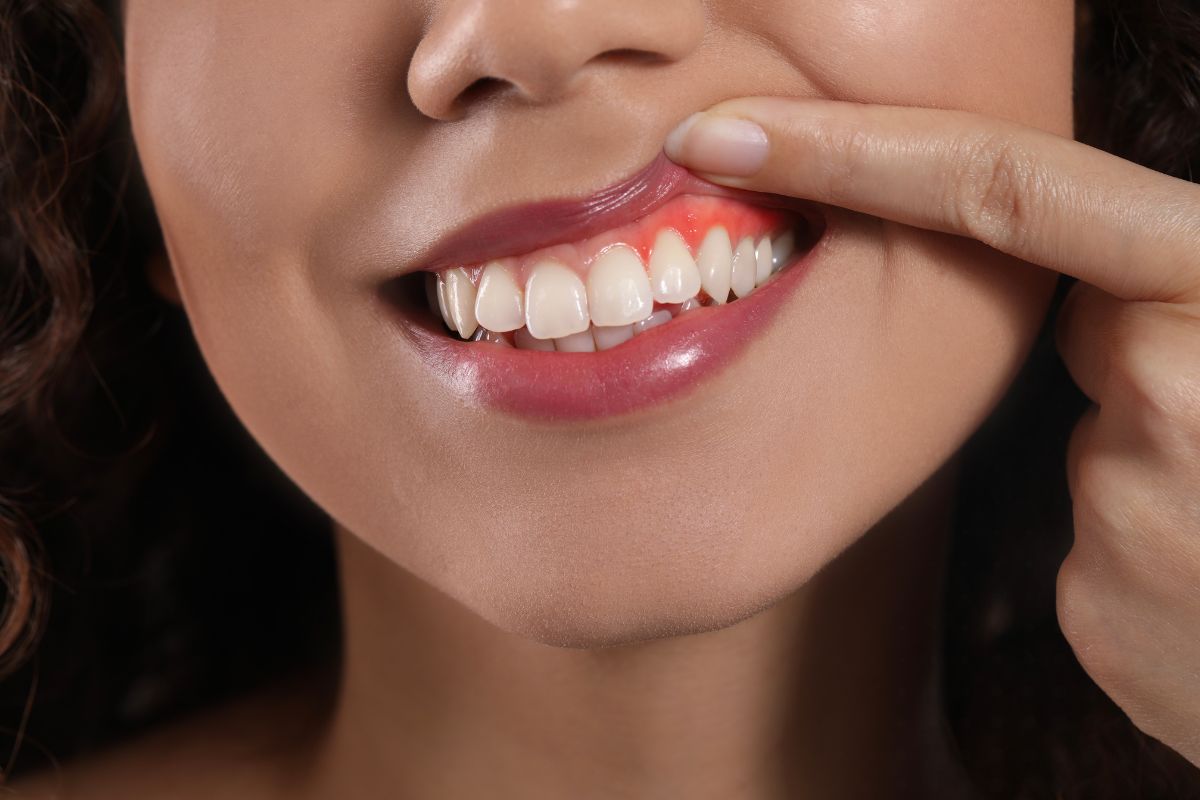
- You have swelling or sensitivity in the gums
- Do you have any recent dental issues or a toothache
If these signs sound familiar, it’s time to consult a dentist.
How Can a Dentist Help?
The best way to diagnose the cause of your headache is through a comprehensive dental examination. A dentist can
- Check for cavities or signs of a decayed tooth
- Recommend the right treatment, like filling or root canal
- Take X-rays for hidden infections
Once the decayed tooth is treated properly, many patients find that their headache symptoms subside or decrease significantly.
If you’ve been asking, can a decayed tooth cause headaches, the answer is yes—addressing the dental issue often helps relieve headache pain.
In some cases, a night mouth guard or other treatment may be suggested by the dental practitioner if jaw clenching is part of the problem.
How Can I Prevent Tooth-Related Headaches?
Prevention is always better than treatment. Here’s how to protect your teeth and avoid future headaches:
- Brush and floss daily
- Visit the dentist every 6 months
- Limit intake of sugary items and drinks
- Wear a mouth guard if you are grinding your teeth
- Do not ignore any sign of tooth pain or sensitivity.
Early action can stop a decayed tooth from becoming a serious and painful issue.
At Covaney & Covaney, we understand how dental health affects overall well-being. Experiencing unexplained headaches and wondering, can a decayed tooth cause headaches? If you suspect a decayed tooth is the source, schedule an appointment with our dentist today. Let us help you get the relief you deserve.