Call Us Today : (757) 596-6850

Why Professional Teeth Cleanings Matter More After Age 40

Professional teeth cleanings after 40 play a vital role in maintaining a healthy smile and supporting overall wellness. As people grow older, natural changes in the mouth can increase the risk of gum disease, plaque buildup, and other oral health concerns. While daily brushing and flossing remain important, they often cannot remove every deposit that accumulates over time.
Many adults notice changes in their oral health as they enter their forties and beyond. At Covaney & Covaney, Dr. Michael Covaney and Dr. Sharon Cole Covaney help patients protect their smiles through preventive care designed for every stage of life. Understanding why regular dental maintenance becomes more important with age can help you make informed decisions about your long-term health.
How Oral Health Changes After Age 40
The mouth naturally changes over time. While these changes do not happen overnight, they can gradually affect oral health if left unaddressed.
Several factors contribute to these changes, including:
- Normal wear on enamel
- Reduced saliva production
- Increased risk of gum recession
- Certain medications
- Medical conditions that affect oral health
As a result, bacteria and plaque can become more difficult to control through home care alone. This is one reason why professional teeth cleanings after 40 become increasingly valuable.
Plaque and Tartar Become Harder to Manage
Even people with excellent oral hygiene can develop tartar buildup. Plaque forms every day, and if it is not removed completely, it hardens into tartar.
Unlike plaque, tartar cannot be removed with a toothbrush or floss. Professional dental care is necessary to eliminate these deposits safely.
If you live in Newport News and want to maintain a healthy smile, a trusted dentist can help identify and remove harmful buildup before it leads to larger concerns. Many patients discover that professional teeth cleanings after 40 help them maintain healthier gums and reduce future treatment needs.
Gum Disease Risk Increases With Age
Gum disease remains one of the most common oral health concerns among adults over 40.
In its early stages, symptoms may include:
- Red or swollen gums
- Bleeding during brushing
- Persistent bad breath
- Tender gum tissue
Without treatment, gum disease can progress and affect the structures that support your smile.
Routine cleanings help remove bacteria and plaque from areas that are difficult to reach at home. Consequently, regular preventive care plays a major role in reducing the risk of gum disease progression.
Professional Cleanings Help Detect Problems Early
One significant advantage of regular dental visits involves early detection.
During preventive appointments, dental professionals evaluate your oral health and look for signs of:
- Cavities
- Gum disease
- Oral infections
- Worn restorations
- Changes in soft tissue
Early diagnosis often leads to simpler and more affordable treatment options. Therefore, preventive care supports both oral health and financial wellness.
Dry Mouth Can Increase Oral Health Risks
Many adults over 40 take medications that can reduce saliva production.
Common medications associated with dry mouth include:
- Blood pressure medications
- Antihistamines
- Certain antidepressants
- Some pain medications
Saliva helps protect the mouth by washing away food particles and neutralizing harmful acids. When saliva levels decrease, the risk of decay and gum problems often increases.
Regular professional evaluations can identify early signs of damage related to dry mouth and help patients develop effective prevention strategies.
Existing Dental Work Requires Ongoing Monitoring
Many adults over 40 already have dental restorations such as:
- Fillings
- Crowns
- Bridges
- Dental implants
Although these restorations are durable, they still require monitoring.
Professional cleanings allow dental teams to inspect these areas carefully and identify potential concerns before they become serious. In addition, maintaining healthy surrounding tissues helps extend the life of existing dental work.
Preventive Care Supports Overall Health
Research continues to show strong connections between oral health and overall wellness.
Poor oral health has been associated with conditions such as:
- Heart disease
- Diabetes complications
- Respiratory infections
- Chronic inflammation
While regular dental care does not prevent every health condition, it can help reduce bacterial buildup and inflammation within the mouth.
Because of these connections, many healthcare professionals encourage consistent preventive care throughout adulthood.
Stains Become More Noticeable Over Time
Years of exposure to coffee, tea, wine, and other staining substances can gradually affect the appearance of a smile.
Many adults notice:
- Darker enamel
- Surface stains
- Dull appearance
Professional cleaning appointments remove many external stains and help restore a fresher appearance.
As a result, patients often leave appointments feeling more confident about their smiles.
Prevention Is More Affordable Than Treatment
Many people delay preventive care because they feel their mouth is healthy. However, small problems often develop without obvious symptoms.
Regular maintenance can help prevent:
- Extensive restorative treatment
- Advanced gum disease therapy
- Tooth loss
- Dental emergencies
Investing in preventive care today often reduces the likelihood of larger expenses later.
This makes professional teeth cleanings after 40 a practical investment in both health and long-term savings.
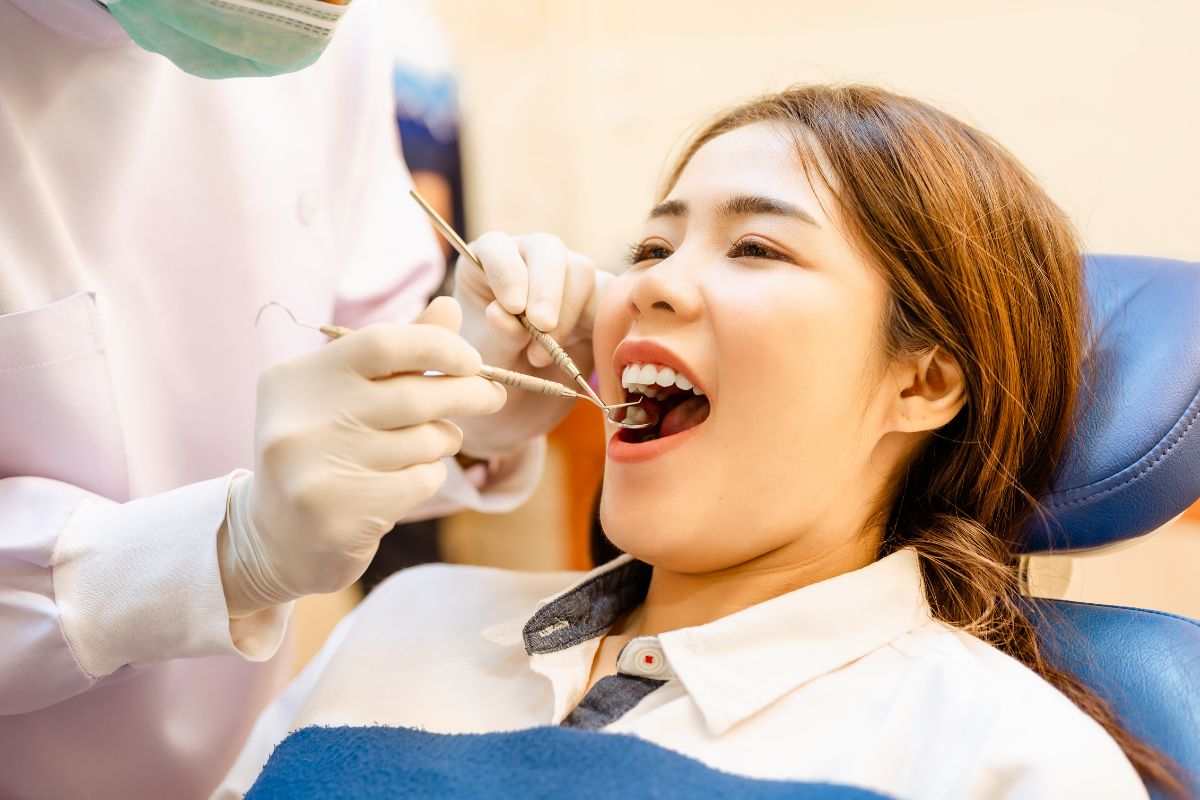
What Happens During a Professional Cleaning?
Many patients appreciate knowing what to expect during a preventive appointment.
A typical cleaning may include:
- Examination of oral tissues
- Removal of plaque and tartar
- Polishing of enamel surfaces
- Assessment of gum health
- Recommendations for home care
These steps work together to support long-term oral wellness and help patients maintain healthy smiles.
How Often Should Adults Over 40 Schedule Cleanings?
Most adults benefit from preventive visits every six months. However, some individuals may require more frequent care based on their oral health needs.
Factors that may influence scheduling include:
- History of gum disease
- Tobacco use
- Dry mouth
- Diabetes
- Heavy tartar accumulation
Your dentist can recommend a schedule tailored to your specific situation.
As oral health needs change with age, preventive care becomes more important than ever. Professional teeth cleanings after 40 help remove harmful buildup, support gum health, identify problems early, and contribute to overall wellness. They also help protect existing dental work and reduce the risk of more complex treatment in the future. If you are ready to prioritize your oral health, schedule an appointment with Covaney & Covaney or visit our dental office for personalized preventive care from Dr. Michael Covaney and Dr. Sharon Cole Covaney.