Call Us Today : (757) 596-6850

What Happens If You Never Replace a Missing Tooth?

Never replace a missing tooth may sound like a harmless choice, especially if the gap is not visible when you smile. However, losing a tooth can trigger a series of changes throughout your mouth that affect far more than your appearance. What begins as a single gap can eventually impact your bite, jawbone, oral health, and overall confidence.
Many patients at Covaney & Covaney are surprised to learn how quickly changes can occur after tooth loss. Dr. Michael Covaney and Dr. Sharon Cole Covaney often educate patients about the long-term effects of untreated tooth loss and the benefits of timely replacement options. Understanding these consequences can help you make informed decisions about protecting your smile for years to come.
Why Tooth Loss Should Never Be Ignored
A healthy smile functions as a complete system. Every tooth plays an important role in supporting chewing, speaking, and maintaining proper alignment.
When a tooth is lost, the balance within the mouth changes. While the effects may not appear immediately, they often develop gradually over time.
Common causes of tooth loss include:
- Severe decay
- Gum disease
- Dental trauma
- Cracked teeth
- Failed restorations
Regardless of the cause, replacing a lost tooth helps preserve both function and oral health.
Neighboring Teeth Can Shift Out of Position
One of the first changes that often occurs after tooth loss involves movement of nearby teeth.
Natural teeth rely on neighboring teeth for support and positioning. Once a gap appears, surrounding teeth may begin drifting toward the empty space.
This movement can lead to:
- Crowding
- Bite problems
- Increased wear
- Difficulty cleaning between teeth
- Changes in alignment
Many people who never replace a missing tooth eventually notice that their bite no longer feels the same.
If you live in Newport News and have experienced tooth loss, dental implants may help restore stability and prevent future shifting. At Covaney & Covaney, patients often explore replacement options before alignment issues become more difficult to correct.
Opposing Teeth May Begin to Move
The effects of tooth loss are not limited to neighboring teeth.
When a tooth no longer has an opposing tooth to bite against, the opposite tooth may begin moving out of its normal position.
This process can create:
- Bite imbalances
- Increased sensitivity
- Difficulty chewing
- Additional stress on surrounding teeth
As these changes continue, treatment often becomes more complex.
Bone Loss Begins After Tooth Loss
Many people are unaware that the jawbone requires stimulation from tooth roots to maintain its strength and density.
After a tooth is lost, the underlying bone no longer receives that stimulation.
As a result, the body begins to resorb bone in the affected area.
Potential consequences include:
- Reduced bone volume
- Changes in facial structure
- Weakened support for future restorations
- Increased treatment complexity
Bone loss often starts within the first year after tooth loss and can continue over time.
This is one of the most significant reasons dentists encourage patients not to never replace a missing tooth after extraction or loss.
Chewing Efficiency Decreases
Every tooth contributes to proper chewing function.
When a gap remains untreated, chewing may become less effective. Many individuals begin favoring one side of the mouth to avoid discomfort.
This habit can lead to:
- Uneven pressure distribution
- Excess wear on remaining teeth
- Jaw discomfort
- Difficulty eating certain foods
Over time, nutritional choices may also become more limited.
Additional Stress on Remaining Teeth
When one tooth disappears, the remaining teeth often compensate for the loss.
This additional workload may increase the risk of:
- Tooth fractures
- Enamel wear
- Sensitivity
- Restorative treatment needs
The longer the gap remains untreated, the greater the strain on surrounding structures.
Speech Can Be Affected
Certain sounds require precise tongue and tooth positioning.
Depending on the location of the lost tooth, speech changes may occur.
Common concerns include:
- Difficulty pronouncing specific words
- Whistling sounds
- Altered speech patterns
Although some people adapt over time, others continue to experience noticeable speech challenges.
Gum Health May Become More Difficult to Maintain
Gaps can create areas where food particles and bacteria accumulate more easily.
This may increase the risk of:
- Plaque buildup
- Gum irritation
- Bad breath
- Periodontal disease
Maintaining proper oral hygiene often becomes more challenging when spaces remain untreated.
Routine dental care remains important, but replacement options can also help restore a healthier environment.
Changes in Facial Appearance
Tooth loss affects more than just the mouth.
As bone loss progresses, facial appearance may gradually change.
Potential changes include:
- Sunken cheeks
- Reduced facial support
- Premature aging appearance
- Changes in facial symmetry
These changes often occur slowly, making them difficult to notice initially.
However, they can become more significant over time.
Confidence May Decline
Many people feel self-conscious about visible gaps.
You may find yourself:
- Smiling less often
- Avoiding photographs
- Covering your mouth while speaking
- Feeling uncomfortable in social situations
Emotional and psychological effects often accompany physical changes following tooth loss.
Restoring a complete smile can improve confidence and quality of life for many patients.
Future Treatment May Become More Complex
Some individuals postpone treatment because the missing tooth does not seem urgent.
However, delaying replacement often allows additional problems to develop.
As bone loss and tooth movement continue, treatment may require:
- Bone grafting
- Orthodontic correction
- More extensive restorative procedures
Addressing tooth loss sooner often creates more treatment options and may simplify the overall process.
Available Tooth Replacement Options
Modern dentistry offers several effective solutions for replacing lost teeth.
Common options include:
Dental Implants
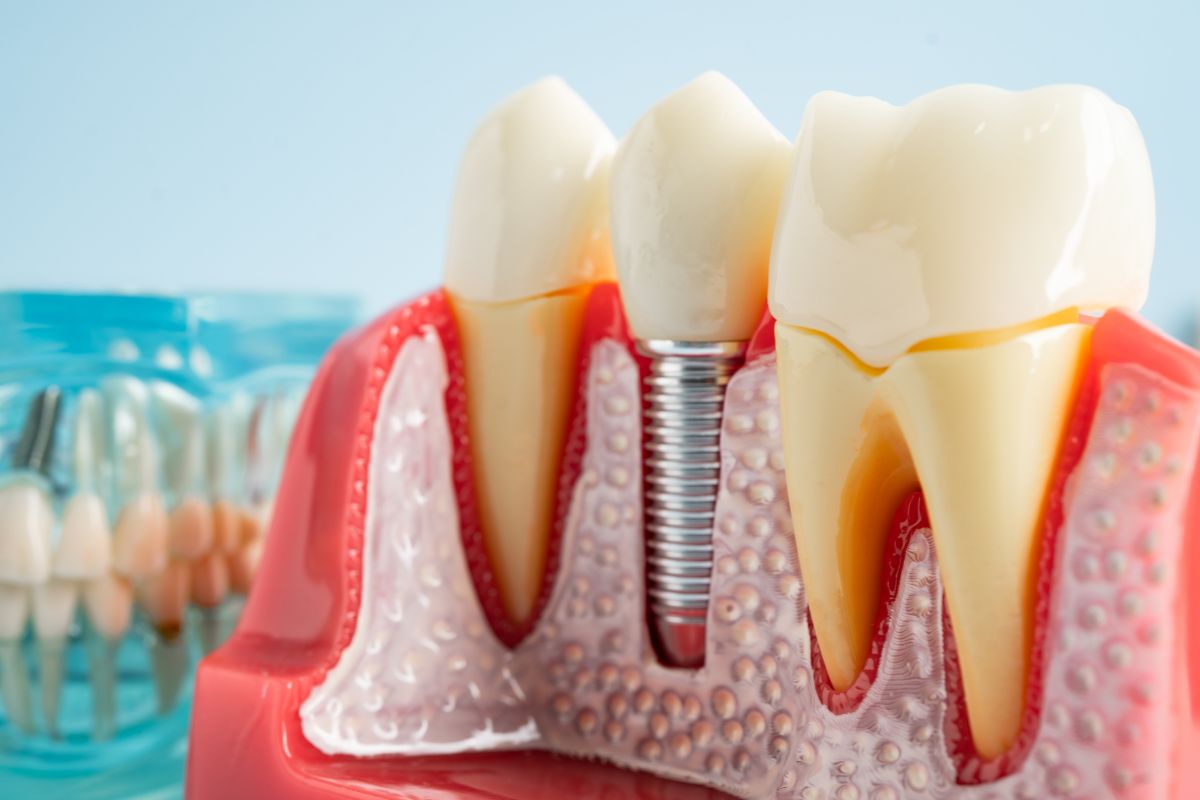
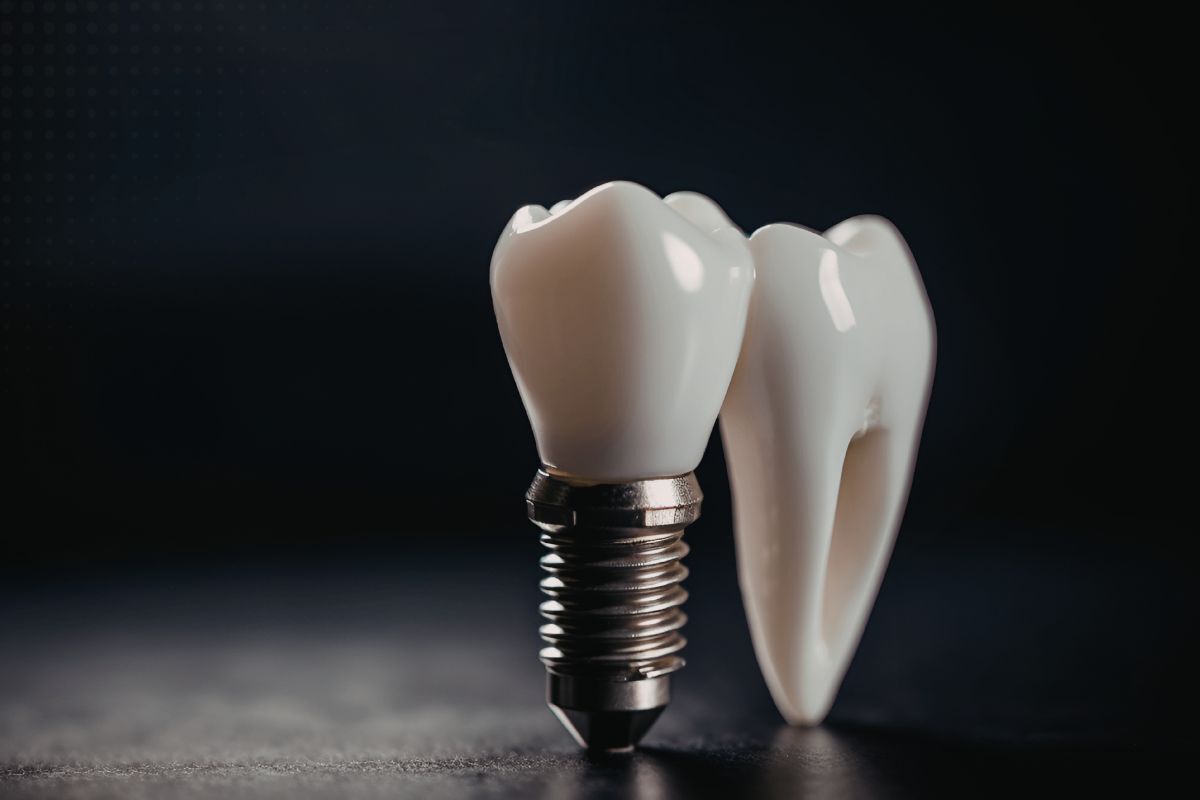
Implants replace both the root and visible portion of the tooth while helping preserve jawbone health.
Dental Bridges
Bridges fill the gap by using adjacent teeth for support.
Dentures
Partial dentures may provide a removable solution for replacing one or more missing teeth.
Your dentist can help determine which option best fits your needs, goals, and oral health condition.
Why Early Evaluation Matters
Every patient’s situation is unique.
A comprehensive dental evaluation allows your dentist to assess:
- Bone health
- Gum condition
- Tooth alignment
- Bite function
- Replacement options
Early intervention often helps prevent additional complications and supports better long-term outcomes.
When you never replace a missing tooth, the consequences can extend far beyond the empty space itself. Tooth movement, bone loss, bite changes, chewing difficulties, and reduced confidence are just a few of the potential complications that may develop over time. Fortunately, modern dentistry offers effective solutions to restore function and protect your oral health. If you have lost a tooth, schedule an appointment with Covaney & Covaney to explore your tooth replacement options and protect your smile for the future.