Call Us Today : (757) 596-6850

Are You Too Old for Dental Implants? What Seniors Should Know

Too old for dental implants is a concern many older adults have when considering tooth replacement. The good news is that age alone rarely determines whether someone is a good candidate for treatment. At Covaney & Covaney in Newport News, Dr. Michael Covaney and Dr. Sharon Covaney understand that many seniors want a comfortable, natural-looking solution for missing teeth. With the right evaluation and personalized treatment plan, many older adults can restore their smiles and enjoy improved oral function and confidence.
Many people assume that implants are only for younger adults. However, dentists focus on your overall health, bone quality, and oral condition rather than the number of birthdays you have celebrated. Understanding what affects candidacy can help you make an informed decision.
Why Age Is Not the Most Important Factor
Growing older naturally changes the body, but those changes do not automatically prevent successful treatment. Many healthy adults in their 60s, 70s, and even 80s receive implants with excellent long-term results.
Instead of focusing on age, your dentist evaluates several important factors, including:
- Overall medical health
- Healthy gums
- Jawbone strength
- Existing oral health conditions
- Daily oral hygiene habits
- Lifestyle choices such as smoking
These factors provide a much clearer picture of whether treatment is appropriate.
What Makes Someone a Good Candidate?
If you have wondered whether you are too old for dental implants, speaking with a trusted dental team is the best place to start. At Covaney & Covaney in Newport News, patients receive personalized evaluations that consider their oral health, medical history, and long-term goals instead of age alone. Many seniors discover they remain excellent candidates after a comprehensive examination.
Healthy Gums Matter
Healthy gums provide the support needed for successful healing. If gum disease is present, your dentist may recommend treatment before moving forward.
Maintaining healthy gums can also improve the long-term success of your restoration.
Adequate Jawbone Support
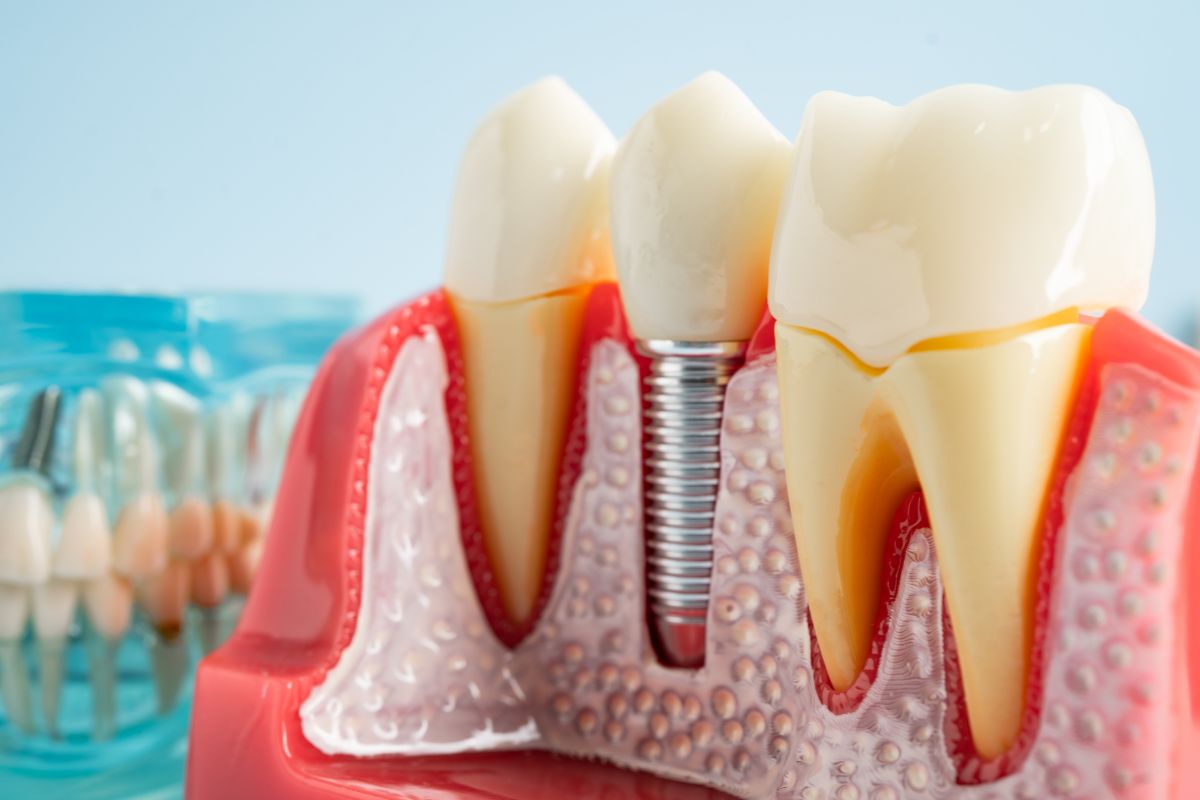
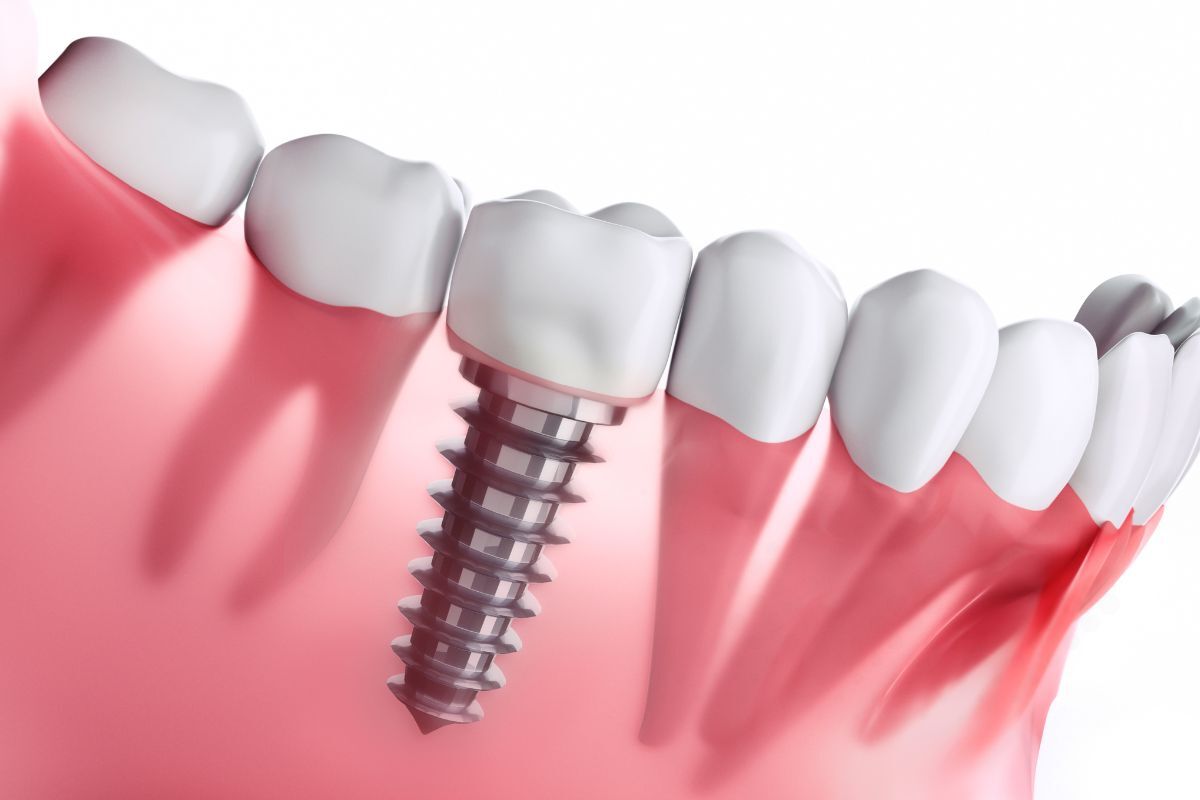
The jawbone anchors the implant securely in place. Bone naturally shrinks after tooth loss, especially when teeth have been missing for many years.
Fortunately, reduced bone volume does not always prevent treatment. In some cases, procedures that rebuild bone can improve support before implant placement.
Good Overall Health
Certain medical conditions require careful planning, but they do not automatically eliminate treatment as an option.
Your dentist will review:
- Current medications
- Diabetes management
- Heart health
- Healing ability
- Previous medical procedures
Working together with your healthcare providers helps create a safe treatment plan.
Benefits for Older Adults
Replacing missing teeth offers more than cosmetic improvement. It can significantly improve daily comfort and quality of life.
Better Chewing Ability
Missing teeth often make eating difficult. Stable tooth replacement allows many seniors to enjoy a wider variety of nutritious foods again.
Improved chewing may also support better digestion and overall health.
Clearer Speech
Missing teeth or loose dentures sometimes affect pronunciation. Replacing missing teeth can improve speech clarity and boost confidence during conversations.
Better Jawbone Support
When a tooth is lost, the jawbone no longer receives regular stimulation. Over time, this may contribute to bone loss.
Implants help stimulate the jawbone during chewing, supporting healthier bone over time.
Increased Confidence
A complete smile often helps people feel more comfortable when smiling, eating, and speaking in social settings.
Many seniors report improved confidence after replacing missing teeth.
Common Concerns Seniors Have
It is normal to have questions before starting treatment.
Is Recovery Difficult?
Healing varies from person to person, but many patients return to their normal routines within a few days after the procedure. Following your dentist’s instructions supports a smoother recovery.
Will the Procedure Be Comfortable?
Modern dental techniques, local anesthesia, and careful treatment planning help make the procedure much more comfortable than many patients expect.
How Long Do They Last?
With proper oral hygiene and regular dental visits, implants can provide long-lasting function. Daily brushing, flossing, and professional cleanings remain essential for maintaining oral health.
Tips for Successful Treatment
You can improve your chances of long-term success by following healthy habits before and after treatment.
Helpful tips include:
- Brush twice each day.
- Floss every day.
- Attend routine dental checkups.
- Control existing medical conditions.
- Avoid smoking whenever possible.
- Follow all post-treatment instructions carefully.
- Eat a balanced diet that supports healing.
Small daily habits make a meaningful difference in protecting your oral health.
If you have been wondering whether you are too old for dental implants, remember that age alone is rarely the deciding factor. Your overall health, gum condition, jawbone support, and commitment to oral care play a much bigger role in determining whether treatment is right for you. At Covaney & Covaney, Dr. Michael Covaney and Dr. Sharon Covaney are committed to helping patients in Newport News explore personalized tooth replacement options that restore comfort, function, and confidence. Schedule your appointment today to learn whether this treatment is right for you.