Call Us Today : (757) 596-6850

Dental Implants vs. Dental Bridges: Which Is Better for Replacing a Missing Tooth?

Losing a tooth can affect more than your smile. It may make chewing difficult, change how nearby teeth fit together, and affect your confidence. Fortunately, modern dentistry offers several ways to replace missing teeth. Two common options are dental implants and dental bridges. Understanding the differences between dental implants vs. dental bridges can help you decide which treatment may suit your oral health needs, lifestyle, and long-term goals.
At Covaney & Covaney in Newport News, Virginia, patients can explore tooth replacement options based on their dental health and individual needs. Although both treatments restore the appearance and function of missing teeth, they differ in how they work, how they are maintained, and how they affect surrounding teeth.
What Is the Difference Between Dental Implants and Dental Bridges?
Dental implants and dental bridges replace missing teeth, but they use different methods to restore your smile.
What Are Dental Implants?
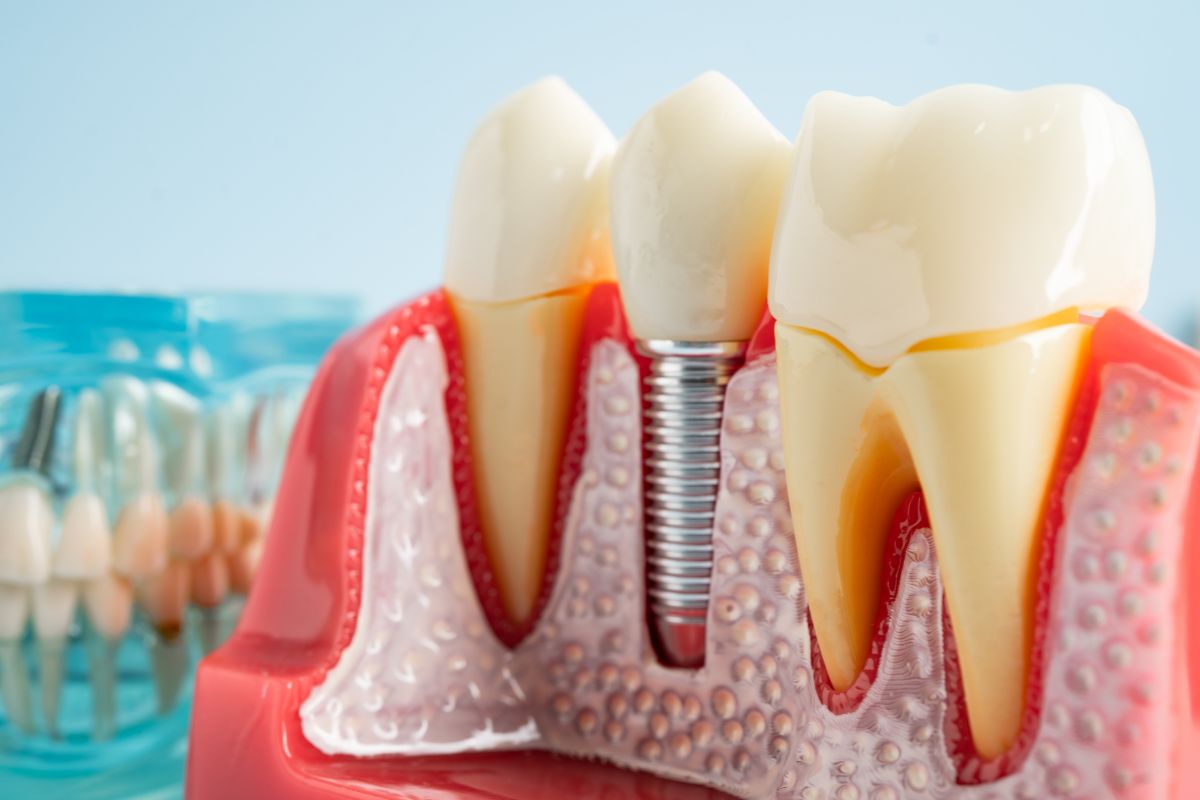
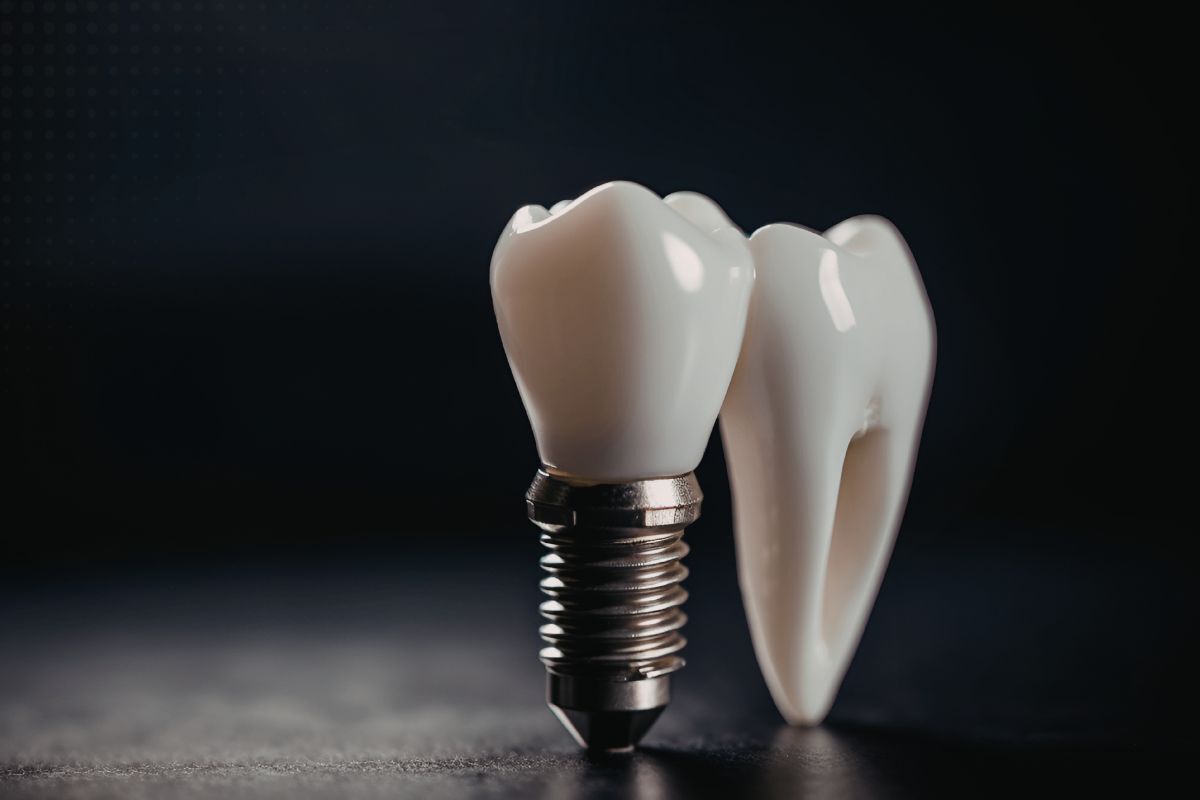
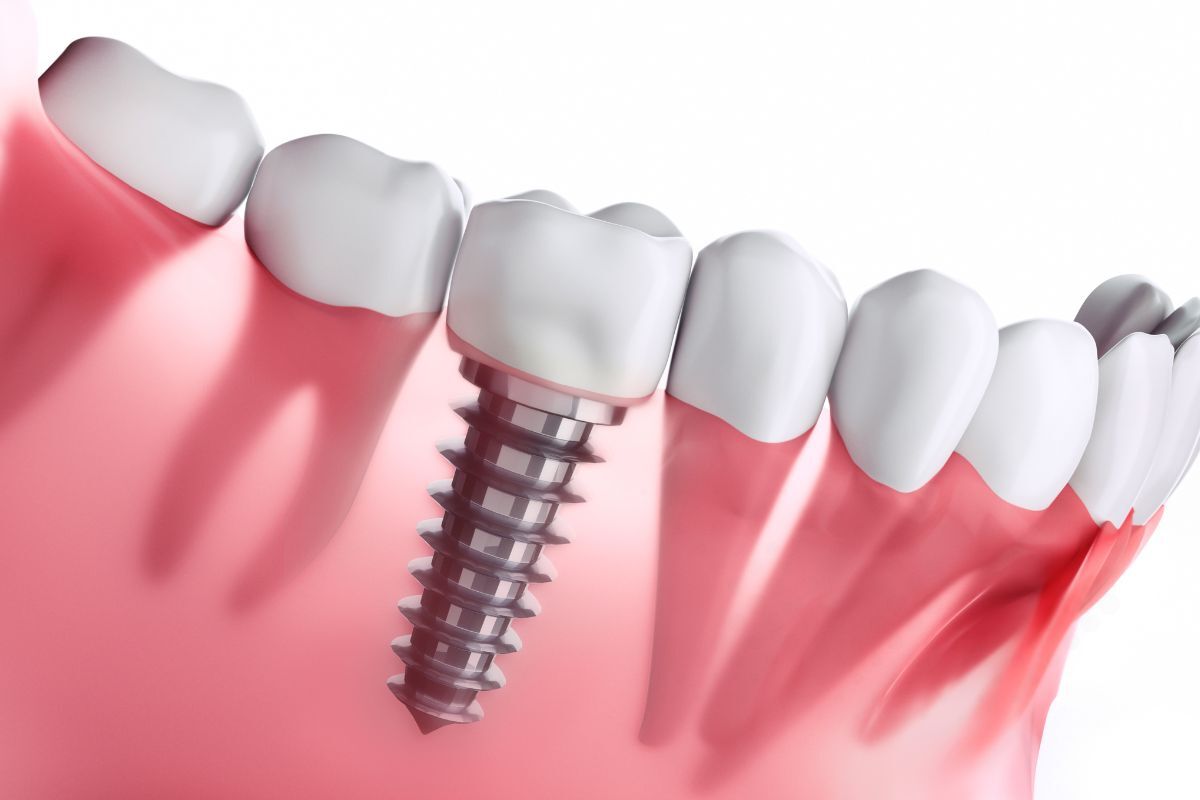
A dental implant is a small post, usually made of titanium, that a dentist or specialist places in the jawbone to replace a missing tooth root. After the implant integrates with the bone, it supports a dental crown that looks and functions much like a natural tooth.
Benefits of Dental Implants
- Support for the jawbone: Implants stimulate the surrounding bone during chewing and can help reduce bone loss in the area.
- No support from neighboring teeth: An implant usually does not require the teeth next to the gap to be reshaped.
- Natural appearance: A custom crown is designed to blend with your existing teeth.
- Long-term function: With proper care and regular dental visits, implants can last for many years.
However, dental implant treatment requires adequate bone support and healthy gums. Some patients may need additional procedures before placement, and the overall process can take several months.
What Are Dental Bridges?
A dental bridge replaces one or more missing teeth by placing artificial teeth in the gap. In a traditional bridge, the teeth next to the gap are prepared to support crowns, which hold the replacement tooth or teeth in place.
Benefits of Dental Bridges
- A shorter treatment timeline: Many traditional bridges can be completed in a few weeks, depending on the case.
- No implant surgery: A conventional bridge does not require a post to be placed in the jawbone.
- Effective tooth replacement: A bridge restores the appearance of the smile and helps improve chewing.
- Useful when implants are unsuitable: Bridges may be an option for patients who cannot undergo implant surgery or prefer a nonsurgical alternative.
Traditional bridges do require special cleaning beneath the replacement tooth. They also rely on neighboring teeth for support, so the condition of those teeth is an important factor.
Dental Implants vs. Dental Bridges: Key Factors to Consider
The right choice depends on several factors, including oral health, treatment preferences, and the condition of nearby teeth.
1. Appearance and Comfort
Both dental implants and bridges can provide a natural-looking replacement for a missing tooth. Dentists select the shape, size, and color of the restoration to match the surrounding teeth.
An implant-supported crown emerges from the gum much like a natural tooth. A bridge fills the gap using an artificial tooth supported by neighboring teeth.
Both options can feel comfortable after the mouth adjusts. The best result depends on the fit of the restoration, your bite, and the health of the surrounding tissues.
2. Treatment Time
Dental bridges generally require less time to complete. After preparing the supporting teeth, the dentist takes impressions or digital scans and places the finished bridge once it is ready.
Dental implants usually require a longer process because the implant needs time to integrate with the jawbone. Healing may take several months, and additional procedures can extend the timeline.
If you need a tooth replaced quickly, ask your dentist about temporary options and whether a bridge or implant is appropriate for your situation.
3. Cost and Long-Term Value
The cost of dental implants and bridges varies depending on the number of teeth being replaced, the materials used, and the complexity of treatment.
An implant may have a higher initial cost because the treatment can involve surgery, an implant post, an abutment, and a crown. A bridge may cost less initially, but it may need replacement or repair over time.
When comparing options, ask for a complete treatment estimate that includes any additional procedures, follow-up visits, and expected maintenance. Dental insurance coverage also varies, so confirm your benefits before starting treatment.
4. Effect on Nearby Teeth
One major difference is how each treatment affects the surrounding teeth.
A traditional bridge usually requires the neighboring teeth to be reshaped to hold supporting crowns. This removes some natural tooth structure, even if those teeth are otherwise healthy.
A dental implant is placed in the gap and typically does not require preparation of adjacent teeth. This can be an advantage when the neighboring teeth are healthy and intact.
However, if the supporting teeth already have large fillings or need crowns, a bridge may be a practical choice.
5. Maintenance and Longevity
Both options need daily cleaning and regular dental checkups.
Brush twice daily with fluoride toothpaste and clean between your teeth every day. Bridges require special attention beneath the artificial tooth, often using a floss threader or an appropriate interdental cleaning aid.
Dental implants also need careful cleaning around the gumline. Although the implant itself cannot develop tooth decay, the surrounding gum and bone can become affected by inflammation or infection.
Neither treatment lasts forever. The lifespan of an implant or bridge depends on oral hygiene, bite forces, the condition of supporting tissues, and regular professional care.
How to Decide Between Dental Implants and Dental Bridges
Choosing between dental implants and dental bridges starts with a dental examination. Your dentist will assess your gum health, jawbone support, neighboring teeth, and overall oral health before recommending a treatment.
When Are Dental Implants a Better Choice?
Dental implants may be suitable if you have healthy gums, sufficient jawbone support, and want to replace a missing tooth without reshaping the neighboring teeth. They can also help preserve the jawbone in the area where the tooth was lost.
Your dentist may recommend additional procedures, such as bone grafting, if you do not have enough bone to support an implant. Certain health conditions, smoking, and other factors may also affect treatment suitability and healing.
When Might a Dental Bridge Be More Suitable?
A dental bridge may be a practical option if you want to replace a missing tooth without implant surgery. It may also make sense when the teeth next to the gap already need crowns or have significant existing restorations.
A bridge can often be completed faster than an implant, but the supporting teeth must be strong enough to hold the restoration. Your dentist will evaluate their condition before recommending this option.
What Should You Discuss With Your Dentist?
Before making a decision, ask about the following factors:
- Oral health: Are your gums, jawbone, and neighboring teeth healthy enough for the proposed treatment?
- Treatment time: How long will the procedure and healing process take?
- Total cost: What will the treatment cost, including any additional procedures and follow-up care?
- Long-term maintenance: How will you clean the restoration, and what repairs or replacements might be needed?
- Personal preferences: Do you prefer to avoid surgery, preserve neighboring teeth, or minimize treatment time?
Ultimately, the best choice depends on your dental condition, treatment goals, and budget. A personalized examination can help you compare both options and understand which approach is appropriate for your smile.
Restore Your Smile With the Right Tooth Replacement Option
Replacing a missing tooth can help restore chewing function, support your smile, and prevent some of the problems associated with gaps between teeth. Dental implants and bridges both offer effective solutions, but their benefits and limitations differ.
If you are considering dental implants or a bridge, Covaney & Covaney in Newport News, Virginia, can help you understand your options and choose a treatment suited to your needs. Schedule your appointment to discuss your tooth replacement options and take the next step toward a healthier, more complete smile.