Call Us Today : (757) 596-6850

Bad Breath: Causes, Remedies, and When to See a Dentist

Bad breath, also known as halitosis, can be an embarrassing problem that affects your confidence and interactions. Whether it’s caused by poor oral hygiene or an underlying issue, addressing bad breath often requires guidance from a dentist. In this blog, we will explore the causes of bad breath, remedies you can try at home, and when to seek professional help.
What Causes Bad Breath?
Bad breath can result from various factors, ranging from lifestyle habits to medical conditions. Understanding the root cause is the first step toward fresher breath.
Common Causes of Bad Breath:
- Poor Oral Hygiene: Not brushing or flossing regularly allows food particles to remain in your mouth, promoting bacteria growth.
- Dry Mouth: Saliva helps cleanse the mouth, so a lack of it can lead to bad breath.
- Diet Choices: Strong-smelling foods like garlic, onions, and certain spices can leave lingering odors.
- Tobacco Use: Smoking or chewing tobacco can cause bad breath and other oral health issues.
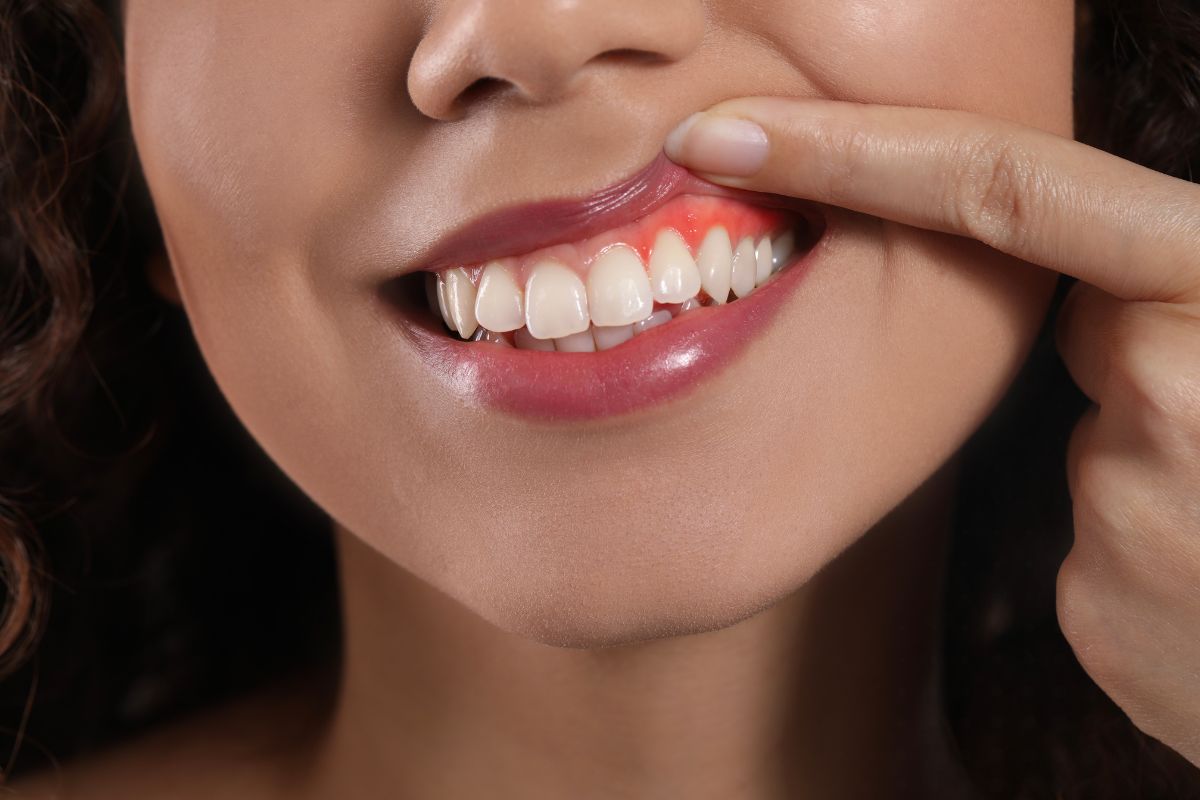
- Oral Infections: Cavities, gum disease, and infections can contribute to persistent bad breath.
- Underlying Health Conditions: Issues like sinus infections, acid reflux, or diabetes can also be culprits.
If bad breath continues even with good oral care, consider seeing an experienced dentist at Covaney & Covaney for a thorough evaluation.
Simple Remedies to Freshen Your Breath
While professional help is often necessary for chronic bad breath, there are several remedies you can try at home:
- Brush and Floss Regularly: Clean your teeth twice a day and floss daily to remove food particles and plaque.
- Clean Your Tongue: Use a tongue scraper or brush your tongue to remove bacteria.
- Stay Hydrated: Drinking water can help prevent dry mouth and wash away food debris.
- Chew Sugar-Free Gum: This stimulates saliva production and freshens your breath.
- Avoid Certain Foods: Limit intake of foods that are known to cause strong odors.
- Use Mouthwash: Choose an antibacterial mouthwash to kill bacteria and leave your breath smelling fresh.
When to See a Dentist
While remedies can help manage occasional bad breath, persistent issues may require professional intervention. Here are some signs that it’s time to see a dentist:
- Chronic Bad Breath: If the problem persists despite good oral hygiene.
- Pain or Discomfort: It is accompanied by toothache or gum pain that may indicate an infection.
- Bleeding Gums: This can be a sign of gum disease, which often causes bad breath.
- Unusual Symptoms: If bad breath is paired with symptoms like a sore throat, fever, or digestive issues, a dentist can help rule out oral causes.
Don’t hesitate to consult your dentist for a personalized treatment plan that addresses the underlying cause of bad breath.
FAQs on Bad Breath
1. What is the most common cause of bad breath?
The most common cause of bad breath is poor oral hygiene. When food particles remain in the mouth, bacteria break them down, producing unpleasant odors.
2. Can bad breath be a sign of a serious health issue?
Yes, persistent bad breath can sometimes indicate underlying conditions such as gum disease, sinus infections, acid reflux, or even diabetes, so it’s important to get it checked.
3. How can I quickly freshen my breath at home?
You can brush and floss, clean your tongue, drink plenty of water, chew sugar-free gum, and use an antibacterial mouthwash. For personalized care, Covaney & Covaney can provide professional guidance.
4. When should I see a dentist for bad breath?
If bad breath continues despite good oral hygiene or is accompanied by symptoms like bleeding gums, pain, or a bad taste in your mouth, it’s time to see a dentist.
5. Can a dentist permanently fix bad breath?
A dentist can identify the root cause of bad breath and provide targeted treatment for long-term relief. At Covaney & Covaney, patients receive comprehensive care to support lasting oral health.
Bad breath doesn’t have to hold you back. By understanding its causes and taking proactive steps, you can enjoy a fresher, healthier smile. Start with small changes, like brushing regularly and staying hydrated, to keep your breath fresh every day. If these remedies aren’t enough, seeking professional advice can make all the difference—schedule your appointment today for expert care and a brighter smile.