Call Us Today : (757) 596-6850

Bleeding Gums: Causes and When to Worry
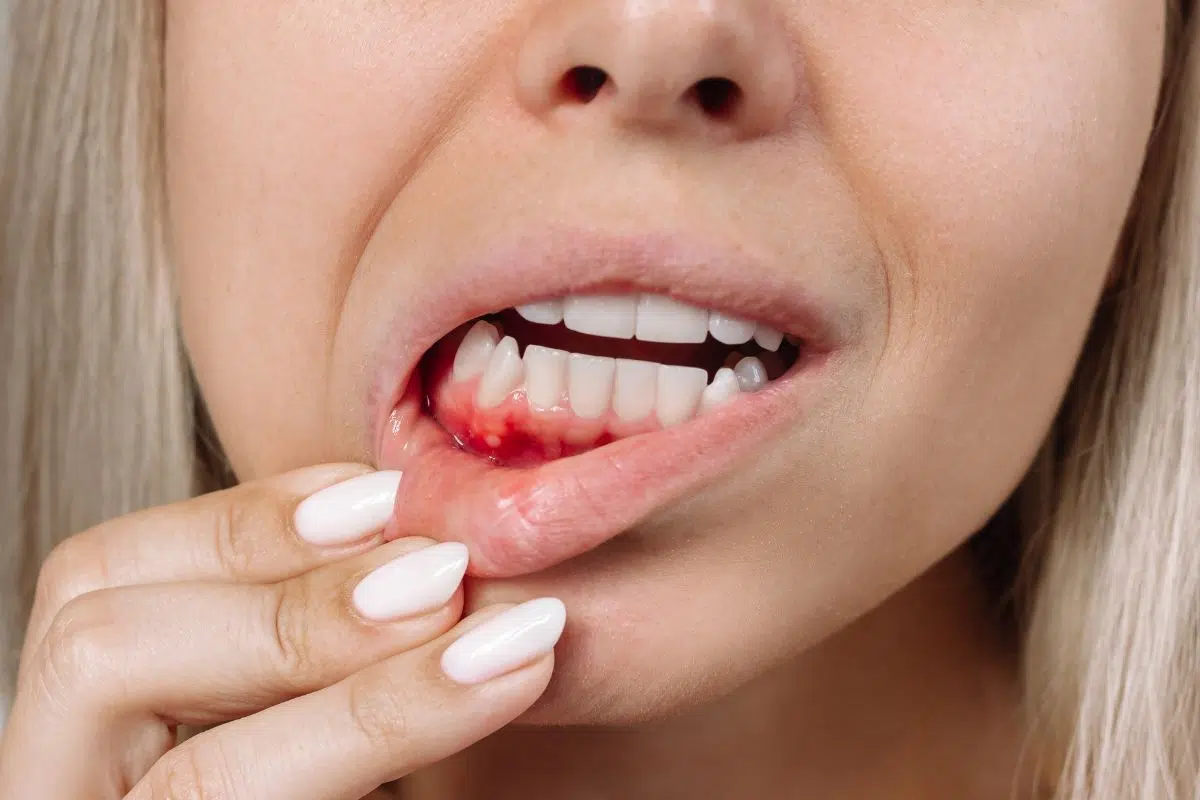
Bleeding gums can seem like a minor issue at first, especially if it happens only while brushing or flossing. However, this common symptom often signals deeper problems that should not be ignored. At Covaney & Covaney in Newport News, we often help patients understand that early attention can prevent more serious oral health concerns.
Your gums play a vital role in protecting your teeth and supporting overall oral health. When they start to bleed, it is your body’s way of telling you something is wrong. The good news is that most causes are manageable when identified early.
What Is Bleeding Gums?
Understanding the Condition
Bleeding gums occur when the soft tissue around your teeth becomes irritated or inflamed. This irritation often leads to redness, swelling, and bleeding during routine activities like brushing.
Healthy gums should not bleed easily. So, if you notice blood regularly, it is important to find the cause.
Why It Happens During Daily Care
You may see bleeding while brushing or flossing because:
- Plaque has built up along the gumline
- Gums have become sensitive due to inflammation
- You are applying too much pressure while brushing
Although occasional bleeding may not seem serious, frequent episodes should not be ignored.
Common Causes of Bleeding Gums
1. Gum Disease (Gingivitis and Periodontitis)
The most common cause of bleeding gums is gum disease. It starts with gingivitis, which is a mild form of gum inflammation.
Signs of early gum disease include:
- Red and swollen gums
- Bleeding while brushing
- Bad breath
If untreated, it can progress into periodontitis, a more serious condition that affects the bone supporting your teeth.
2. Poor Oral Hygiene
When you skip brushing or flossing, plaque builds up on your teeth. Over time, this plaque hardens into tartar, which irritates the gums.
As a result:
- Gums become inflamed
- Bleeding becomes more frequent
- Risk of infection increases
Maintaining a proper routine can prevent these issues.
3. Brushing Too Hard
Many people believe that brushing harder cleans better. In reality, aggressive brushing can damage your gums.
This can lead to:
- Gum irritation
- Recession of gum tissue
- Increased sensitivity
Using a soft-bristled toothbrush and gentle strokes is more effective.
4. Hormonal Changes
Hormonal fluctuations, especially during pregnancy, puberty, or menopause, can make gums more sensitive.
During these times:
- Blood flow to gums increases
- Gums react more strongly to plaque
- Bleeding may occur more easily
Extra care is important during these periods.
When Should You Worry About Bleeding Gums?
Warning Signs That Need Attention
Not all cases are serious, but certain symptoms indicate the need for professional care.
You should seek help if you notice:
- Bleeding that continues for several days
- Swollen or painful gums
- Gums pulling away from teeth
- Loose teeth
- Persistent bad breath
In my experience, patients often ignore these signs until the condition worsens. If you are dealing with bleeding gums, consulting an experienced Newport News dentist at Covaney & Covaney can help you identify the exact cause and start treatment early.
How to Prevent Bleeding Gums
Simple Daily Habits That Work
Preventing gum problems starts with consistent care. Small changes in your routine can make a big difference.
Follow these steps:
- Brush twice daily with a soft toothbrush
- Floss gently every day
- Use an antibacterial mouthwash
- Replace your toothbrush regularly
- Maintain a balanced diet
These habits help keep your gums strong and healthy.
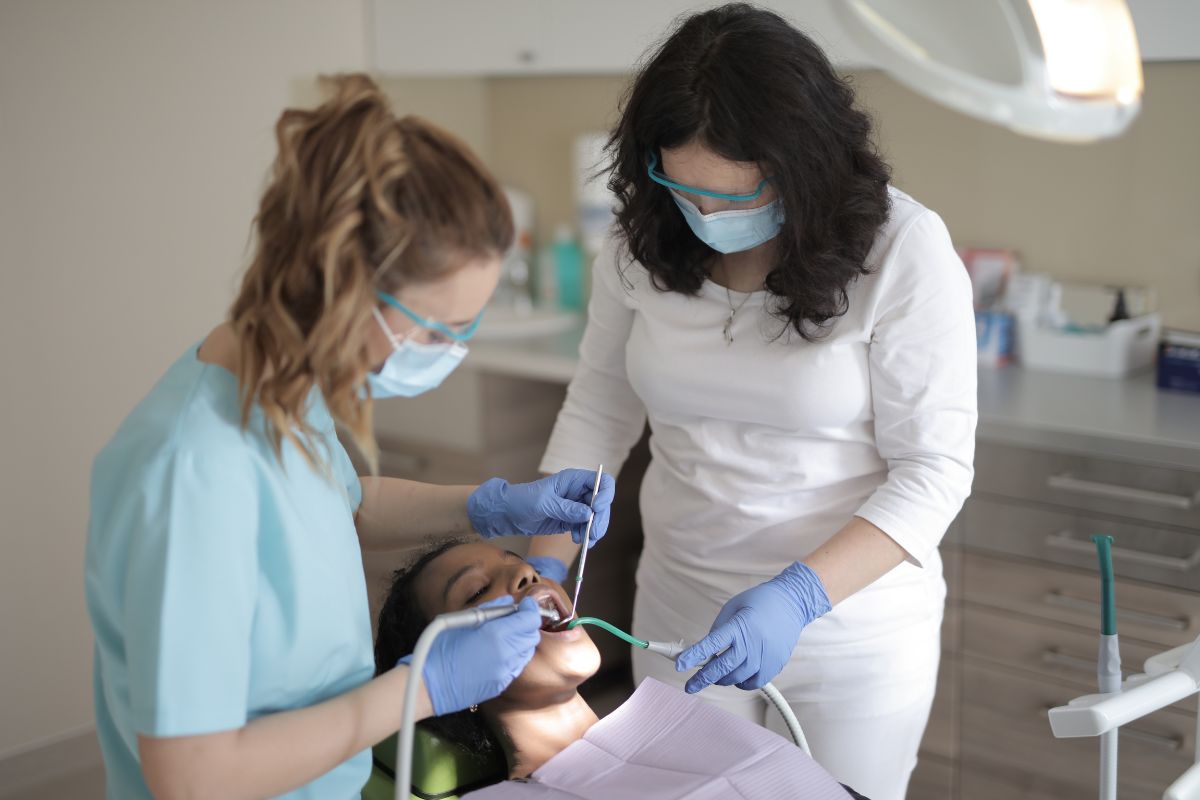
Professional Treatments for Gum Issues
What to Expect at the Dental Office
If home care is not enough, your dentist may recommend professional treatment.
Common options include:
- Scaling and root planing: Deep cleaning to remove plaque below the gumline
- Antibiotic therapy: Helps control bacterial infection
- Advanced procedures: For severe gum disease
Early treatment is always simpler and more effective than waiting.
The Connection Between Gum Health and Overall Health
Why It Matters Beyond Your Mouth
Gum health affects more than just your oral health. Research shows links between gum disease and other health problems.
These include:
- Heart disease
- Diabetes Complications
- Respiratory issues
Therefore, taking care of your gums supports your overall well-being.
Bleeding gums should never be ignored, even if the problem seems minor at first. They often signal inflammation, poor oral hygiene, or the early stages of gum disease. By paying attention to the warning signs and improving your daily habits, you can prevent serious complications.
If you continue to notice bleeding or discomfort, it is important to take action. The team at Covaney & Covaney in Newport News provides personalized care to help protect your oral health. Visit our dental office today or schedule your appointment to get the right treatment before it gets worse.