Call Us Today : (757) 596-6850

Bone Grafting for Dental Implants: What You Need to Know
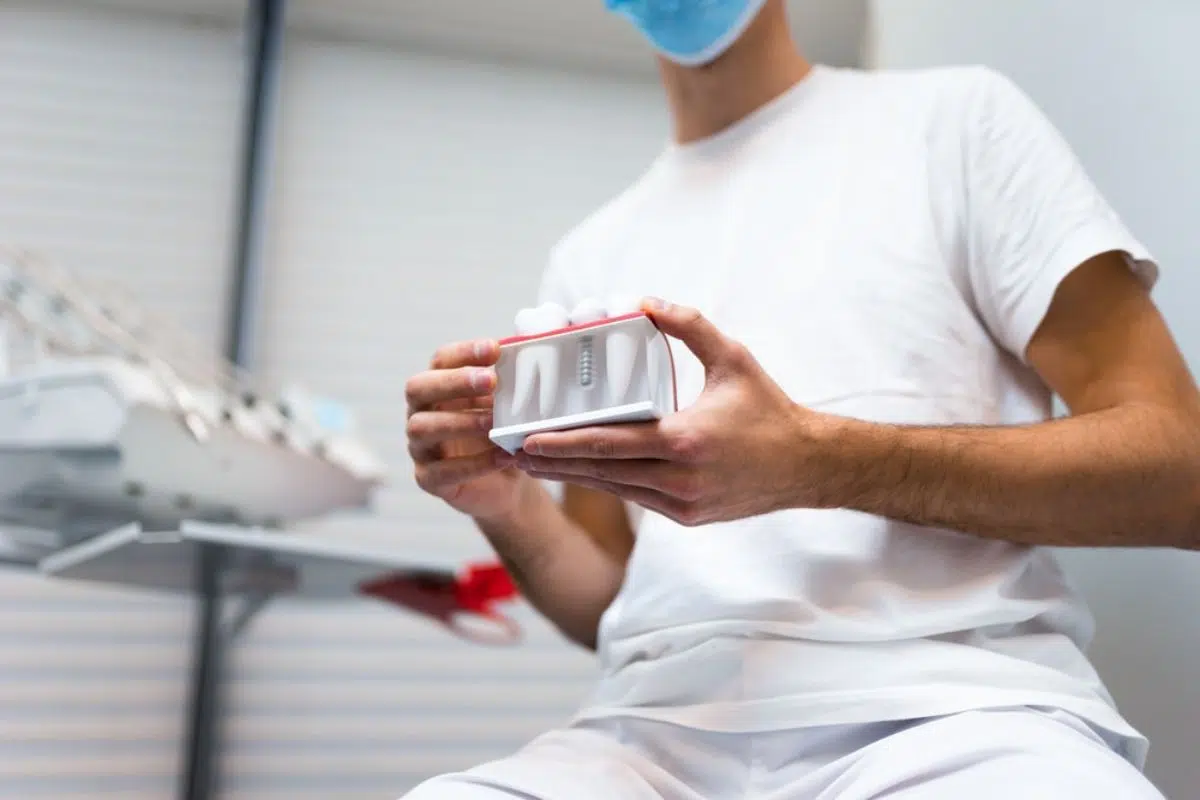
If you’re considering dental implants, you may have heard about bone grafting. This procedure strengthens the jawbone, ensuring a solid foundation for your implants. If you have experienced bone loss due to missing teeth, gum disease, or injury, a bone graft may be necessary. Understanding the process will help you feel more confident about your treatment and make informed decisions about your oral health.
What Is Bone Grafting?
Bone grafting is a procedure designed to restore your jawbone so that it can support dental implants. If your jawbone has weakened over time, this treatment can help rebuild it, making implant placement possible. Your dentist will guide you through the best options tailored to your needs.
Why Might You Need Bone Grafting?
You may need a bone graft if:
- You’ve lost teeth: Over time, missing teeth can lead to bone deterioration.
- You’ve had gum disease: This can weaken your jawbone.
- You’ve experienced an injury: Accidents or trauma may cause bone loss.
- You naturally have a thinner jawbone: Some people do not have enough bone for implants from the start.
Without a strong jawbone, dental implants may not integrate properly, increasing the risk of failure. For those considering dental implants in Newport News, bone grafting helps create the foundation needed for a healthy, long-lasting smile.
Types of Bone Grafts
Your dentist will recommend the best bone grafting option for you based on your condition. The most common types include:
1. Autograft
- Uses your own bone, often from your chin or hip.
- Low risk of rejection and promotes natural healing.
2. Allograft
- Uses bone from a human donor, processed for safety.
- Eliminates the need for a second surgical site.
3. Xenograft
- Bone is taken from an animal source, usually bovine (cow).
- Provides a strong structure for new bone growth.
4. Alloplastic Graft
- Uses synthetic materials to stimulate bone growth.
- A great option if you prefer a non-biological graft.
What to Expect During the Procedure
Understanding what happens during bone grafting can ease any anxiety. Here’s what you can expect:
- Consultation: Your dentist will assess your jawbone using X-rays or CT scans.
- Preparation: Anesthesia is given to ensure comfort.
- Graft Placement: The bone graft is carefully placed in the area where reinforcement is needed.
- Healing Time: Over several months, the graft fuses with your natural bone.
- Implant Placement: Once healed, your dental implant can be placed securely.
Recovery and Aftercare
Healing time varies, but most patients recover within three to six months. To ensure a smooth recovery:
- Stick to soft foods to avoid pressure on the grafted area.
- Follow your dentist’s guidance on oral hygiene to prevent infection.
- Take prescribed medications as directed.
- Attend follow-up visits to monitor your healing progress.
Benefits and Considerations
Why Bone Grafting Can Benefit You
- Strengthens your jawbone for a secure implant.
- Prevents further bone loss and preserves your facial structure.
- Increases the success rate of dental implants.
Things to Keep in Mind
- Some swelling and mild discomfort is normal.
- Healing takes time before implants can be placed.
- Following your dentist’s instructions will help ensure success.
Final Thoughts
If you’ve been told you need bone grafting for dental implants, don’t worry—this procedure is a common and effective way to restore your jawbone. At Covaney & Covaney, our team will work closely with you to create a treatment plan tailored to your needs. Visit our dental office in Newport News to receive expert care and guidance. With proper care and patience, you’ll be on your way to a confident, healthy smile.