Call Us Today : (757) 596-6850

Independence Day Special: Discover the Benefits of Dental Implants
Are you tired of dealing with missing teeth or uncomfortable dentures? This Independence Day, why not give yourself the gift of a confident and radiant smile? Dental implants are revolutionizing the world of dentistry, providing a permanent solution for tooth loss. Whether you’re missing one tooth or multiple teeth, dental implants can restore your smile and improve your quality of life. In this special blog post, we’ll explore the incredible benefits of dental implants and how they can transform your oral health. Get ready to discover a whole new level of independence with dental implants in Newport News!
What are dental implants?
Dental implants are a cutting-edge solution for replacing missing teeth. Unlike traditional dentures or bridges, which sit on top of the gums, dental implants are surgically placed into the jawbone to provide a strong and stable foundation for replacement teeth.
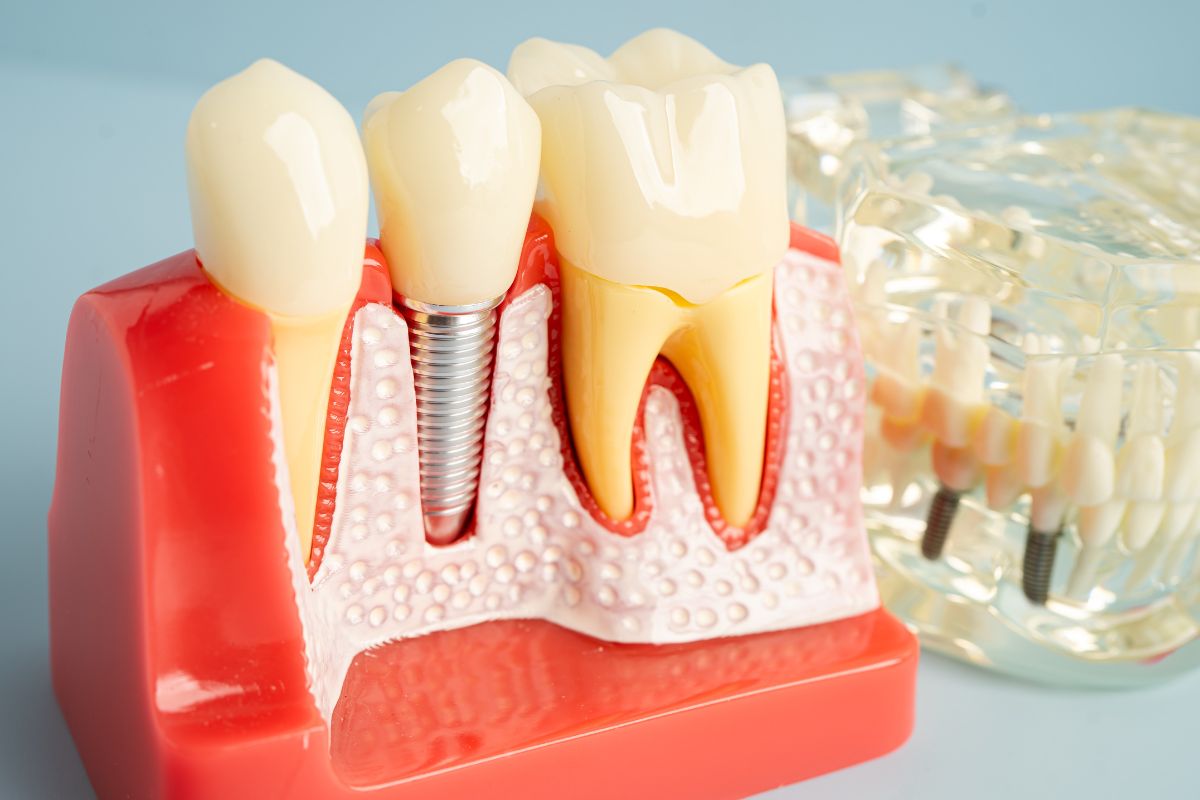
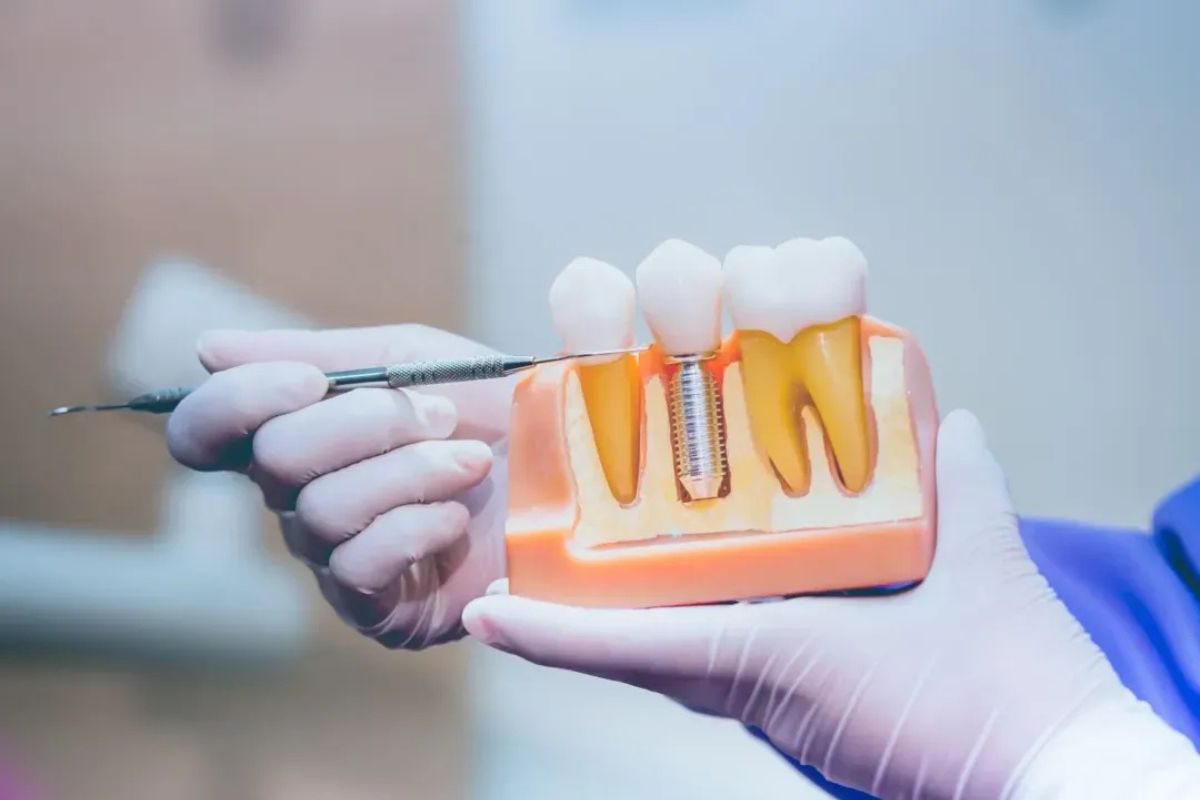
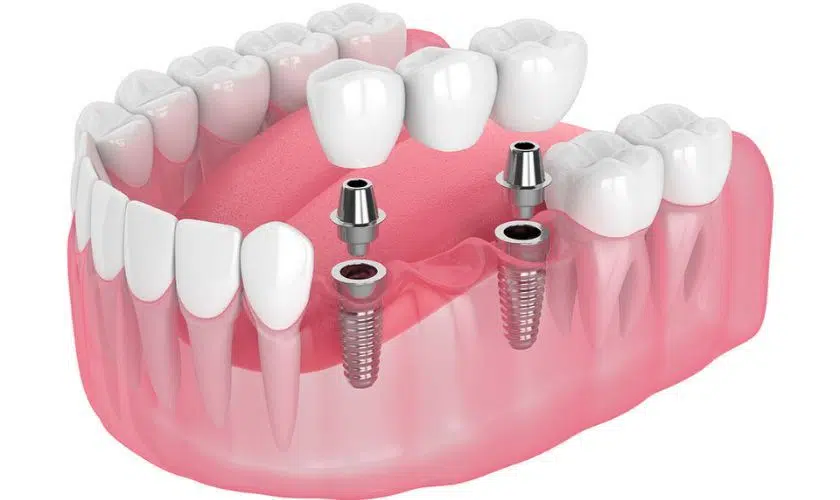
The implant itself is typically made of titanium, a biocompatible material that fuses with the surrounding bone over time through a process called osseointegration. This creates an incredibly durable and long-lasting bond between the implant and the jawbone.
Once the implant has fully integrated with the bone, an abutment is attached to it. The abutment acts as a connector between the implant and the final restoration – whether it’s a crown, bridge, or denture – which is custom-made to match your natural teeth in color, shape, and size.
One of the biggest advantages of dental implants is their ability to restore not only your smile but also your oral function. With traditional removable dentures or bridges, eating certain foods can be challenging or uncomfortable. However, dental implants allow you to enjoy all your favorite foods without any restrictions.
Moreover, dental implants offer improved comfort compared to other tooth replacement options. Since they become part of your jawbone structure over time, they feel just like natural teeth – no more worries about slippage or discomfort while speaking or chewing.
Another key benefit of dental Implants is that they help preserve overall oral health by preventing bone loss in the jaw area. When you lose a tooth root due to extraction or decay, this can lead to gradual deterioration of underlying bone tissue. Dental implants stimulate new bone growth and maintain proper alignment and density in your jawbone.
Furthermore,n unlike bridges that require neighboring healthy teeth for support (which may need alteration), dental implants do not rely on adjacent teeth at all. They stand independently within your mouth without impacting nearby healthy teeth structures.
Whether you’re missing one tooth or multiple teeth throughout your mouth, dental implants can be customized to suit your specific needs. Your dentist will assess
The benefits of dental implants
Dental implants offer a multitude of benefits that can greatly improve your oral health and quality of life. One of the most significant advantages is their ability to restore functionality to missing teeth. Unlike other tooth replacement options, such as dentures or bridges, dental implants are securely anchored into the jawbone, providing a strong and stable foundation for chewing and speaking.
In addition to improved function, dental implants also have aesthetic benefits. They look and feel like natural teeth, enhancing your smile and boosting your self-confidence. With proper care, they can last a lifetime, making them a long-term solution for tooth loss.
Another advantage of dental implants is that they help maintain bone density in the jaw. When you lose a tooth, the surrounding bone may deteriorate over time. Implants stimulate the underlying bone tissue through osseointegration – the process by which the implant fuses with the jawbone – preventing further bone loss.
Furthermore, dental implants do not rely on adjacent teeth for support like traditional bridges do. This means that neighboring healthy teeth remain intact without being impacted or compromised.
Moreover, unlike removable dentures that can slip or cause discomfort while eating or speaking, dental implants are permanently fixed in place so you can enjoy meals without worry or embarrassment.
The benefits of dental implants extend beyond oral health—they also contribute to overall well-being by improving speech clarity and supporting facial structure integrity.
Dental implants provide numerous advantages including improved functionality for eating and speaking; enhanced aesthetics; preservation of jawbone density; protection of adjacent healthy teeth; increased comfort during daily activities such as eating and talking; better speech clarity; maintenance of facial structure integrity
The types of dental implants
When it comes to dental implants, there are different types that can be used based on your specific needs. One type is the endosteal implant, which is the most common type of implant used. It involves placing a screw-like post directly into the jawbone, acting as an anchor for a replacement tooth or multiple teeth.
Another type of dental implant is the subperiosteal implant, which is placed on top of the jawbone but underneath the gum tissue. This type of implant may be used if you have a shallow jawbone or if you are unable to undergo bone augmentation procedures.
In some cases, mini implants may also be considered. These are smaller in size and diameter compared to traditional implants and can be a suitable option for patients with less bone density or who require less support for their dental restoration.
All-on-4 implants are another option available for those who need full arch restoration. With this technique, four strategically placed implants support a complete set of upper or lower teeth.
Determining the right type of dental implant will depend on factors such as your oral health condition, bone structure, and individual preferences. Consulting with a qualified dentist will help guide you toward making an informed decision about which type of dental implant is best suited for you
How to get dental implants
So, you’ve decided to explore the world of dental implants? That’s great news! Dental implants are an excellent solution for replacing missing teeth and restoring your smile. But how do you go about getting dental implants?
First and foremost, it’s important to find a reputable and experienced dentist who specializes in implant dentistry. Do your research and read reviews to ensure you’re choosing the best professional for the job.
During your initial consultation, the dentist will thoroughly examine your mouth and take images such as X-rays or CT scans. This helps them determine if you’re a suitable candidate for dental implants.
If everything looks good, the next step is the implant placement procedure itself. This typically involves placing a titanium post into the jawbone as a replacement root for the missing tooth. The healing process can take several months as the implant fuses with the bone.
Once healing is complete, an abutment is attached to connect the implant with a custom-made crown that matches your natural teeth perfectly. Your new implant-supported tooth will look and function just like a real one!
Remember that proper oral hygiene is crucial when it comes to maintaining your dental implants. Regular brushing, flossing, and routine visits to your dentist will help keep them in tip-top shape.
Getting dental implants may require some time and patience but trust us; it’s definitely worth it in terms of aesthetics, functionality, and overall oral health improvement!
Ready to embark on this transformative journey? Consult with an expert today!
Conclusion
In this Independence Day special blog post, we have explored the incredible benefits of dental implants. These innovative tooth replacements offer a permanent solution for missing teeth, allowing you to regain your confidence and enjoy a natural-looking smile.
By choosing dental implants, you can improve your oral health by preventing bone loss and maintaining the integrity of your jawbone. Unlike other tooth replacement options, dental implants are designed to fuse with the bone, providing a stable foundation for artificial teeth.
There are various types of dental implants available, including endosteal and subperiosteal implants. Your dentist will assess your specific needs to determine which option is most suitable for you.