Call Us Today : (757) 596-6850

How to Remove Tartar From Teeth: Professional vs. At-Home Methods

Maintaining a clean and healthy smile starts with learning how to remove tartar from teeth before it causes long-term damage. When plaque hardens, it sticks firmly to the tooth surface and brushing alone no longer works. Understanding the right methods, both professionally and at home, helps you protect your gums, avoid cavities, and keep your breath fresh.
This guide explains what hardened buildup is, how it forms, and which options work best for safe and lasting results.
What Is Tartar and Why Does It Form?
Plaque forms on teeth every day from food particles and bacteria. When plaque stays on the teeth for too long, it hardens and bonds to the enamel. Once that happens, normal brushing cannot break it down.
Several factors increase buildup, including:
- Inconsistent brushing and flossing
- Diets high in sugar or starch
- Smoking or tobacco use
- Dry mouth or low saliva flow
Over time, this buildup irritates the gums and raises the risk of gum disease. That is why early care matters.
Why It Is Important to Remove Hardened Buildup Early
If left untreated, hardened plaque can lead to swollen gums, bleeding, and even bone loss around the teeth. It also creates a rough surface that attracts more bacteria, speeding up oral health problems.
Right after this point, it helps to know that patients who want to remove tartar from their teeth safely often benefit from guidance from a trusted Newport News dentist at Covaney & Covaney. Personalized care ensures that buildup gets removed without harming enamel or gums, while also preventing future issues.
Professional Methods to Remove Tartar From Teeth
Dental professionals use specialized tools and training to clean teeth thoroughly. These methods offer the safest and most complete results.
1. Professional Dental Cleaning
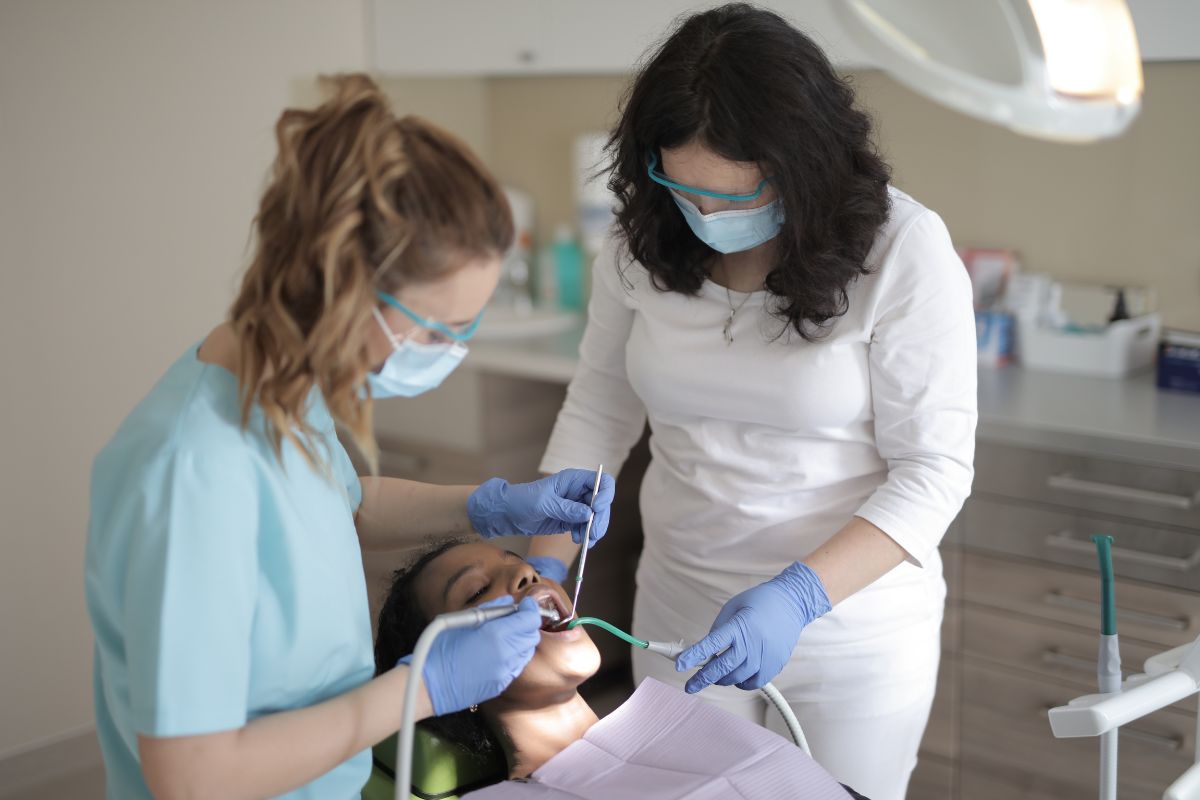
A routine dental cleaning remains the most effective way to handle hardened buildup. During the visit, a hygienist uses scaling tools to gently remove deposits from above and below the gumline.
Benefits include:
- Complete removal from hard-to-reach areas
- Reduced gum inflammation
- Smoother tooth surfaces that resist future buildup
2. Deep Cleaning (Scaling and Root Planing)
When buildup extends below the gums, dentists may recommend a deep cleaning. This process cleans the roots of the teeth and helps gums reattach properly.
This option works best for patients showing early signs of gum disease.
3. Advanced Dental Tools
Modern dental offices use ultrasonic scalers that break down deposits with vibration and water spray. These tools speed up treatment and improve comfort.
Professional care remains the gold standard to remove tartar from teeth safely and fully.
At-Home Methods: What Helps and What Does Not
At-home care plays a key role in prevention, but it has limits once buildup hardens.
Effective At-Home Prevention Tips
While you can’t remove hardened deposits on your own, these habits slow new buildup:
- Brush twice daily with fluoride toothpaste
- Use a soft-bristled toothbrush
- Floss once a day to clean between teeth
- Rinse with an antibacterial mouthwash
These steps reduce plaque before it hardens.
Popular Myths About DIY Removal
Some online tips claim that scraping teeth or using harsh substances works. These methods often damage enamel or irritate gums.
Avoid:
- Metal tools or sharp objects
- Baking soda scrubs used aggressively
- Acidic solutions like lemon juice
These approaches do more harm than good.
Professional vs At-Home Methods: A Clear Comparison
Understanding the difference helps you make smarter choices for your oral health.
Professional Care Offers:
- Safe and complete removal
- Gum health protection
- Long-term prevention guidance
At-Home Care Offers:
- Daily plaque control
- Support between dental visits
- Lower risk of future buildup
For lasting results, both methods must work together. At-home care maintains results, while professional visits handle what home tools cannot.
How Often Should You Get a Professional Cleaning?
Most people benefit from cleanings every six months. However, some may need more frequent visits due to gum health, smoking habits, or medical conditions.
Your dentist will recommend a schedule based on your needs. Following that plan lowers the chance of buildup returning.
Tips to Prevent Future Buildup Naturally
After you remove tartar from teeth professionally, prevention becomes easier. Try these practical steps:
- Drink plenty of water during the day
- Limit sugary snacks between meals
- Replace your toothbrush every three months
- Schedule regular dental checkups
Small daily habits make a big difference over time.
Choosing the Right Approach for Your Smile
Learning how to remove tartar from teeth helps you take control of your oral health. Professional treatments provide safe and complete results, while consistent home care keeps your smile strong between visits. Together, they form the best defense against gum disease and tooth damage.
If you are ready to protect your smile, visit our dental office at Covaney & Covaney and schedule an appointment today. Our experienced team proudly serves patients in Newport News, offering personalized cleanings and preventive care designed for long-term oral health.