Call Us Today : (757) 596-6850

Old Dental Fillings Causing Pain or Sensitivity: Signs You Need a Replacement
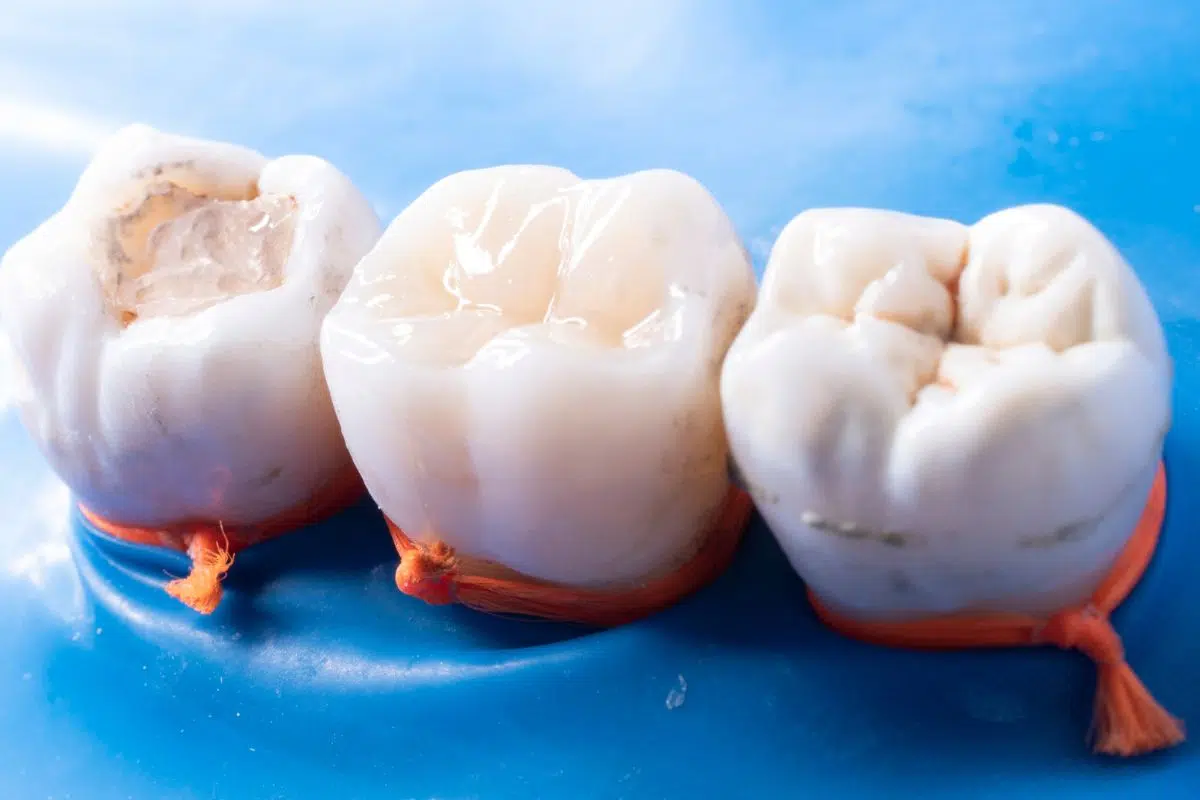
A tooth that once felt completely normal may begin to hurt years after a filling. Old dental fillings causing pain can indicate wear, damage around the edges, or new decay beneath the restoration. At Covaney & Covaney in Newport News, Dr. Michael Covaney and Dr. Sharon Covaney help patients understand changes in their teeth and determine whether an existing filling still provides adequate protection. Although fillings can last for many years, they do not last forever.
Why Can Old Dental Fillings Start to Hurt?
Dental fillings repair teeth affected by cavities or limited damage. However, chewing pressure, temperature changes, and everyday wear can affect a filling over time.
If you notice new sensitivity or discomfort around an older restoration, the dentist will examine the filling and the surrounding tooth. Depending on the findings, composite dental fillings may offer a suitable option when a tooth needs a new restoration.
Several issues can explain why an old filling becomes uncomfortable.
- Normal wear: Repeated chewing can gradually wear down a filling.
- Cracks or chips: A damaged restoration may expose or weaken the underlying tooth.
- New decay: Bacteria can cause a cavity near the edge of an existing filling.
- Changes in the bite: A filling that sits too high can place extra pressure on the tooth.
- Tooth fractures: The natural tooth may crack around a large or aging restoration.
However, pain does not automatically mean a filling needs replacement. The discomfort may come from gum irritation, grinding, or inflammation inside the tooth. An examination helps identify the actual cause.
Warning Signs That an Old Filling Needs Attention
Changes in how a tooth feels can provide useful clues. Pay attention to new symptoms, especially when they continue or become more frequent.
Sensitivity to Hot, Cold, or Sweet Foods
A tooth may react when you drink cold water, eat ice cream, or enjoy something sweet. Brief sensitivity can occur for several reasons, but recurring discomfort around an older filling deserves attention.
If the pain lingers after the trigger disappears, the dentist may need to check for deeper decay or pulp inflammation.
Pain When Biting Down
A filling that has worn down, fractured, or changed the bite can make chewing uncomfortable. A crack in the tooth can also cause sharp pain when you apply pressure.
Because these conditions can feel similar, avoid guessing at the cause based on symptoms alone.
A Chipped or Loose Filling
You may notice a rough edge with your tongue or feel a small piece of filling come loose. Sometimes, a restoration falls out completely.
A lost filling can leave the underlying tooth exposed. Contact a dentist promptly and avoid chewing on that side until you receive guidance.
Food Getting Trapped Near the Filling
If food repeatedly catches around a restoration, the filling’s edges or the shape of the surrounding tooth may have changed.
However, gum recession and spaces between teeth can also trap food. A dental examination can clarify whether the filling contributes to the problem.
Darkening Around the Restoration
A dark line near an old filling does not always indicate decay. Some materials stain over time, and natural tooth structure can change color.
Still, new discoloration combined with pain, sensitivity, or a rough edge deserves professional attention.
What Happens When a Filling Wears Out?
Fillings experience pressure each time you chew. Over the years, small changes may develop along the edges or within the material.
The Seal May Weaken
A filling should fit closely against the prepared tooth. If its edges wear or break, the area may become more vulnerable to bacterial buildup and decay.
However, a dentist cannot always confirm leakage from appearance alone. Examination and, when appropriate, dental X-rays can help assess the tooth.
New Decay May Develop
Bacteria can damage natural tooth structure around an existing restoration. If decay spreads beneath a filling, it may remain difficult to see without a proper examination.
As a result, a tooth may begin to hurt even though most of the filling still looks intact.
The Natural Tooth May Weaken
Large fillings replace part of a tooth’s original structure. Over time, repeated chewing forces may increase the risk of cracks in the remaining tooth.
The dentist may recommend a different restoration if a simple filling no longer offers enough support.
When Should a Dentist Replace an Old Filling?
Dentists do not replace every old filling simply because it has been in place for many years. Instead, they evaluate its condition, the health of the tooth, and the patient’s symptoms.
Replacement may make sense when:
- The filling has fractured or fallen out.
- New decay affects the surrounding tooth.
- The restoration no longer fits properly.
- A crack or other damage threatens the tooth.
- Persistent symptoms point to a problem with the filling or underlying structure.
During the visit, the dentist may inspect the restoration, check your bite, test sensitivity, and take X-rays when needed. These steps help determine whether the filling needs repair, replacement, or a different treatment.
For example, a small defect may need only a limited repair. A larger area of decay may require removing the old filling and placing a new restoration. If the tooth has extensive structural damage, a crown or root canal treatment may be necessary.
What to Expect From a Filling Replacement
The process depends on the size of the filling and the condition of the tooth.
First, the dentist examines the tooth and explains the recommended approach. If replacement is appropriate, the dentist removes the damaged material and any decay that requires treatment.
Next, the dentist prepares the tooth for the new restoration. Composite material can often restore the tooth’s shape while blending with its natural color. The dentist then shapes and checks the filling to support a comfortable bite.
In some cases, the tooth needs more extensive treatment. The dentist will explain why a filling alone may not provide enough protection and discuss the available alternatives.
After treatment, mild sensitivity can sometimes occur. However, severe pain, swelling, or discomfort that worsens instead of improving should prompt a call to the dental office.
How to Care for Your Fillings and Reduce Future Problems
Good daily habits can help protect both natural teeth and existing restorations.
- Brush twice daily: Use fluoride toothpaste and a soft-bristled toothbrush.
- Clean between teeth: Floss or use another recommended interdental cleaner each day.
- Limit frequent sugar exposure: Repeated sugary snacks and drinks can increase the risk of decay.
- Avoid chewing ice: Hard objects can chip fillings and natural teeth.
- Manage grinding: Ask about a night guard if you frequently clench your jaw.
- Keep regular dental visits: Routine examinations help identify problems before they become more serious.
Do not assume a filling is healthy just because it causes no discomfort. Some damaged restorations and early cavities produce few symptoms.
Conclusion
An old filling may remain healthy for years, but new pain, sensitivity, rough edges, or chewing discomfort can indicate a problem. The dentist will assess the restoration and surrounding tooth before recommending repair or replacement. Early attention can help prevent a small issue from becoming a larger dental concern.
Dr. Michael Covaney and Dr. Sharon Covaney at Covaney & Covaney in Newport News can evaluate an uncomfortable filling and explain your treatment options. Schedule your appointment to have the affected tooth examined.