Call Us Today : (757) 596-6850

Gaps Appearing Between Teeth as You Get Older: Causes and Treatment Options
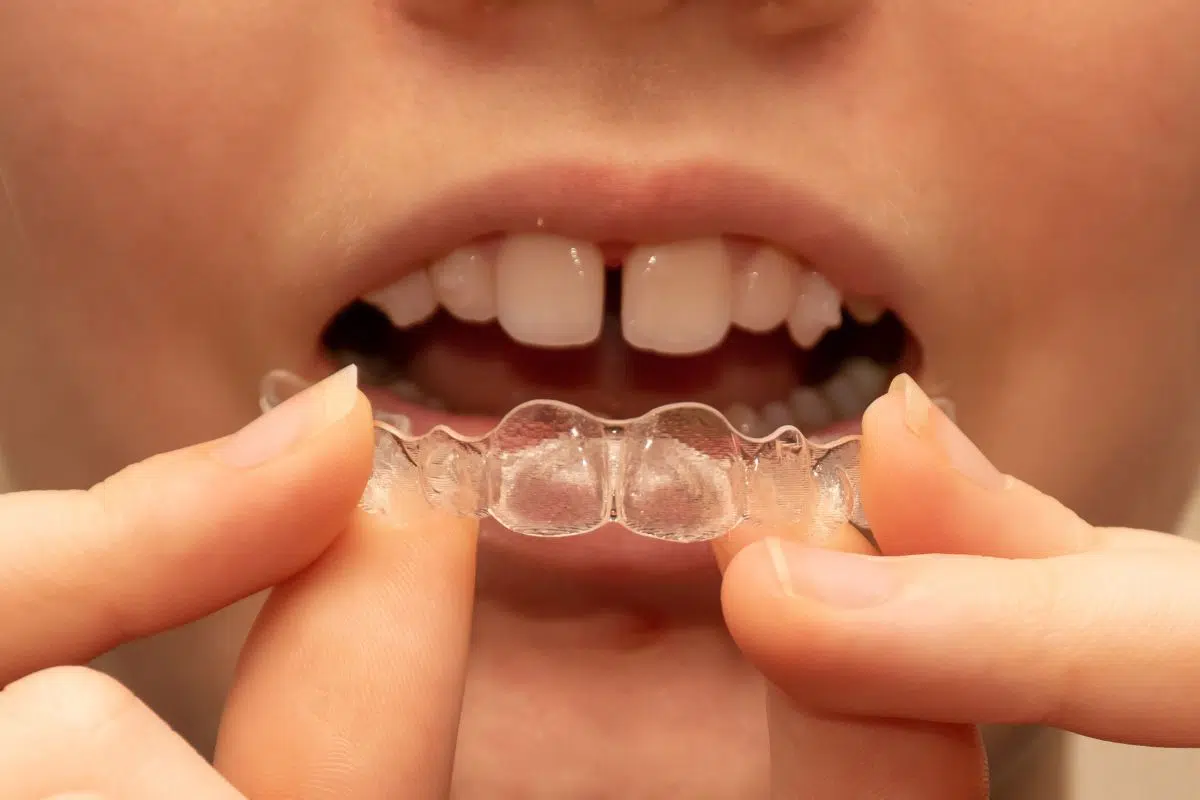
Have you noticed a new space between your teeth when you smile or floss? Gaps between teeth as you get older can develop for several reasons, including gum changes, shifting teeth, and missing teeth. At Covaney & Covaney in Newport News, Dr. Michael Covaney and Dr. Sharon Covaney help patients understand changes in their smiles and explore treatments that support both appearance and oral health. Although some spaces are harmless, a gap that appears suddenly or continues to widen deserves attention.
Why Do Gaps Between Teeth Develop With Age?
Tooth spacing can change throughout adulthood. Teeth respond to pressure, the condition of the surrounding gums, and changes in the way the upper and lower teeth meet.
For that reason, a new gap should not automatically be treated as a cosmetic issue. A dentist can examine your teeth and gums before recommending cosmetic and restorative dentistry to improve your smile or repair damaged teeth.
Several factors may contribute to changing spaces.
- Gum disease: Loss of supporting tissue and bone can allow teeth to loosen or shift.
- Missing teeth: Nearby teeth may drift toward an open space.
- Bite changes: Uneven pressure can influence tooth position over time.
- Tooth wear: Changes in tooth shape can affect how neighboring teeth fit together.
- Natural movement: Teeth can shift throughout life, even after orthodontic treatment.
However, age alone does not explain every new gap. The location, speed of change, and presence of other symptoms help determine whether the space needs treatment.
Gum Disease and Bone Loss Can Create New Spaces
Healthy gums and the bone beneath them help keep teeth stable. When gum disease progresses, the supporting tissues may become damaged.
Early Gum Inflammation
Gingivitis is an early form of gum disease. It can cause red, swollen, or bleeding gums, but it does not cause the bone loss associated with advanced periodontal disease.
Regular cleaning and improved home care can often control gingivitis. However, persistent bleeding or swelling needs a dental assessment.
Advanced Periodontal Disease
When gum disease progresses, the tissues and bone that support teeth can deteriorate. As support decreases, teeth may become loose, move apart, or change position.
You may also notice:
- Gums that appear to pull away from teeth.
- Persistent bad breath.
- Bleeding during brushing or flossing.
- Changes in the way your teeth fit together.
- Teeth that feel loose or seem longer than before.
If a new gap appears alongside these symptoms, seek a dental evaluation promptly. Cosmetic treatment alone will not correct the underlying cause.
A dentist may recommend periodontal care, improved cleaning techniques, or referral to a gum specialist, depending on the severity of the condition.
How Missing Teeth and Bite Changes Affect Spacing
Each tooth helps maintain the position of nearby teeth. When a tooth is lost, the surrounding teeth may gradually move into the open space.
Shifting Near a Missing Tooth
A gap left by an extracted or lost tooth can change how neighboring teeth meet. Teeth in the opposite jaw may also move toward the empty space.
These changes can affect chewing, cleaning, and the alignment of the bite.
Depending on the patient’s needs, replacement options may include a dental implant, bridge, or partial denture. A dentist can explain which choices suit the available bone, the condition of adjacent teeth, and the patient’s overall oral health.
Changes in the Bite
Clenching, grinding, tooth wear, and missing teeth can alter how chewing forces move through the mouth.
As a result, some teeth may experience more pressure than others. This pressure can contribute to movement or discomfort, particularly when supporting tissues have weakened.
If you notice new spacing alongside jaw soreness, uneven tooth contact, or worn teeth, ask the dentist to assess your bite.
Other Reasons a Gap May Appear
Not every new space signals gum disease or a missing tooth. Several other factors can change the appearance of a smile.
Natural Tooth Movement
Teeth can move slightly over time. The tongue, lips, cheeks, and biting forces all influence their position.
Adults who previously wore braces may also notice some movement if they no longer use their retainers as directed.
Changes in Tooth Shape
Chipped edges, worn enamel, and previous dental treatment can affect the contact between neighboring teeth. A small change in tooth shape may make a space more noticeable.
Changes in the Gums
Gum recession can expose more of the tooth near the root. This may create a dark triangular space between teeth, even when the teeth themselves have not moved apart significantly.
Because several conditions can look similar, a dentist should identify the cause before selecting a treatment.
Treatment Options for Gaps Between Teeth
The best treatment depends on why the gap developed, its size, and the health of the teeth and gums.
Orthodontic Treatment
Braces or clear aligners can move teeth into a better position. Orthodontic treatment may suit patients who have several spaces or broader alignment concerns.
However, active gum disease must be addressed before tooth movement begins. A stable foundation helps support a safer treatment plan.
Dental Bonding
For a small gap, composite bonding can add tooth-colored material to the edges of selected teeth. This can improve the shape of the smile without moving the teeth themselves.
Bonding may not suit every gap. Adding too much material can make teeth look bulky or create areas that trap food.
Veneers
Dental veneers cover the front surfaces of selected teeth. They may improve the appearance of spacing, uneven shapes, and certain color concerns.
A dentist must assess enamel, bite forces, and overall tooth health before recommending veneers. The treatment involves important considerations, including how much natural tooth structure may need alteration.
Crowns or Other Restorations
A crown may help when a tooth also needs structural protection. However, crowns are not usually the first choice for closing a simple gap in an otherwise healthy tooth.
If missing teeth cause the spacing problem, a bridge or implant-supported restoration may help restore function and appearance.
When Should You Have a New Gap Checked?
A small, stable space may not require immediate treatment if your teeth and gums remain healthy. Still, a newly appearing or widening gap deserves attention, especially when other symptoms occur.
Arrange a dental visit if you notice:
- A gap that grows over several weeks or months.
- Bleeding, swelling, or tenderness around the teeth.
- Loose teeth or a change in your bite.
- Food becoming trapped in a new space.
- Difficulty chewing comfortably.
- Changes following tooth loss or dental treatment.
Seek prompt care for sudden tooth movement, significant pain, or swelling. These symptoms may indicate a problem that needs treatment rather than cosmetic correction.
How to Help Keep Your Teeth Stable
Daily care supports gum health and helps reduce the risk of conditions that can affect tooth position.
- Brush twice a day with fluoride toothpaste.
- Clean between your teeth daily.
- Attend regular dental examinations and professional cleanings.
- Avoid tobacco products, which can increase the risk of gum disease.
- Wear a prescribed retainer as directed after orthodontic treatment.
- Ask for help with grinding or clenching.
If you already have gum disease, follow the recommended treatment and maintenance schedule. Consistent care can help protect the tissues that support your teeth.
New spaces between teeth can result from gum disease, missing teeth, changes in the bite, or natural tooth movement. The right treatment begins with finding the cause. Once the teeth and gums are healthy, cosmetic or restorative options may improve spacing while supporting comfortable chewing and a natural-looking smile.
Dr. Michael Covaney and Dr. Sharon Covaney at Covaney & Covaney in Newport News can assess new gaps and discuss suitable options for your needs. Schedule your appointment to have changes in your teeth evaluated.