Call Us Today : (757) 596-6850

Cracked Molar Causing Sharp Pain When Chewing: Causes and Treatment Options

Sharp pain when biting down can make even a simple meal uncomfortable. A cracked molar pain when chewing problem may develop after biting something hard, grinding your teeth, or experiencing an injury. At Covaney & Covaney in Newport News, Dr. Michael Covaney and Dr. Sharon Covaney help patients understand dental discomfort and explore appropriate treatment options. Although some cracks cause little discomfort at first, others can expose sensitive parts of the tooth and lead to more serious problems.
What Causes a Cracked Molar to Hurt When Chewing?
Molars handle much of the pressure involved in chewing. Over time, that pressure can contribute to cracks, especially when a tooth already has weakened enamel or an older restoration.
If you experience discomfort while eating, a dentist can examine the tooth and look for signs of damage. Our Newport News dentist at Covaney & Covaney can help identify the source of the pain and determine whether the tooth needs protection, repair, or another form of treatment.
Several factors can increase the risk of a cracked molar.
- Biting hard foods: Ice, hard candy, and unpopped popcorn kernels can place sudden pressure on a tooth.
- Teeth grinding: Repeated clenching or grinding can wear down enamel and put stress on molars.
- Large fillings: A tooth with a large filling may have less natural structure to withstand chewing forces.
- Dental injuries: A fall, sports injury, or blow to the face can damage a tooth.
- Age-related wear: Years of chewing can weaken teeth and make cracks more likely.
However, not every painful molar has a crack. Tooth decay, a damaged filling, gum problems, and inflammation inside the tooth can cause similar symptoms. A professional examination helps distinguish between these conditions.
Signs of a Cracked Molar Pain When Chewing Problem
A cracked tooth does not always cause constant pain. In fact, some people notice discomfort only when they bite down in a particular way. The symptoms may also change as the crack develops.
Pain When Biting or Releasing Pressure
One common warning sign is a sharp sensation when chewing food. You may also feel pain when you release your bite. This happens because pressure can cause the cracked sections of the tooth to move slightly.
Sensitivity to Hot and Cold
A crack can allow temperature changes to affect the sensitive tissue inside the tooth. As a result, cold drinks, hot coffee, or certain foods may trigger discomfort.
If the sensitivity continues after the food or drink is gone, the tooth may need prompt evaluation.
Pain That Comes and Goes
Some cracked teeth hurt only during meals. Others produce occasional discomfort that seems difficult to locate. Because the symptoms can be inconsistent, it may be tempting to ignore them.
However, temporary relief does not mean the crack has healed.
Other Possible Warning Signs
Look for these additional symptoms:
- A visible line or chip in the tooth.
- Tenderness when chewing on one side.
- Swelling or soreness around the affected tooth.
- New sensitivity near an existing filling.
- Pain that becomes more frequent or intense.
Not every crack will be visible in a mirror. Therefore, a dentist should evaluate persistent symptoms even when the tooth looks normal.
How Serious Can a Cracked Molar Become?
The seriousness of a crack depends on its location, depth, and direction. A small crack limited to the outer enamel may need little or no restorative treatment. However, a deeper fracture can affect the inner tooth and threaten its long-term health.
Minor Enamel Cracks
Small surface lines may affect only the enamel. These lines, sometimes called craze lines, often cause no pain and do not usually require extensive treatment.
A dentist can determine whether a line represents normal surface wear or a more significant fracture.
Cracks That Reach the Dentin
Dentin lies beneath the enamel and surrounds the inner pulp. When a crack reaches this layer, the tooth may become sensitive or painful during chewing.
Depending on the damage, a dentist may recommend a filling, bonding, or a dental crown.
Cracks That Affect the Pulp
The pulp contains nerves and blood vessels. If a crack reaches this area, inflammation or infection may develop. In some cases, root canal treatment can preserve the remaining tooth structure before a crown protects the tooth.
However, a split tooth or a fracture extending too far below the gumline may not be repairable. Early evaluation can improve the chance of saving the tooth.
Treatment Options for a Cracked Molar
Treatment depends on the extent of the damage, the location of the crack, and the condition of the surrounding tooth.
Dental Bonding or a Filling
For minor damage, a dentist may use a suitable restorative material to repair a small chip or protect a limited area. The choice depends on how much healthy tooth structure remains.
A Dental Crown
A crown covers the visible portion of a tooth and helps protect it from chewing forces. Dentists often consider crowns for cracked molars when the damage affects the tooth’s strength but enough healthy structure remains to support the restoration.
Root Canal Treatment
When the crack causes irreversible damage to the pulp, root canal treatment may help preserve the tooth. The dentist removes the affected pulp tissue, cleans the inside of the tooth, and seals it. A crown may then provide additional protection.
Tooth Removal
Sometimes, a crack extends through the tooth or below the gumline. In these cases, the dentist may recommend extraction if the tooth cannot be predictably restored.
The dentist can also discuss replacement options when appropriate.
What to Do Before Your Dental Appointment
If you suspect a cracked molar, avoid putting extra pressure on the affected tooth.
Take these practical steps:
- Eat soft foods and chew on the opposite side.
- Avoid ice, hard candy, nuts, and other hard foods.
- Keep the area clean with gentle brushing.
- Rinse with warm salt water if the surrounding gums feel irritated.
- Use an over-the-counter pain reliever only as directed and if it is safe for you.
- Avoid placing aspirin directly against the tooth or gums.
Do not try to glue the tooth or repair it with household products. These approaches can cause additional damage or irritation.
Contact a dentist promptly if chewing pain persists. Seek urgent dental care if you develop facial swelling, fever, or worsening pain. Difficulty breathing or swallowing requires emergency medical attention.
How to Help Prevent Future Tooth Cracks
Although not every fracture can be prevented, a few daily habits can reduce unnecessary stress on your teeth.
- Avoid chewing hard objects: Do not use your teeth to crack nuts, open packages, or bite ice.
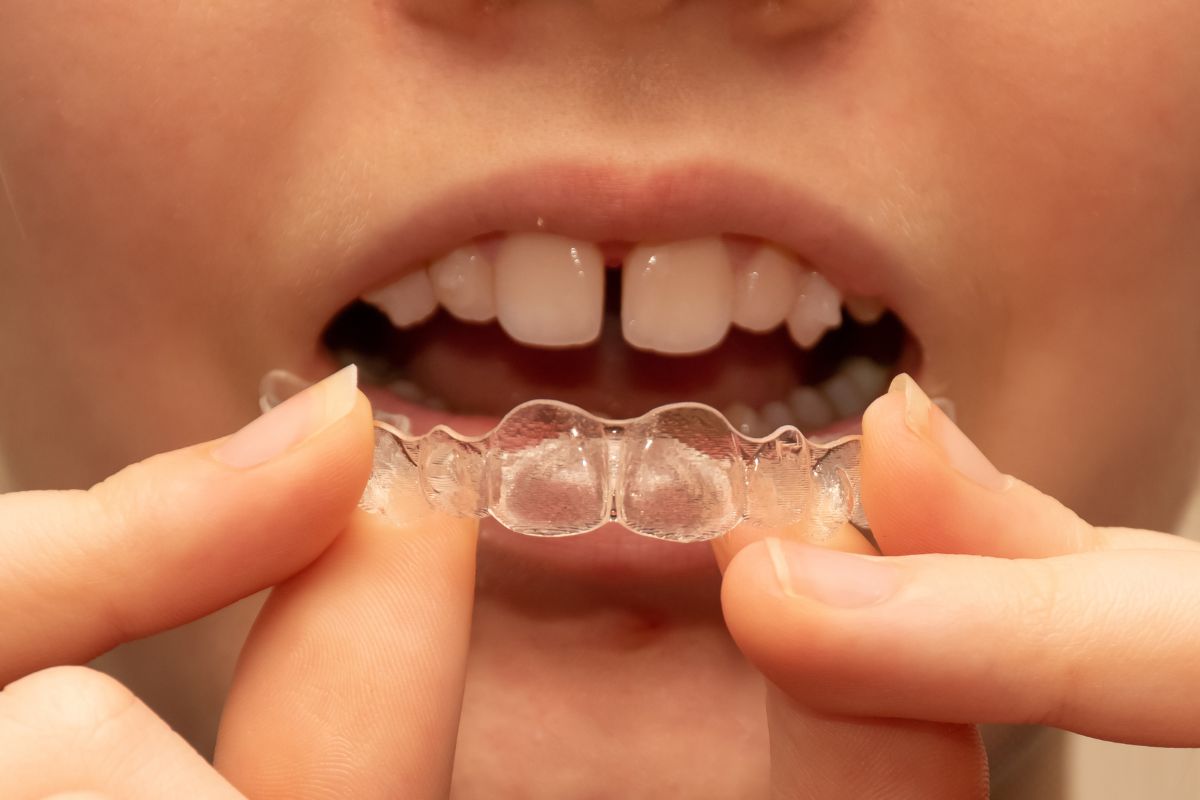
- Address grinding: Ask a dentist whether a custom night guard may help if you clench or grind your teeth.
- Maintain regular dental visits: Routine examinations can identify weakened fillings, decay, and other concerns.
- Protect your teeth during sports: Wear a suitable mouthguard during activities that carry a risk of dental injury.
- Treat dental problems early: Repairing decay and damaged restorations may help preserve the remaining tooth structure.
Regular dental care is particularly helpful when you have several large fillings or a history of tooth fractures.
Sharp pain during chewing can be a warning sign of a cracked molar, but other dental conditions can cause similar symptoms. The right treatment depends on the crack’s depth and the amount of healthy tooth structure that remains. Therefore, avoid chewing on the painful side and arrange an examination before the damage worsens.
Dr. Michael Covaney and Dr. Sharon Covaney at Covaney & Covaney in Newport News can assess your symptoms and discuss suitable care options. Schedule your appointment to have persistent tooth pain evaluated.