Call Us Today : (757) 596-6850

My Teeth Are Discolored Even After Whitening. What Are My Options?

If your teeth still look yellow, gray, brown, or uneven after whitening, you may wonder why the treatment did not produce the change you expected. At Covaney & Covaney, patients can receive a personalized evaluation to understand the cause of tooth discoloration and explore appropriate cosmetic treatment options. Whitening can improve many types of stains, but it does not work the same way for every type of discoloration.
The good news is that whitening is not the only way to improve the appearance of discolored teeth. Depending on the cause and condition of your teeth, options may include professional whitening, composite bonding, veneers, crowns, or other cosmetic and restorative treatments.
Teeth Can Remain Discolored After Whitening for Several Reasons
Tooth discoloration does not always come from the same source. Some stains develop on the outer surface of enamel, while others occur within the tooth. The type, depth, and cause of discoloration can influence how well whitening works.
Surface Stains May Respond Better to Whitening
Surface stains can develop from everyday habits and foods. Coffee, tea, red wine, tobacco, and strongly pigmented foods can gradually affect the appearance of enamel.
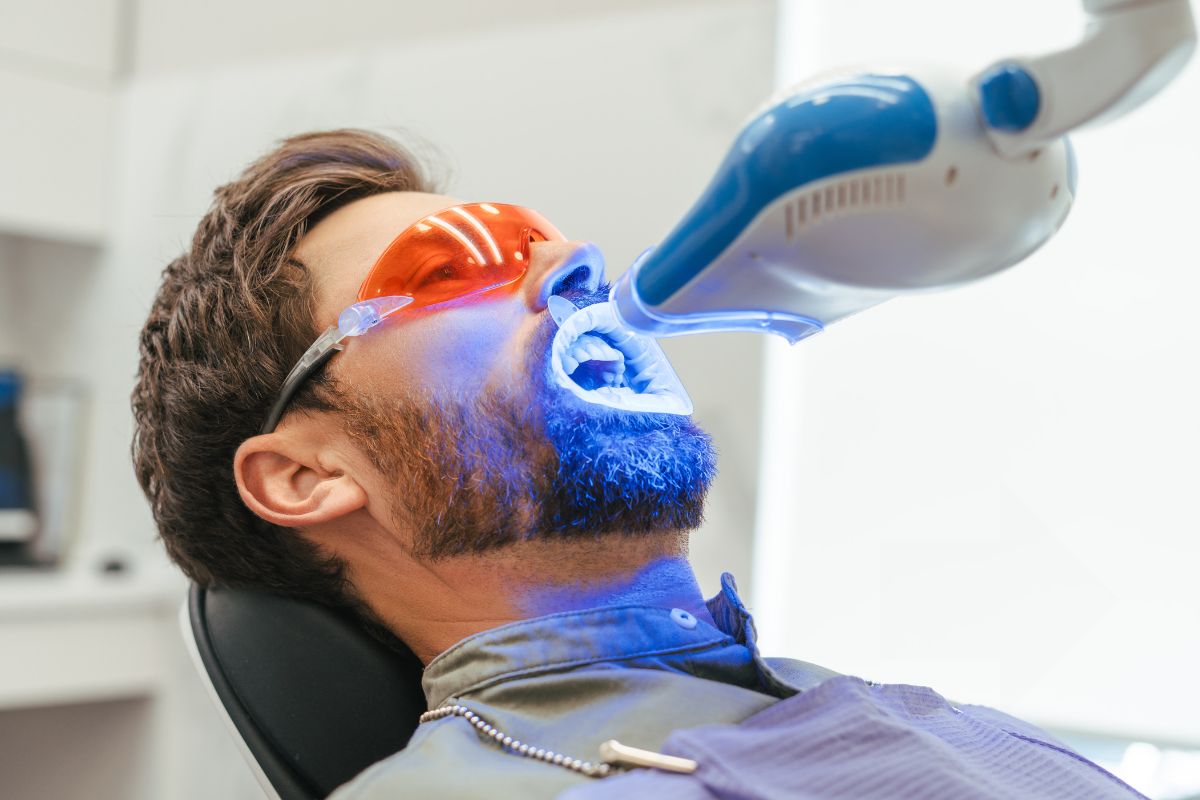
Professional whitening may help reduce certain external stains. However, results can vary based on the severity and duration of the staining.
Deeper Discoloration Can Be More Difficult to Whiten
Some discoloration develops within the tooth rather than only on the enamel surface. This type of intrinsic discoloration may be associated with factors such as aging, certain medications, trauma, or changes that occurred while the tooth was developing.
When discoloration originates within the tooth, additional whitening may not provide the improvement a patient wants.
The Cause of the Discoloration Helps Determine the Next Step
The most useful first step after unsuccessful whitening is finding out why the discoloration remains.
At Covaney & Covaney, a cosmetic dentist can take a closer look at your teeth, review your dental history, and determine whether the discoloration affects one tooth or several. This evaluation helps identify the cause of the color change and whether additional whitening, bonding, or another approach may be appropriate for your smile.
One Dark Tooth May Need a Different Evaluation
If only one tooth looks darker than the others, the cause may be different from generalized staining.
A tooth can change color following trauma or other internal changes. An existing restoration can also create a noticeable color difference because fillings, crowns, and other dental materials do not necessarily respond to whitening in the same way as natural enamel.
For this reason, treating one discolored tooth may require a different plan from whitening an entire smile.
Additional Professional Whitening May Help Certain Types of Staining
Some patients may benefit from additional professional whitening after an initial treatment, particularly when the remaining discoloration is still related to a type of staining that responds to bleaching.
However, repeating whitening is not automatically the best solution.
If the remaining color difference comes from intrinsic discoloration, an existing restoration, or another underlying issue, additional whitening may have limited benefits.
A Dental Evaluation Can Prevent Unnecessary Treatment
Instead of repeatedly whitening your teeth without knowing why the results are limited, talk with a dental professional about the cause of the discoloration.
An evaluation can help determine whether your teeth are suitable for additional whitening and whether another cosmetic treatment should be considered.
Cosmetic Bonding Can Improve Certain Discolored Teeth
Composite bonding is another cosmetic option that may help with certain tooth discoloration and minor shape concerns.
During bonding, a tooth-colored composite material is applied to the tooth and shaped to improve its appearance. The material can be selected and shaped to complement the surrounding teeth.
Bonding Can Address More Than Color
If a tooth is both discolored and slightly irregular in shape, bonding may provide an opportunity to address both concerns at once.
The suitability of bonding depends on the tooth, the extent of discoloration, your bite, and the result you want to achieve.
Covaney & Covaney includes composite restorations among its cosmetic and restorative treatment options.
Veneers Can Address Certain Discoloration That Resists Whitening
Veneers may be considered when discoloration does not respond adequately to whitening and the tooth is otherwise appropriate for cosmetic treatment.
A veneer is a custom-made restoration placed over the visible front surface of a tooth. It can change the apparent color and shape of the treated tooth.
Covaney & Covaney identifies veneers as a cosmetic option for concerns that can include discoloration, chips, gaps, and changes in tooth shape.
Veneers Can Address Color and Shape Together
One benefit of a veneer is that treatment planning can consider more than tooth color.
For example, if a front tooth is darker than neighboring teeth and also has an unusual shape, a veneer may allow both concerns to be addressed as part of the same cosmetic plan.
That does not mean every discolored tooth needs a veneer. Your dentist should evaluate the condition of the tooth and discuss whether a veneer, bonding, whitening, or another treatment is more appropriate.
Existing Dental Work Can Affect Your Smile Color
Previous dental treatment can sometimes explain why whitening does not create an even-looking smile.
Dental Restorations Do Not Whiten Like Natural Teeth
Crowns, fillings, and other restorations generally do not respond to whitening in the same way natural tooth enamel does.
If your natural teeth become lighter while an older restoration remains the same shade, the difference may become more noticeable.
This is important to consider before whitening or replacing cosmetic restorations. Your dentist can evaluate the existing restoration and discuss whether it should remain, be replaced, or be incorporated into a broader treatment plan.
A Personalized Cosmetic Dentistry Plan Can Address Multiple Concerns
Sometimes discoloration is only one part of a patient’s smile concern.
You may also notice:
- Small chips
- Uneven tooth shapes
- Gaps between teeth
- Worn tooth edges
- Old or mismatched restorations
- Teeth that appear different in size
- Minor alignment concerns
Cosmetic dentistry can include several treatment options, including whitening, veneers, composite restorations, crowns, and orthodontic approaches. Covaney & Covaney explains that treatment recommendations are personalized around a patient’s smile goals and dental needs.
Treatment Should Consider Your Whole Smile
A natural-looking result involves more than making teeth white.
Your dentist may consider tooth shape, size, spacing, color, facial appearance, and the relationship between your upper and lower teeth. Looking at these factors together can help create a more balanced result.
Healthy Teeth Provide the Foundation for Cosmetic Treatment
Cosmetic treatment should begin with good oral health.
Cavities, gum disease, infection, significant tooth damage, or other dental concerns may need attention before cosmetic treatment is considered. Addressing underlying dental problems first helps create a healthier foundation for any future smile enhancement.
This is particularly important when discoloration affects an individual tooth. A change in color may sometimes indicate an underlying dental issue rather than a purely cosmetic concern.
Everyday Habits Can Help Maintain a Brighter Smile
Once you have achieved the appearance you want, daily habits can help maintain your smile.
Simple Habits Make a Difference
Helpful practices include:
- Brush twice daily with fluoride toothpaste.
- Clean between your teeth regularly.
- Limit frequent exposure to heavily staining foods and beverages.
- Avoid tobacco products.
- Maintain routine dental appointments.
- Follow your dentist’s recommendations for cosmetic treatment maintenance.
Good oral hygiene supports both the appearance and health of your teeth.
Persistent Discoloration Does Not Mean You Have Run Out of Options
Teeth that remain discolored after whitening can be frustrating, but whitening is only one part of cosmetic dentistry.
The most appropriate solution depends on the reason your teeth remain discolored. Some patients may benefit from additional professional whitening, while others may need bonding, veneers, crowns, or another approach.
A professional evaluation can help identify the source of the discoloration and prevent you from continuing a treatment that may not address the underlying concern.
The Right Treatment Depends on the Cause
If your teeth are still discolored after whitening, the next step is not necessarily more whitening. Surface staining, intrinsic discoloration, individual tooth changes, and existing restorations can all affect the final appearance of your smile.
Understanding the cause allows your dentist to recommend an approach that fits your teeth and cosmetic goals. Depending on your situation, professional whitening, bonding, veneers, or restorative treatment may be considered.
If you are concerned about teeth discoloration after whitening, schedule an appointment with Covaney & Covaney at 10 Sweetbriar Drive in Newport News, Virginia 23606, to discuss your smile and explore personalized cosmetic dentistry options.