Call Us Today : (757) 596-6850

Tooth is Loose but Still Attached – Causes and Solutions

A loose tooth is an exciting milestone in childhood. However, if this happens in adulthood, it signals a serious dental issue that requires immediate attention. If you have a tooth that feels loose yet partially attached to the gum, identify the cause and seek treatment. Let’s explore the underlying reasons and the best approach to reattaching such teeth in this blog.
Why Is Your Tooth Loose Yet Attached?
Several factors contribute to this condition, which include the following:
1. Gum Disease
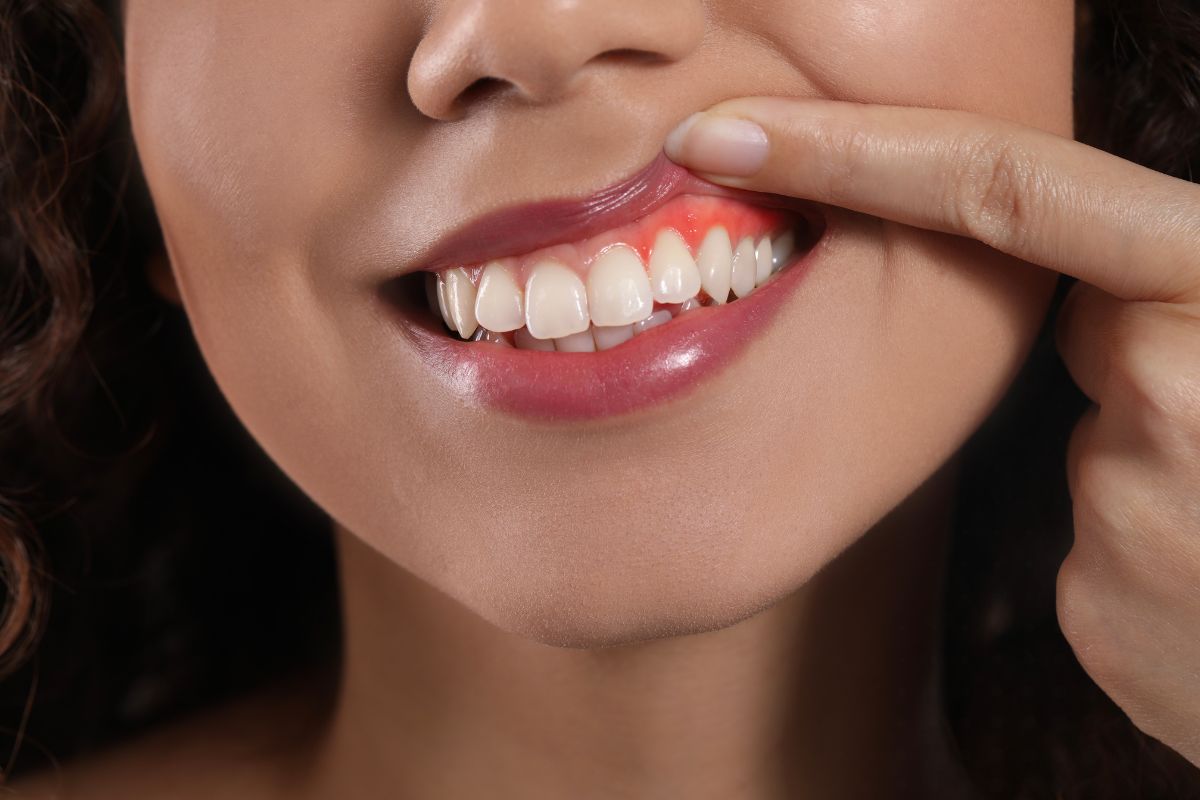
One of the most common reasons for dislodged teeth is gum disease. It begins with gingivitis, which causes inflammation due to plaque buildup and may progress to periodontitis. In this advanced stage, the infection weakens the bone supporting the teeth, leading to mobility.
You can prevent and manage this condition by maintaining good oral hygiene. Schedule regular cleanings at a dental office and opt for gum disease treatment to avoid permanent damage or tooth loss.
2. Bruxism
Unconsciously clenching or grinding your teeth as you sleep puts too much strain on the supporting tissues. This causes the tooth to feel overly loose by weakening the ligaments that hold it in place.
You can lessen the strain on your teeth by using a nightguard that is specially customized for you. To avoid dislodgement, concentrate on stress reduction and treating any underlying problems, such as misaligned teeth.
3. Hormonal Changes
Oral health may be impacted by hormonal changes, particularly during pregnancy and menopause. Pregnancy gingivitis leads to gum inflammation, which weakens the bone that supports teeth. Similarly, lowering estrogen after menopause might impair bone density, increasing the risk of tooth movement.
You can stabilize your teeth and dental health by maintaining good oral hygiene, going to an experienced dentist on a regular basis, and controlling any hormonal imbalance.
4. Injury or Trauma
A tooth that is still partially attached may become loose due to an abrupt impact from an accident, fall, or sports injury. To avoid more issues, a dentist can determine the extent of the damage and suggest the best course of action.
5. Gum Recession
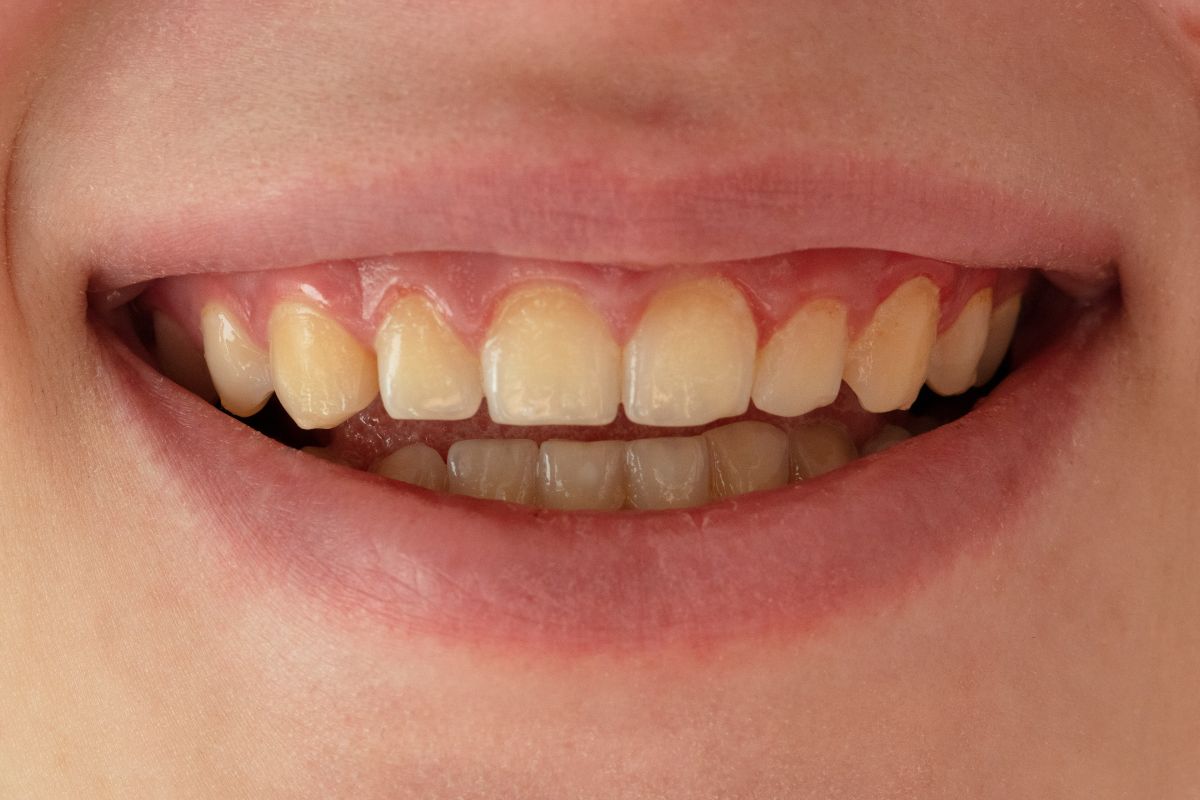
It may be a sign of periodontal recession if your teeth seem longer than normal. Your gum tissue pushes back during this condition, revealing the root surface. Aggressive brushing, gum disease, aging, and genetic predisposition are the leading causes of this condition. Gum recession increases the teeth’s movement by weakening their base. Using a soft-bristled toothbrush and considering gum grafting can help restore periodontal health and stability of teeth.
How to Treat a Loose Adult Tooth?
Addressing a partially dislodged tooth promptly increases the chances of saving it. Depending on the severity, here are some treatment options:
- Deep Cleaning (Scaling and Root Planing): If gum disease is pulling a tooth out of its socket, a deep cleaning can help. This method removes plaque and tartar buildup, which allows the gums to heal and reattach to the tooth.
- Nightguard for Bruxism: If grinding is causing tooth loss, wearing a nightguard can prevent further damage.
- Splinting: In cases of trauma or gum disease, a dentist may use a splint to stabilize the tooth and attach it to neighboring teeth.
- Gum Graft Surgery: If gum recession is the issue, a graft can restore lost tissue and strengthen support.
FAQs on Loose Teeth
1. Why is my adult tooth loose but still attached?
A loose adult tooth can happen due to gum disease, teeth grinding (bruxism), injury, gum recession, or hormonal changes. These issues weaken the tissues and bone that support the tooth, causing mobility.
2. Can a loose adult tooth tighten back up on its own?
In some cases, if the cause is mild and treated early, a loose tooth may stabilize. However, adult teeth usually need professional dental care to prevent further damage or tooth loss.
3. What should I do if my tooth feels loose?
Avoid touching or wiggling the tooth, maintain good oral hygiene, and schedule a dental appointment as soon as possible. Early treatment improves the chances of saving the tooth.
4. How do dentists treat a loose tooth that is still attached?
Treatment may include deep cleaning, splinting, gum disease treatment, a custom nightguard for bruxism, or gum graft surgery depending on the cause and severity of the problem.
5. Is a loose tooth always caused by gum disease?
No, while gum disease is a common cause, loose teeth can also result from trauma, teeth grinding, gum recession, hormonal changes, or bite misalignment. A dental exam will help determine the exact cause.
Tooth dislodging, whether complete or partial, should never be ignored in adulthood. Maintaining good oral hygiene and addressing the underlying causes early can help preserve your teeth. If you’re experiencing tooth loss or gum recession, schedule your appointment at Covaney & Covaney for the right care and treatment.