Call Us Today : (757) 596-6850

What You Should Know About Wisdom Teeth Removal
Wisdom teeth removal is a common dental procedure that many people undergo during their late teens or early twenties. These third molars, often referred to as wisdom teeth, are the last set of teeth to develop, typically emerging between the ages of 17 and 25. While some people have no issues with their wisdom teeth, others may experience problems that necessitate removal. Understanding the reasons for wisdom teeth removal, the procedure itself, and the recovery process can help you make informed decisions about your oral health.
Why Do Wisdom Teeth Need to Be Removed?
Not everyone needs to have their wisdom teeth removed. However, in many cases, these teeth can cause problems due to a lack of space in the mouth. When there isn’t enough room for the wisdom teeth to emerge properly, they can become impacted, meaning they are trapped beneath the gum line or only partially emerge. Impacted wisdom teeth can lead to various issues, including:
- Pain and Discomfort: Impacted wisdom teeth can cause pain in the back of the mouth, which may spread to the surrounding teeth and jaw.
- Infection: Partially erupted wisdom teeth are prone to infection, as food particles and bacteria can become trapped under the gum flap.
- Damage to Other Teeth: Impacted wisdom teeth can push against adjacent teeth, causing crowding, misalignment, and even damage to other molars.
- Cysts or Tumors: In rare cases, impacted wisdom teeth can lead to the development of cysts or tumors, which can damage the jawbone and surrounding tissues.
The Wisdom Teeth Removal Procedure
If your dentist or oral surgeon recommends wisdom teeth removal, they will first evaluate your situation through a physical examination and X-rays to determine the position of the teeth and the complexity of the extraction.
- Consultation: During the initial consultation, your dentist will discuss the reasons for the extraction, what you can expect during the procedure, and any potential risks involved.
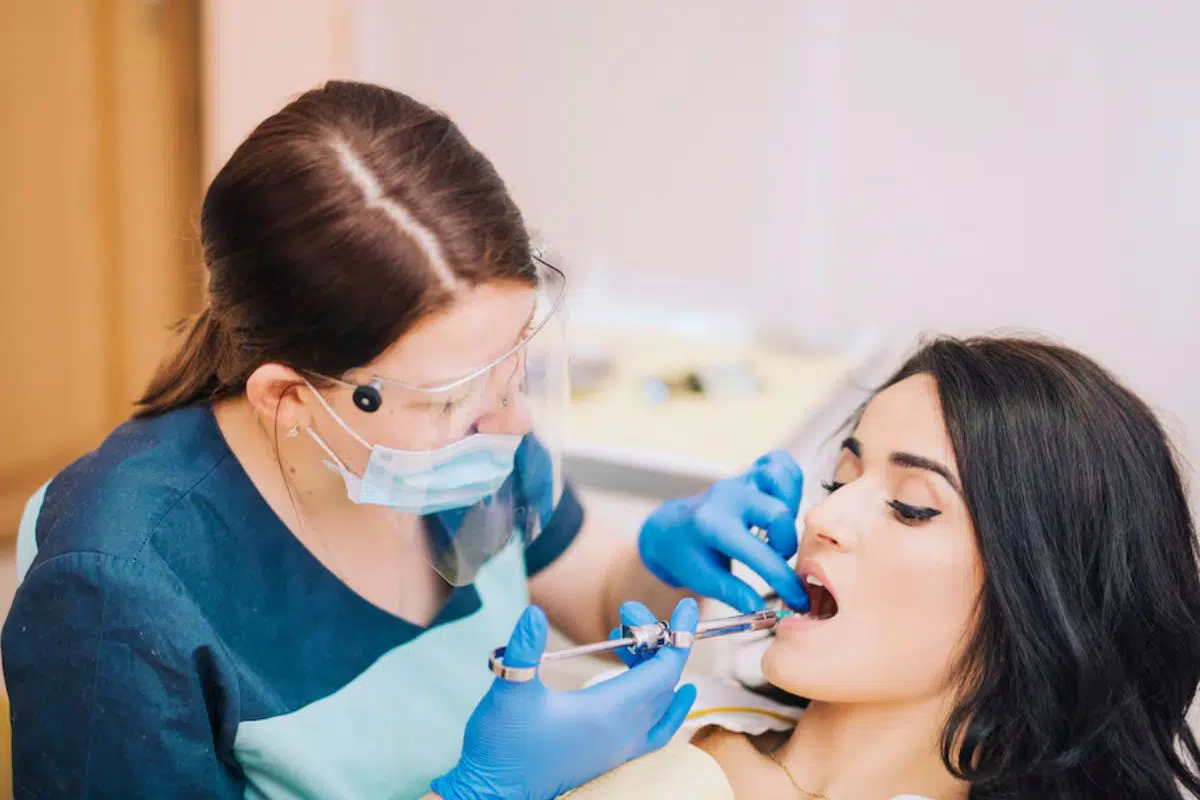
- Anesthesia: On the day of the surgery, the dentist or oral surgeon will administer anesthesia to ensure your comfort. Depending on your case, this could be local anesthesia, sedation, or general anesthesia.
- Extraction: Once you are numb or sedated, the dentist will make an incision in the gum tissue to expose the wisdom tooth and the bone. If necessary, the tooth may be divided into smaller pieces to facilitate removal. After the tooth is extracted, the area is cleaned, and stitches may be used to close the wound.
- Recovery: After the procedure, you’ll be taken to a recovery area where you’ll rest until the anesthesia wears off. You’ll be given post-operative care instructions, which are crucial for a smooth recovery.
Recovery and Aftercare
The recovery period following wisdom teeth removal typically lasts a few days to a week, depending on the complexity of the extraction and your overall health. Here’s what you can expect during recovery:
- Pain and Swelling: It’s normal to experience some pain, swelling, and bruising after the procedure. Your dentist may prescribe pain medication or recommend over-the-counter pain relievers to manage discomfort.
- Bleeding: Minor bleeding is common in the first 24 hours. Bite down on gauze pads as directed to control bleeding.
- Diet: Stick to soft foods and liquids for the first few days, avoiding anything too hot, spicy, or crunchy. Gradually reintroduce solid foods as you heal.
- Oral Hygiene: Gently rinse your mouth with warm salt water starting the day after surgery, but avoid brushing directly on the extraction site for the first 24 hours. Follow your dentist’s instructions on when to resume normal brushing and flossing.
- Activity: Rest and avoid strenuous activities for the first few days to promote healing and reduce the risk of complications.
When to Contact Your Dentist
While most people recover from wisdom teeth removal without issues, it’s important to be aware of potential complications. Contact your dentist if you experience:
- Severe pain that doesn’t improve with medication
- Excessive bleeding or pus at the extraction site
- Signs of infection, such as fever or chills
- Difficulty swallowing or breathing
Wisdom teeth removal is a common and safe procedure that helps prevent future oral health issues. At Covaney & Covaney in Newport News, our experienced team is here to guide you through every step — from understanding the reasons for extraction to providing expert care during recovery. Ready to take the next step toward a healthier smile? Schedule your appointment or visit our dental office in Newport News today.