Call Us Today : (757) 596-6850

Whitening Crooked Teeth: Why Professional Treatments Outshine DIY Methods
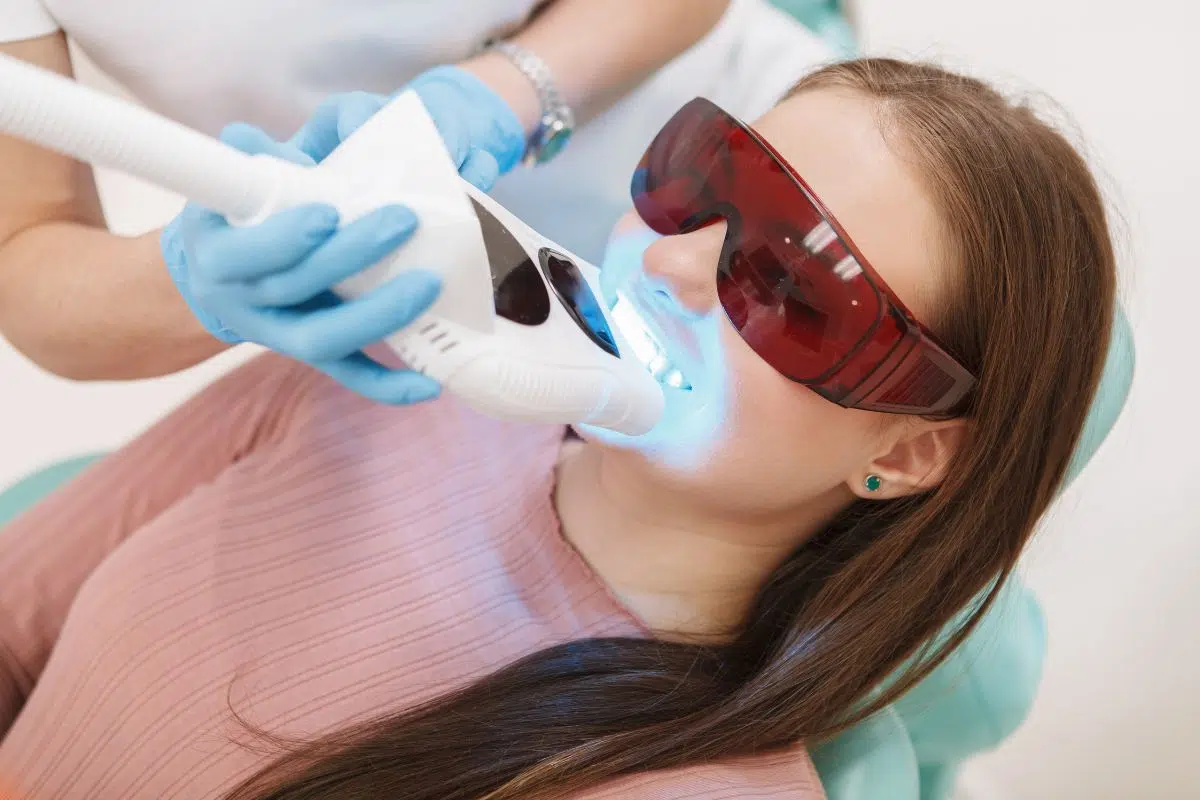
Whitening crooked teeth can be a challenging task, especially when DIY teeth whitening methods seem so convenient. However, while at-home solutions may promise quick results, professional treatments are often a better option for effective, safe, and long-lasting whitening, particularly for crooked teeth. Here’s a breakdown of why professional whitening treatments outshine DIY methods, and why investing in expert care is the best choice for your smile.
Understanding the Challenges of Whitening Crooked Teeth
Crooked teeth create unique challenges for whitening. Due to their positioning, crooked teeth may have surfaces that overlap, making it harder for whitening agents to reach every angle evenly. This can lead to uneven results with some areas appearing whiter than others. Additionally, stains may accumulate in hard-to-reach spaces, intensifying the discoloration.
Why Crooked Teeth Require Special Attention for Whitening:
- Uneven Surface Exposure: Overlapping or tilted teeth can be difficult to whiten evenly, leading to patchy results.
- Stain Buildup: Hidden areas between crooked teeth often trap food particles and bacteria, making stains harder to remove.
- Weaker Enamel in Some Areas: Crooked teeth may have spots with thinner enamel, which may react differently to whitening agents.
Common DIY Teeth Whitening Methods
DIY whitening options are widely available and often appealing because of their affordability and convenience. Popular methods include:
- Whitening Strips: These are easy to apply and are available over-the-counter in various strengths.
- Whitening Toothpaste: Toothpaste with whitening agents can help remove surface stains gradually over time.
- Baking Soda or Hydrogen Peroxide Mixes: Some people make homemade pastes, which are believed to remove stains due to their mild abrasiveness.
- Charcoal Toothpaste: Charcoal toothpaste has gained popularity for its natural whitening effects, although its effectiveness is still under debate.
While these DIY methods may work for mild stains on straight teeth, they’re often less effective on crooked teeth, as they don’t reach all surfaces and may not be strong enough to lift deeper stains.
Why Professional Treatments Are More Effective for Whitening Crooked Teeth
Professional teeth whitening treatments are performed by trained dental experts who understand the complexities of crooked teeth and how to achieve the best results safely.
1. Custom Whitening Solutions for Each Patient
During professional treatments, a dentist examines your teeth and determines the most suitable whitening method. This customized approach is especially helpful for crooked teeth, as dentists can target the specific areas where stains are most prominent.
2. Stronger Whitening Agents
Over-the-counter products are limited in their strength for safety reasons. In contrast, professional treatments use stronger whitening agents that can effectively penetrate enamel and lift deeper stains. With crooked teeth, this enhanced power helps reach tricky spots for a more even result.
3. Precision Application
Dentists have the training and tools to apply whitening products precisely, avoiding overexposure to sensitive gums and ensuring every surface of each tooth is treated. This is crucial for crooked teeth, where precision prevents uneven whitening or irritation.
4. Protection for Enamel and Gums
Professional treatments use whitening agents that are safe for enamel and gums when applied correctly. Dentists also monitor the process to prevent sensitivity and any potential damage. In DIY whitening, people may accidentally overuse products or expose gums to harsh chemicals, increasing the risk of enamel wear or gum irritation.
Potential Risks of DIY Whitening for Crooked Teeth
DIY whitening products might seem harmless, but they carry risks, especially when used on crooked teeth. These include:
- Uneven Whitening: Strips and gels may not stick evenly to crooked teeth, resulting in a patchy appearance.
- Increased Sensitivity: Misusing products can lead to tooth sensitivity, especially if areas with thinner enamel are overexposed to whitening agents.
- Damage to Gums: DIY methods like baking soda and hydrogen peroxide mixtures can irritate and damage gum tissue if used improperly.
Key Benefits of Professional Teeth Whitening for Crooked Teeth
Investing in professional whitening offers multiple advantages that make it a superior choice for those with crooked teeth. Some of the top benefits include:
- Long-Lasting Results: Professional whitening treatments provide results that can last for months or even years with proper care.
- Enhanced Confidence: With evenly whitened teeth, people feel more confident in their smiles.
- Comprehensive Care: Dentists can provide maintenance tips and recommend follow-up care, helping you maintain your newly brightened smile for longer.
Conclusion
When it comes to whitening crooked teeth, professional treatments clearly outshine DIY methods. Dentists use stronger whitening agents, apply them with precision, and can customize treatments to meet each patient’s unique needs. DIY options might seem tempting, but they often fall short in effectiveness and can even pose risks to enamel and gum health. For a bright, safe, and even result, consulting a dental professional is the best choice. Investing in expert care not only enhances your smile but also ensures your teeth and gums stay healthy throughout the whitening process.