Call Us Today : (757) 596-6850

Can a Wisdom Tooth Fall Out Naturally? Causes and Warning Signs
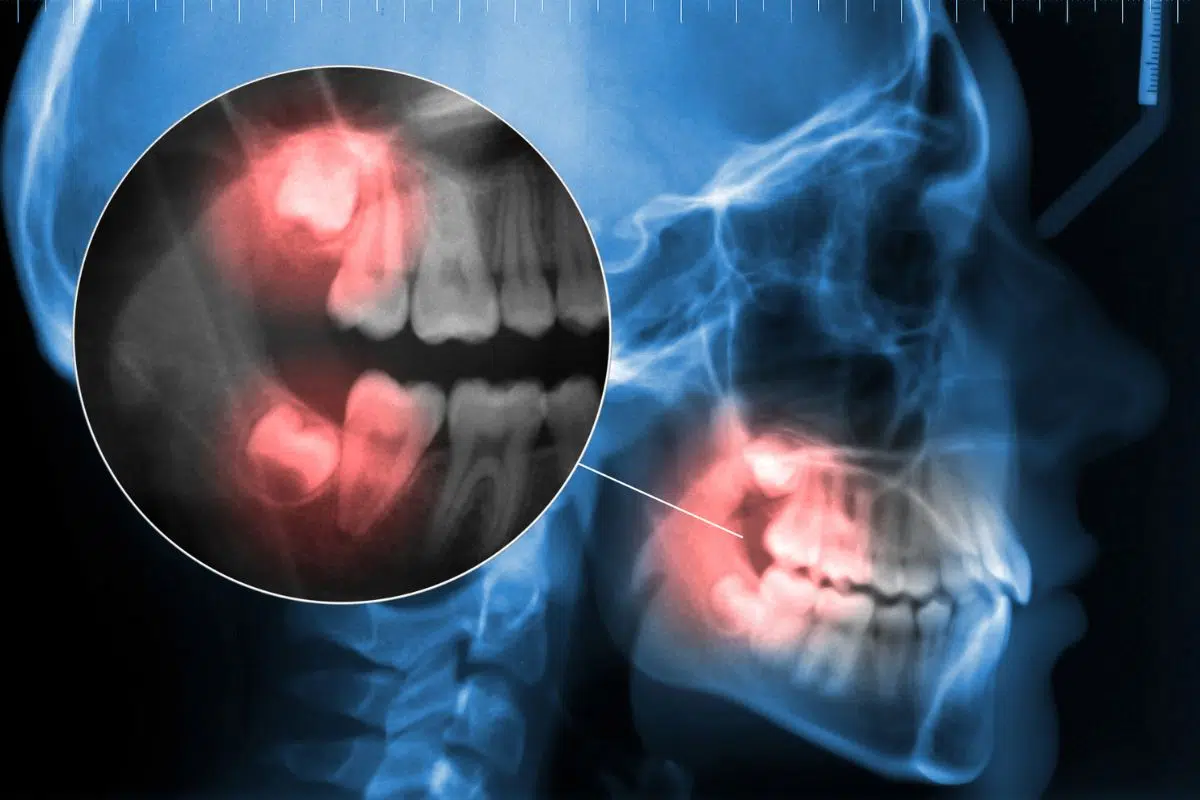
Can wisdom teeth fall out naturally? Or do you need them to get pulled? When do they usually come out? – In this blog, you will get all the answers regarding wisdom teeth removal.
Wisdom teeth, also called third molars, typically emerge in late adolescence. For some people, these teeth come out without any problem, while others might cause pain, discomfort, or even need extraction. A common question many patients generally ask is,” Can a wisdom tooth fall out naturally?”.
What Causes Wisdom Teeth To Fall Out?
Generally, wisdom teeth do not fall out naturally like baby teeth. These third molars are the last to emerge, located at the back of the mouth, making them difficult to clean—something our dentist in Newport News often warns about. In most cases, wisdom teeth need to be removed by a dental practitioner if they cause further issues. However, there are many situations where they might fall out on their own-
Infection or Decay
If the third molars become severely infected or decayed, the tissue around them becomes weak. In some cases, the tooth may loosen or even fall out due to the infection’s impact on the surrounding bone and gum tissue. Though it may seem like third molars fall out naturally, they are often the result of severe oral health conditions that require immediate action.
Impacted Wisdom Teeth
Sometimes, third molars become impacted, meaning they do not have enough space to emerge properly from the gums. If this happens, the tooth can shift, causing pain or further discomfort. In rare situations, the tooth may appear loose or fall out independently.
Periodontal Disease
Gum disease leads to the loss of third molars. When the gums and bones supporting the tooth become weak due to periodontal disease, the tooth becomes loose or falls out. This is usually not a natural process and requires professional intervention from a dentist to address the underlying cause.
Warning Signs Of Wisdom Teeth Falling Out
If you experience any one of the symptoms below, it indicates that your third molars might need to be removed.
Pain and swelling
One of the most common signs that third molars need to be removed is constant pain and swelling at the back of the mouth. This can lead to infection, impaction, or inflammation around the tooth. If the pain is severe, seeing a dental care provider is crucial.
Infection and Abscess
An abscess forms when a tooth becomes too infected, causing pus to build up around it. Some symptoms include a bad taste in the mouth, fever, and swelling. If left untreated, the infection can spread to other body parts. So, you must visit a dental practitioner immediately if you notice an abscess or infection.
Bad Breath and Unpleasant Taste
Chronic bad breath or a taste in the mouth even after brushing can indicate wisdom tooth removal. It is often the result of food particles trapped in the gums or around the erupted tooth.
Frequently Asked Questions
What causes a wisdom tooth to loosen or fall out?
Common causes include severe tooth decay, gum disease, impacted wisdom teeth, and infections such as abscesses. These problems weaken the gums and bone supporting the tooth, making it loose.
What are the warning signs that a wisdom tooth may need removal?
Signs include pain at the back of the mouth, swelling, bad breath, an unpleasant taste, infection, pus formation, difficulty chewing, and jaw discomfort. These symptoms often indicate the need for professional evaluation.
Is it safe to let a loose wisdom tooth fall out by itself?
No, it is not recommended to ignore a loose wisdom tooth. If the problem is caused by infection or gum disease, delaying treatment can lead to serious oral health problems and the infection spreading to nearby areas.
When Should You Visit A Dentist For Wisdom Tooth Removal?
While third molars rarely fall out naturally, it is essential to notice the signs of issues related to these teeth. If you experience any of these symptoms, it is time to visit a dentist for further evaluation.
Although wisdom teeth rarely fall out, they can become problematic if left unchecked. If you experience pain, swelling, or other symptoms related to third molars, it is vital to consult with a professional. At Covaney & Covaney, we understand the importance of addressing third molar issues early to ensure your oral health is in the best condition. To find out more, book an appointment with us now.