Call Us Today : (757) 596-6850

What Are the Warning Signs That You May Need a Dental Crown?

The warning signs that you need dental crown treatment often begin with a cracked tooth, pain while chewing, or a large filling that no longer protects your tooth properly. Recognizing these symptoms early can help you avoid further damage and protect your natural smile. At Covaney & Covaney in Newport News, VA, Dr. Michael Covaney and Dr. Sharon Cole Covaney provide personalized restorative and cosmetic dental care to help patients maintain healthy, comfortable teeth.
A damaged tooth does not always need extensive treatment. However, when a tooth loses too much of its natural strength, a protective restoration may offer a better solution than another filling. Understanding the signs can help you know when to seek a professional evaluation and which treatment options may suit your needs.
What Is a Dental Crown, and Why Might You Need One?
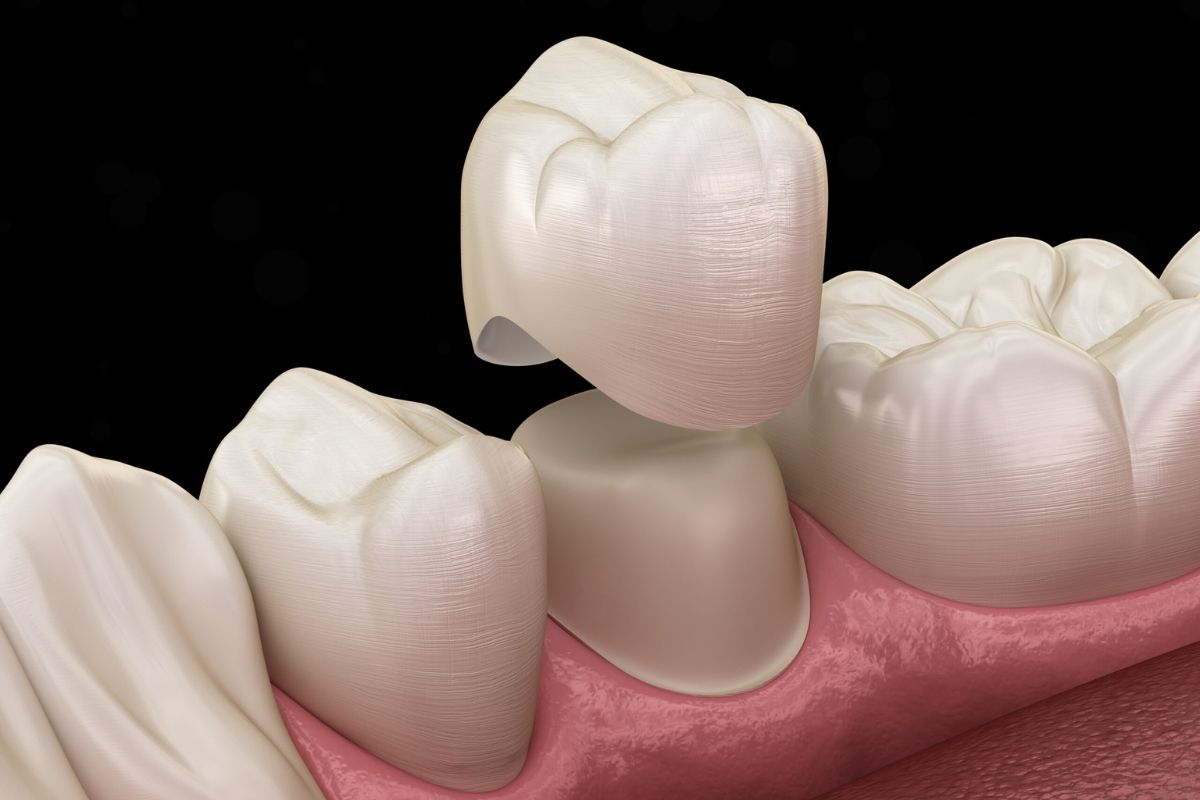
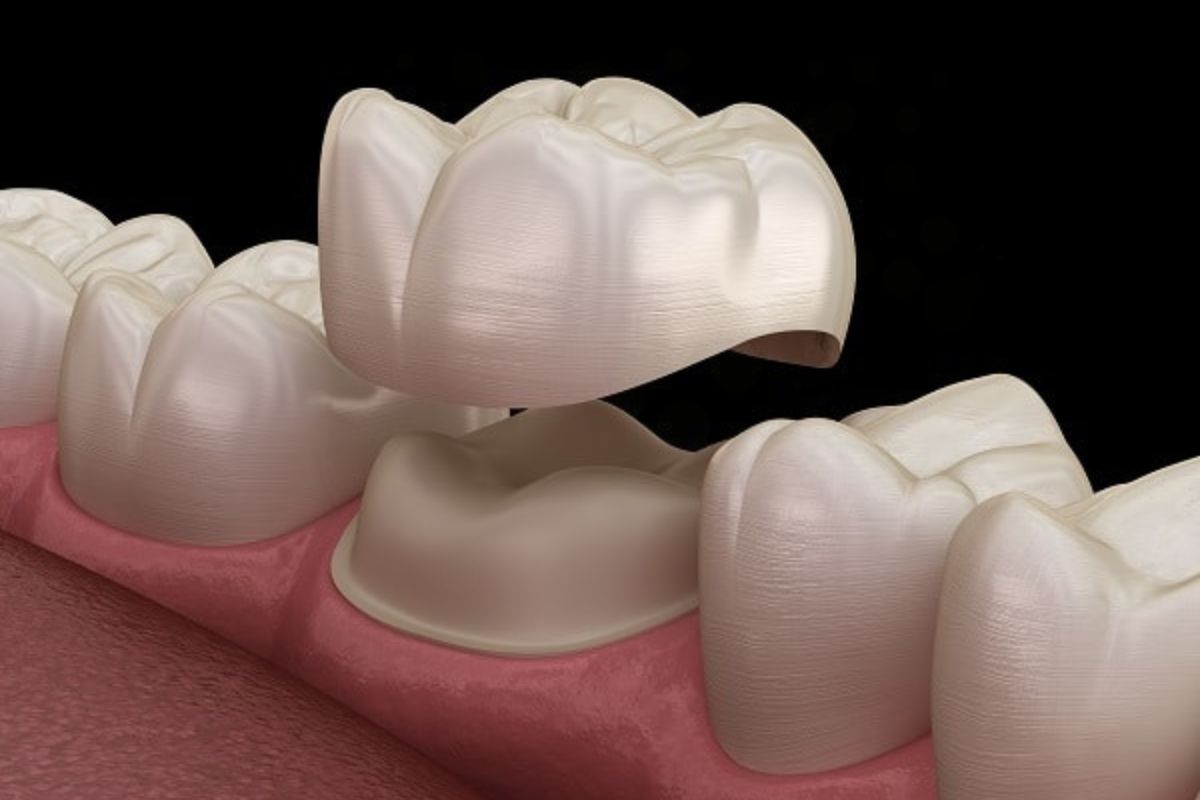
A dental crown is a custom-made covering that fits over the visible portion of a tooth. It restores the tooth’s shape, supports its structure, and helps it handle everyday activities such as biting and chewing.
Unlike a traditional filling, which repairs a specific area, a crown covers the tooth more completely. Dentists may recommend one when decay, cracks, wear, or previous dental work have weakened the remaining tooth structure.
A crown may help to:
- Protect a weakened tooth from further damage.
- Restore a broken or fractured tooth.
- Cover a tooth with extensive decay.
- Reinforce a tooth after root canal treatment.
- Replace the strength and appearance of a tooth with a large, damaged filling.
- Improve the shape or appearance of certain teeth.
Not every damaged tooth needs a crown. Your dentist will examine the tooth and determine whether a filling, bonding, an inlay, a crown, or another treatment offers the best outcome.
7 Warning Signs That You May Need a Dental Crown
If you notice changes in how your teeth look or feel, pay attention. The following symptoms can indicate that a tooth needs more support than routine dental care or a small filling can provide.
1. You Feel Pain When Biting or Chewing
Do you feel a sharp twinge when biting into an apple or chewing your favorite food? Pain during chewing can signal a cracked tooth, extensive decay, or damage around an existing filling.
Sometimes, the discomfort appears only when you bite down or release your bite. You might also notice that you avoid chewing on one side of your mouth.
These symptoms do not automatically mean you need a crown. Nevertheless, a dentist should examine the tooth to identify the cause and assess how much healthy structure remains. If a crack or weakened area threatens the tooth’s strength, a crown may help hold the remaining structure together.
2. You Have a Cracked or Broken Tooth
A cracked or broken tooth is one of the most noticeable warning signs that you need dental crown. A tooth may crack after biting something hard, experiencing an injury, or repeatedly grinding your teeth.
Even a small crack deserves attention because chewing pressure can make it worse over time. In some cases, the damage extends deeper than the visible surface.
Depending on the crack’s size and location, your dentist may recommend bonding, a filling, or a protective crown. However, a crack that reaches the tooth’s root or causes severe internal damage may require a different treatment.
If a piece of your tooth breaks off, avoid chewing on that side and arrange a dental examination promptly. Seek urgent care if you experience severe pain, swelling, or signs of infection.
3. You Have a Large Filling That Keeps Causing Problems
Fillings help repair cavities, but they cannot always provide enough support when a large portion of the original tooth has disappeared.
Over time, the remaining tooth walls may become more vulnerable to fractures. You might also notice that an older filling feels loose, chips, or repeatedly develops problems around its edges.
In this situation, your dentist may compare a new filling with a crown. A filling repairs a specific section, while a crown covers the tooth to provide broader protection.
If the tooth still has enough healthy structure, replacing the filling may work well. If it has become significantly weakened, a crown may offer better support.
4. Your Tooth Has Extensive Decay
Tooth decay often starts as a small cavity. Without timely treatment, however, the cavity can grow and weaken the tooth’s structure.
You may notice:
- A visible hole or dark spot on the tooth.
- Sensitivity to sweets, hot drinks, or cold foods.
- Food getting trapped in a damaged area.
- Toothache that becomes more frequent.
A small cavity often responds well to a filling. In contrast, extensive decay may leave too little healthy tooth structure to support a filling safely. In such cases, a crown can help restore the tooth’s shape and protect what remains.
The Newport News dentist at Covaney & Covaney can assess the extent of the damage and discuss suitable restorative options. The practice focuses on personalized dental care, with Dr. Michael Covaney’s advanced prosthodontic training supporting the treatment of complex restorative needs.
5. You Have Had a Root Canal
A root canal removes infected or damaged tissue from inside a tooth while preserving the remaining natural structure. Although this treatment can relieve infection-related problems, the tooth may still need additional protection.
The need for a crown depends on the tooth’s location, the amount of remaining structure, and the type of damage it had before treatment. Back teeth often face greater chewing forces, so dentists frequently recommend crowns for molars and premolars after root canal treatment.
Without adequate protection, a weakened tooth may crack under pressure. A crown can help restore its strength and function, allowing you to chew more comfortably.
Your dentist will explain whether a crown is necessary for your particular tooth and when to complete the restoration.
6. Your Tooth Looks Worn Down, Misshapen, or Damaged
Teeth naturally experience wear over time. However, frequent teeth grinding, clenching, acid erosion, and other dental problems can cause excessive wear.
You may notice that your teeth look shorter, have uneven edges, or no longer fit together comfortably when you bite. Some teeth may also develop chips or lose their natural shape.
When the damage affects both appearance and function, your dentist may recommend restorative treatment. A crown can rebuild a tooth’s shape and protect weakened areas. It may also improve the appearance of a tooth with significant structural damage.
Still, a crown is not always the first choice for cosmetic concerns. Minor chips or discoloration may respond better to bonding, whitening, or veneers. Your dentist will consider the tooth’s health before recommending a cosmetic solution.
7. Your Tooth Feels Weak or Has Repeatedly Broken
A tooth that repeatedly chips, fractures, or develops problems around an existing restoration may need more comprehensive protection.
For example, you might have received several fillings in the same tooth over the years. Each repair may leave less natural tooth structure available to support future treatment. Eventually, another filling may not provide enough strength.
A crown can cover the remaining tooth and distribute chewing forces across a broader area. This may reduce the risk of further fractures when the tooth is suitable for restoration.
However, repeated breakage can also result from grinding, an uneven bite, or a deeper crack. Your dentist should identify the underlying cause before deciding on the next step.
Dental Crown vs. Filling: Which Option Is Better?
Both treatments repair damaged teeth, but they serve different purposes. The right choice depends on how much healthy tooth structure remains and the type of damage.
| Feature | Dental filling | Dental crown |
|---|---|---|
| Main purpose | Repairs a specific damaged area | Covers and supports the visible tooth |
| Best suited for | Small to moderate cavities and limited damage | Extensive decay, fractures, or weakened teeth |
| Tooth coverage | Replaces missing structure in one area | Covers most or all of the visible tooth |
| Tooth preparation | Usually requires less removal of healthy structure | Usually requires reshaping the tooth |
| Main benefit | Preserves more natural tooth structure | Provides broader protection and restores function |
A filling is often the more conservative option when enough healthy tooth remains. A crown may be more appropriate when a filling cannot provide reliable support.
Neither treatment is automatically better in every situation. Your dentist will assess the tooth’s condition, explain the advantages and limitations of each option, and recommend a treatment based on your needs.
What Happens If You Ignore the Warning Signs?
It can be tempting to ignore mild sensitivity or occasional discomfort, especially when the symptoms disappear after a few days. However, the absence of pain does not always mean the tooth is healthy.
Delaying an examination may allow a small problem to become more complicated. Depending on the cause, untreated damage can lead to:
- A larger crack: Chewing pressure may cause a small fracture to spread.
- Deeper decay: Bacteria can continue damaging the tooth and may reach its inner pulp.
- Infection: Advanced decay or cracks can allow bacteria to reach the pulp, potentially leading to an abscess.
- Difficulty chewing: Pain or weakness may make it harder to eat comfortably.
- Tooth loss: Severe damage may eventually leave the tooth beyond repair.
Early treatment can help preserve natural tooth structure and prevent avoidable complications. If you notice persistent pain, swelling, a broken tooth, or sensitivity that keeps returning, seek a dental evaluation rather than waiting for the symptoms to worsen.
Facial swelling with difficulty breathing or swallowing requires emergency medical care.
How Can You Protect Your Teeth From Further Damage?
Although some dental problems develop despite good oral hygiene, a few everyday habits can reduce your risk of decay, wear, and fractures.
Follow a Consistent Oral Hygiene Routine
Brush twice daily with fluoride toothpaste and clean between your teeth every day. These habits help remove plaque and reduce the risk of cavities that may weaken your teeth.
Avoid Biting Hard Objects
Do not use your teeth to open packages, bite fingernails, or crack hard objects. Also, be careful with hard candies and ice, which can place excessive pressure on your teeth.
Address Teeth Grinding
If you wake up with jaw soreness or notice flattened tooth edges, discuss possible grinding or clenching with your dentist. A custom nightguard may help protect your teeth from excessive pressure.
Keep Up With Dental Checkups
Routine dental visits help your dentist identify decay, worn fillings, cracks, and other problems before they become more extensive. Your dentist may recommend a visit schedule based on your oral health and individual risk factors.
Follow Instructions After Restorative Treatment
If you already have a filling, crown, or other restoration, maintain good oral hygiene and attend regular checkups. Tell your dentist if the restoration feels loose, your bite changes, or discomfort develops.
When Should You See a Dentist About a Dental Crown?
Recognizing the warning signs that you need dental crown treatment can help you protect a damaged tooth before the problem becomes more serious. Pain while chewing, cracks, extensive decay, large fillings, excessive wear, and teeth weakened by root canal treatment are all reasons to seek a professional evaluation.
Remember, these symptoms do not always mean you need a crown. The best treatment depends on the extent of the damage, the tooth’s remaining strength, and your overall oral health.
At Covaney & Covaney, Dr. Michael Covaney and Dr. Sharon Cole Covaney provide personalized restorative care to help patients make informed decisions about their smiles. If you have a damaged, weakened, or painful tooth, request an appointment with Covaney & Covaney at 10 Sweetbriar Drive, Newport News, VA 23606, to discuss your treatment options and determine whether restorative care can help protect your smile.