Call Us Today : (757) 596-6850

Does Getting a Crown Hurt? What Patients Should Expect
If you’ve been told you need a dental crown, one of your first questions is probably: “Does getting a crown hurt?” It’s a common concern among patients, especially those who are nervous about dental procedures. The truth is, modern dentistry has made getting a dental crown a smooth, safe, and almost pain-free experience. In this blog, we’ll explain what really happens during the process, what level of discomfort you might feel, and how to make your recovery easy and comfortable.
Understanding What a Dental Crown Is
Before diving into whether getting a crown hurts, it’s important to understand what a crown does.
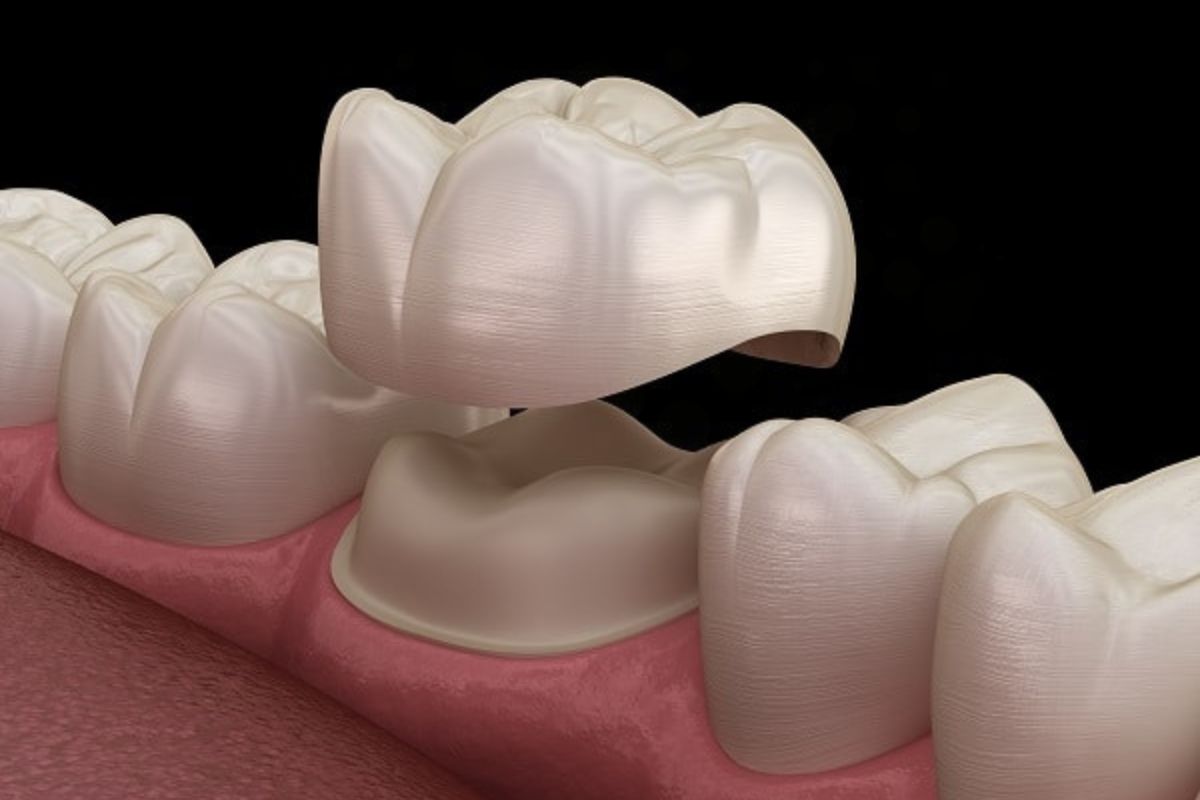
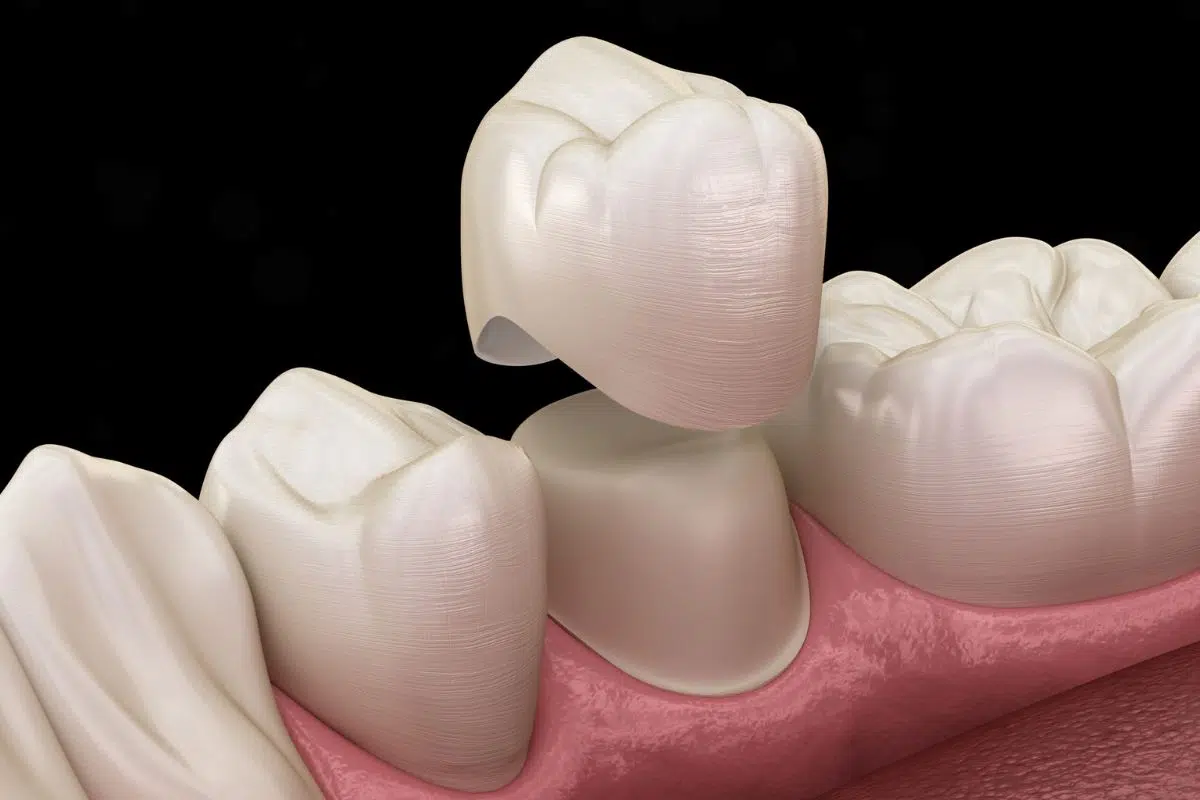
A dental crown is a tooth-shaped cap placed over a damaged or weakened tooth to restore its shape, strength, and appearance. Dentists recommend crowns for:
- Teeth with large fillings or cracks
- Teeth that have undergone root canal treatment
- Severely worn-down or discolored teeth
- Cosmetic restoration
In simple terms, a crown protects your natural tooth like a shield, helping you chew, smile, and talk comfortably again.
Does Getting a Crown Hurt During the Procedure?
The short answer is no, getting a crown typically doesn’t hurt. That’s because dentists use local anesthesia to numb your tooth and the surrounding area. This ensures you don’t feel pain while your dentist prepares your tooth.
Here’s what usually happens:
- Numbing the Area: Your dentist applies a numbing gel first, followed by a local anesthetic injection. Within a few minutes, the area becomes completely numb.
- Tooth Preparation: The dentist carefully reshapes the tooth to make room for the crown. You may feel vibrations from the drill, but no pain.
- Taking Impressions: Either a digital scanner or a mold captures your tooth’s shape for the crown’s design.
- Temporary Crown Placement: While your permanent crown is being made, a temporary one is placed to protect the tooth.
Most patients describe the experience as a pressure or mild vibration, not pain.
Is There Pain After Getting a Crown?
After the anesthesia wears off, it’s normal to experience mild soreness or sensitivity for a few days, especially when biting down or drinking hot or cold beverages. However, this discomfort fades quickly.
Here’s what you might notice:
- Slight tenderness in the gums
- Sensitivity to temperature changes
- Mild discomfort when chewing
To manage this, you can:
- Take over-the-counter pain relievers like ibuprofen
- Avoid sticky or hard foods for a few days
- Use a toothpaste for sensitive teeth
- Rinse with warm salt water to soothe the gums
If your pain lasts longer than a week or worsens, contact your dentist for an adjustment.
The Experience at Covaney & Covaney: Comfort Comes First
At Covaney & Covaney, patient comfort is our top priority. Many people visit our practice asking, “Does getting a crown hurt?” and leave pleasantly surprised at how easy the experience was.
We use advanced technology and gentle techniques to ensure the crown process feels smooth and relaxing from start to finish. Whether it’s your first dental crown or your third, our caring team will walk you through every step and make sure you’re at ease.
Our dental crowns are made from durable, natural-looking materials that match your tooth color, giving you both strength and beauty in your smile.
How to Prepare for Your Crown Appointment
A little preparation can make your crown procedure even easier. Here’s what you can do:
- Eat beforehand: Since your mouth will be numb for a while, have a light meal before your appointment.
- Communicate: Let your dentist know if you’re anxious or have a low pain threshold.
- Follow instructions: Your dentist may advise you to avoid certain foods or drinks before your visit.
Staying relaxed and informed helps make the process more comfortable and stress-free.
Does Getting a Crown Hurt? Understanding Common Myths
There are several myths surrounding dental crowns that can make patients nervous. Let’s clear them up:
- Myth 1: “Crowns always hurt.”
Fact: With anesthesia and modern dental tools, most patients feel little to no pain. - Myth 2: “Crowns take multiple painful visits.”
Fact: Many dental offices, including Covaney & Covaney, now offer same-day crowns using digital technology. - Myth 3: “Crowns feel uncomfortable forever.”
Fact: Once adjusted properly, crowns feel and function just like natural teeth.
Tips for a Smooth Recovery
After getting your crown, follow these simple tips to ensure quick healing and comfort:
- Avoid chewing on the treated side for a day or two.
- Keep your mouth clean with gentle brushing and flossing.
- Stay hydrated and avoid very hot foods right away.
- Visit your dentist for follow-ups if sensitivity persists.
These habits will help your new crown settle comfortably while protecting your underlying tooth.
When to Call Your Dentist
While mild soreness is normal, call your dentist if you notice any of the following:
- Persistent pain after a week
- Swelling or redness around the gumline
- Difficulty biting or chewing
- A loose or high-feeling crown
Addressing these issues early ensures your dental crown stays strong and comfortable for years.
Getting a Crown Is Easier Than You Think
So, does getting a crown hurt? — not really. Thanks to modern dental care, the procedure is quick, comfortable, and highly effective. You may feel minor sensitivity afterward, but it usually goes away in a few days.
If you’re worried about the process or ready to restore your smile, Covaney & Covaney is here to help. Our experienced dental team ensures a gentle, personalized experience for every patient.
To learn more, visit our dental office today or schedule an appointment for dental crowns. You deserve a healthy, confident smile — and getting a crown doesn’t have to hurt at all!