Call Us Today : (757) 596-6850

Does Getting a Dental Crown Hurt? What to Expect
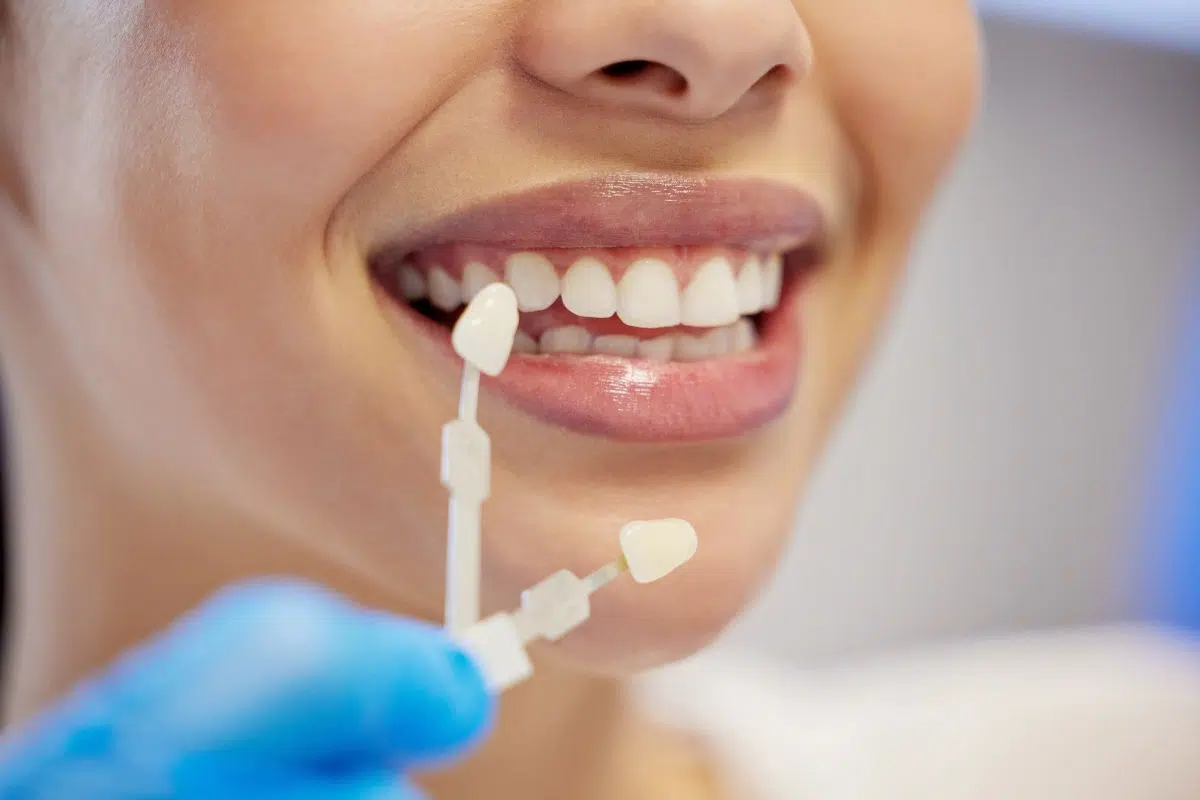
Dental procedures can feel intimidating when you don’t know what to expect. One of the most common questions patients ask is, “Does getting a dental crown hurt?” The good news is that with today’s advanced techniques and gentle care, the procedure is typically painless. Understanding what crowns are, how they are placed, and what recovery looks like can help you feel confident about your treatment.
What Exactly Is a Tooth Crown?
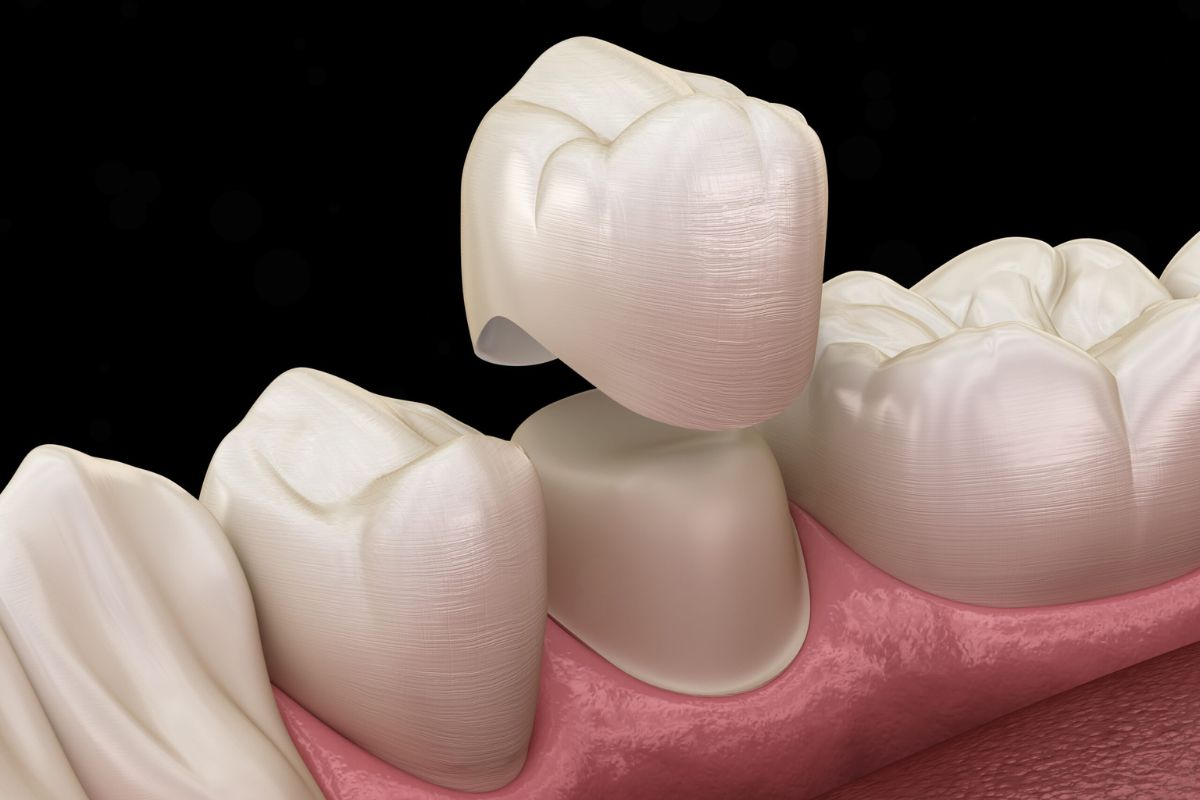
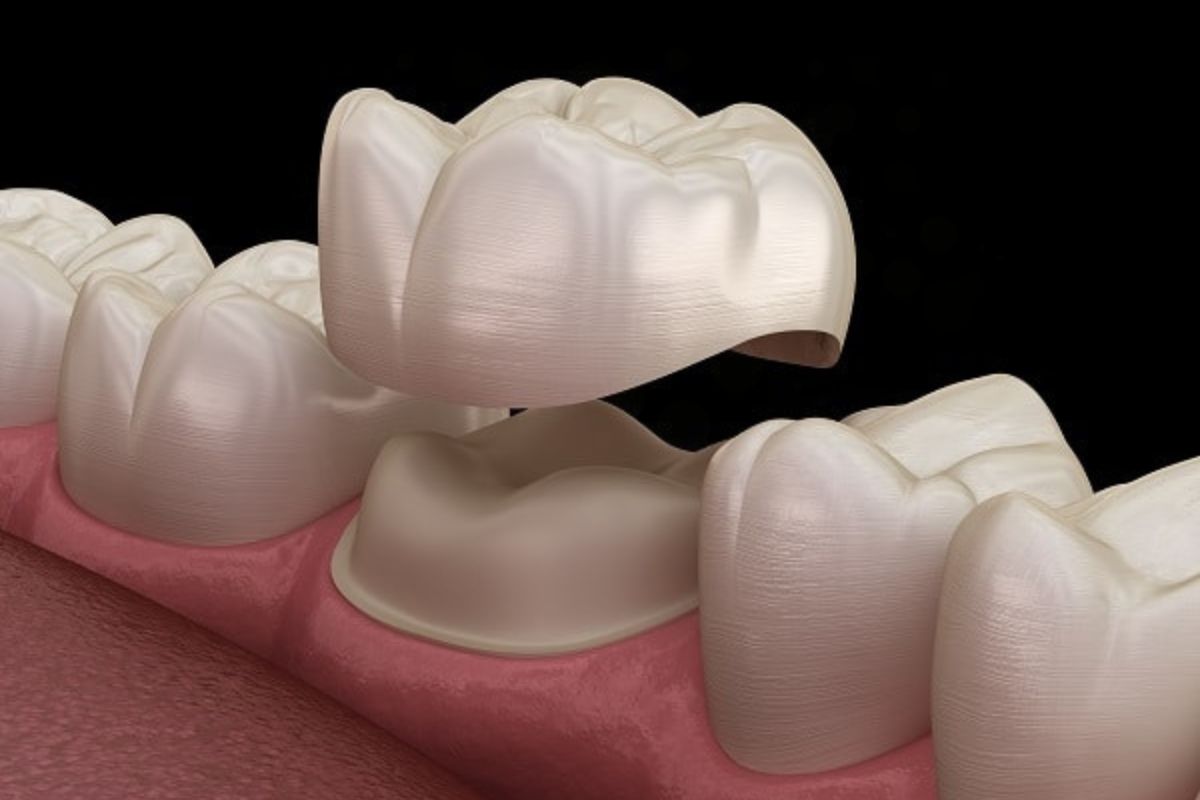
Crowns are custom-crafted caps designed to cover and protect damaged or weakened teeth. They are like strong shields that restore teeth’s shape, strength, and natural look. Depending on your requirements, crowns may be crafted from porcelain, ceramic, metal, or a blend of these materials.
Dentists often recommend tooth caps in several situations:
- To protect a tooth after a large filling that has left it vulnerable
- To restore a fractured or worn-down tooth
- Strengthening a tooth following a root canal
- To improve the look of a stained or misshapen tooth
- To support a dental bridge or cover a dental implant
If you are considering dental crowns, knowing the purpose of this treatment helps you see it as an important step in maintaining your long-term oral health.
Do Dental Crowns Hurt?
The biggest concern for many patients is whether the procedure itself will hurt. Thankfully, most people find the experience far more comfortable than they expected.
Your dentist will begin by applying local anesthesia to numb the treatment area. This ensures you won’t feel pain while your tooth is being prepared. You may notice sensations like pressure, vibration, or movement, but these are not painful.
Once the crown is cemented in place, it’s common to feel a little sensitivity, especially to hot or cold temperatures. This mild discomfort usually fades within a few days as the tooth adjusts. If needed, over-the-counter medication can ease the transition.
The reality is that dental crown is designed to relieve discomfort, restore function, and not hurt.
Step-by-Step: How a Tooth Crown Is Placed
Knowing what will happen during the procedure can help reduce anxiety. Here’s the process broken down into clear steps:
- Examination & X-rays – Your dentist will examine the tooth, take X-rays, and discuss your treatment plan.
- Tooth Preparation – A thin layer of enamel is gently reshaped to make room for the crown.
- Impressions – A digital or traditional mold is taken to design a crown that fits seamlessly with your bite.
- Temporary Crown – A temporary crown is fitted to safeguard your tooth while the permanent crown is being made.
- Final Placement – At your next visit, the permanent cap is carefully adjusted, fitted, and cemented in place.
Each step is performed with precision to ensure your crown feels comfortable and looks natural.
What to Expect After the Procedure?
Once your crown is in place, you may notice slight gum irritation or tenderness around the treated tooth. This is completely normal and usually clears up within a few days. Good oral hygiene plays a key role in your recovery and the crown’s longevity.
- Brush twice daily with a soft-bristle toothbrush.
- Floss carefully around the tooth cap to prevent plaque buildup.
- Avoid sticky or hard foods while wearing a temporary cap.
- Make sure to schedule regular checkups so your dentist can keep an eye on your crown’s condition and ensure everything stays in great shape condition.
With proper care, these oral appliances can last 10 to 15 years or even longer. If discomfort continues beyond the adjustment period, schedule a visit to ensure the bite and fit are correct.
What are the Benefits of Dental Crowns?
Capped teeth offer more than just protection; they can transform both your dental health and confidence. Some key benefits include:
- Restoration of strength and function so you can chew comfortably.
- Protection of weakened teeth, preventing further damage.
- Improved appearance, blending seamlessly with natural teeth.
- Longevity: With proper care, crowns can last many years.
- Confidence boost, allowing you to smile, eat, and speak with ease.
Patients often notice they feel more self-assured in both professional and social settings after treatment.
So, does getting a dental crown hurt? Thanks to modern dentistry, the answer is no. The procedure is virtually painless and designed to protect your natural teeth while restoring their strength and beauty. Any temporary sensitivity is minor compared to the long-term benefits of preserving your smile.
At Covaney & Covaney, we focus on making every step of the process as comfortable as possible. If you’re considering dental crowns, you can schedule an appointment with our team today.