Call Us Today : (757) 596-6850

how long after temporary crown can I eat?
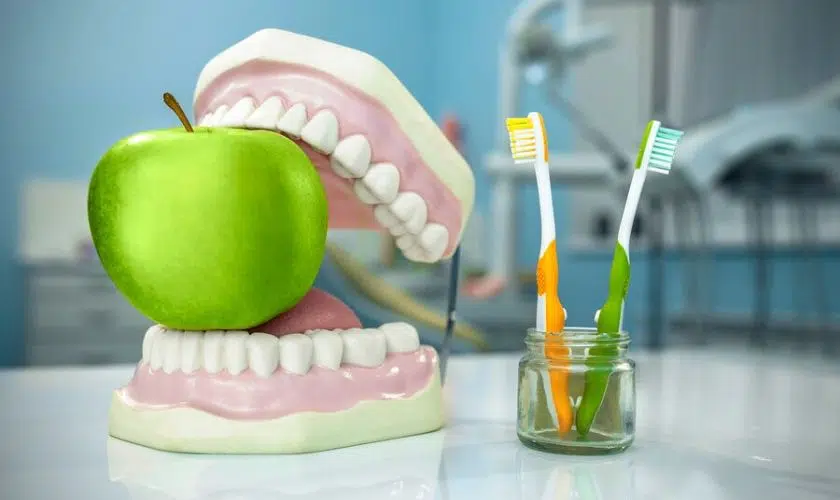
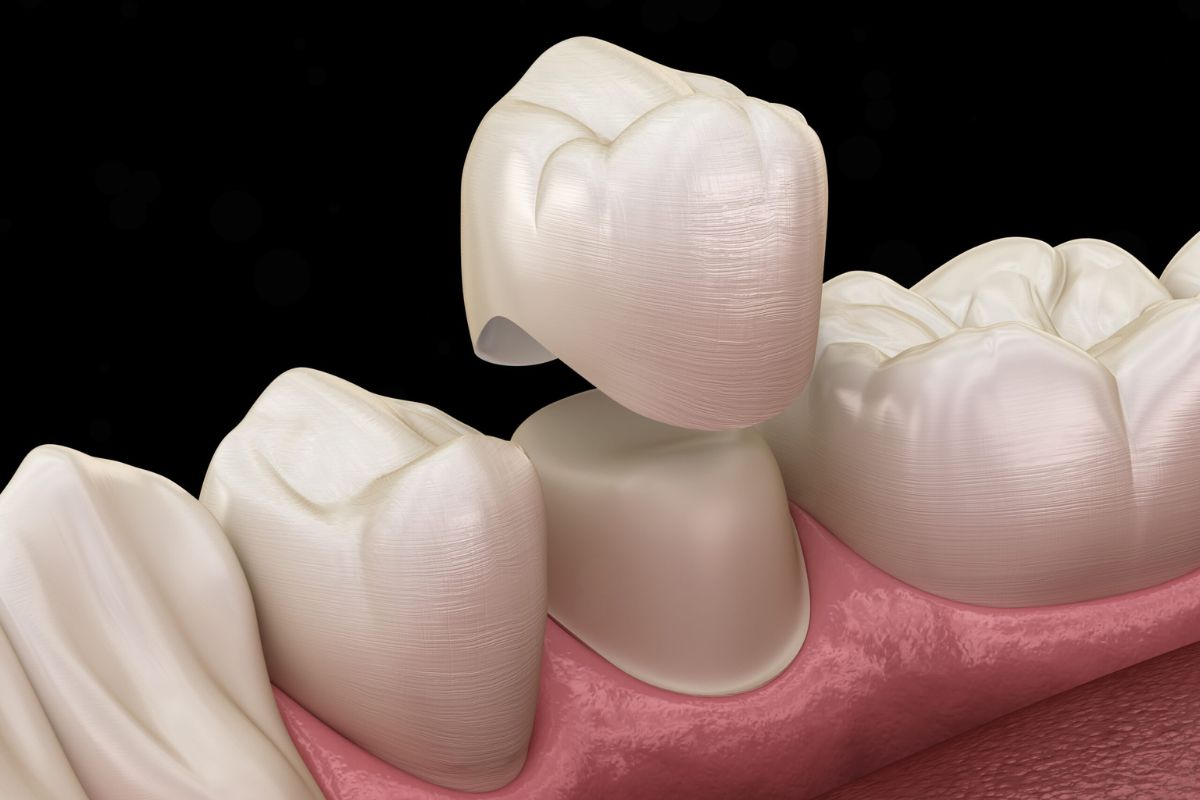
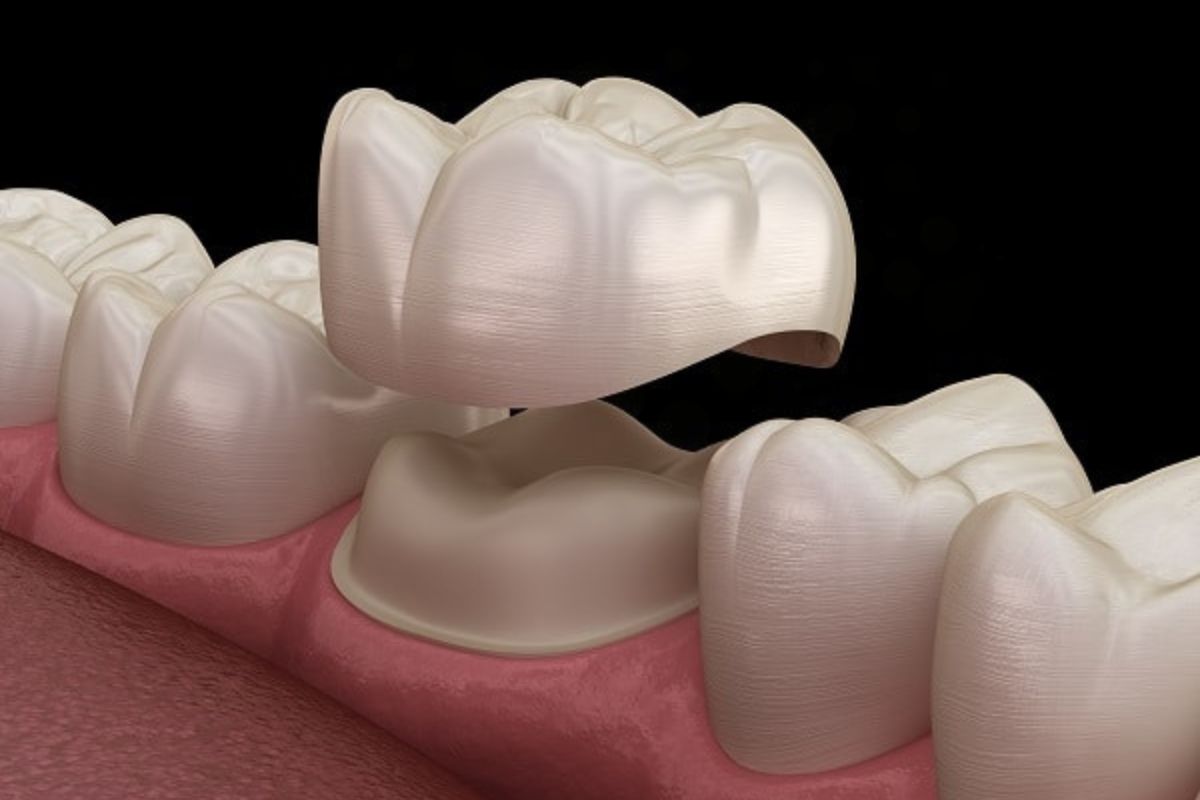
A temporary crown is an essential part of dental care, providing protection and functionality while a permanent crown is being crafted. Once you have a temporary crown in place, you might wonder about your eating habits and how long you need to wait before resuming normal activities, particularly eating. Understanding the guidelines for eating after getting a temporary crown can ensure the longevity and effectiveness of both the temporary and permanent crowns.
The Immediate Post-Procedure Period
Immediately after having a temporary crown placed, it is crucial to give the adhesive enough time to set properly. Most dentists recommend waiting at least 30 minutes before eating or drinking anything. This waiting period allows the cement to harden and secure the temporary crown in place, reducing the risk of dislodgement or shifting.
Eating Soft Foods
During the first 24 hours after the procedure, it’s best to stick to soft foods. Soft foods are less likely to cause discomfort and reduce the risk of damaging or dislodging the temporary crown. Here are some recommended soft foods:
- Soups: Ensure they are not too hot, as extreme temperatures can affect the adhesive.
- Yogurt: A smooth and easy-to-eat option.
- Mashed Potatoes: Soft and gentle on the teeth.
- Scrambled Eggs: Easy to chew and unlikely to cause any harm.
- Smoothies: Nutritious and easy to consume without chewing.
Avoid hard, crunchy, or sticky foods during this period, as they can dislodge or damage the temporary crown.
Gradual Return to Normal Eating
After the first 24 hours, you can gradually start incorporating more solid foods into your diet. However, it is still important to be cautious and follow specific guidelines to ensure the temporary crown remains intact and functional until your permanent crown is ready.
Chewing with Caution
When you start eating solid foods, try to chew on the opposite side of your mouth from where the temporary crown is placed. This precaution helps prevent undue pressure on the temporary crown, reducing the risk of dislodgement or damage.
Avoiding Certain Foods
Certain foods can pose a risk to your temporary crown. Here are some foods to avoid until your permanent crown is in place:
- Sticky Foods: Caramel, gum, and other sticky foods can pull at the temporary crown and cause it to come loose.
- Hard Foods: Nuts, hard candies, and ice can crack or dislodge the temporary crown.
- Chewy Foods: Foods like steak or crusty bread can put too much pressure on the temporary crown.
- Sugary Foods: Excess sugar can contribute to decay under the temporary crown, leading to complications.
Maintaining Good Oral Hygiene
Keeping the area around your temporary crown clean is crucial to prevent any complications. Here are some tips for maintaining good oral hygiene:
- Brush Gently: Use a soft-bristled toothbrush and brush gently around the temporary crown.
- Floss Carefully: When flossing near the temporary crown, slide the floss out rather than lifting it, which can dislodge the crown.
- Rinse with Mouthwash: Using an antibacterial mouthwash can help keep the area clean and reduce the risk of infection.
The Importance of Follow-Up Appointments
Your dentist will schedule a follow-up appointment to place the permanent crown, typically within two to three weeks. During this period, it is essential to follow all care instructions provided by your dentist to ensure the temporary crown remains intact and functional. Any issues with the temporary crown should be reported to your dentist immediately to prevent further complications.
Conclusion
Eating after getting a temporary crown requires some adjustments and caution to ensure the temporary crown stays in place and functions properly. By waiting at least 30 minutes before eating, sticking to soft foods for the first 24 hours, and avoiding hard, sticky, and chewy foods, you can protect your temporary crown until your permanent one is ready. Maintaining good oral hygiene and attending follow-up appointments are also crucial for the success of the temporary crown. With these guidelines, you can navigate the period with a temporary crown smoothly and look forward to receiving your permanent crown.