Call Us Today : (757) 596-6850

Signs You May Have a Root Cavity and How to Identify It Early
Are you dealing with a toothache? Avoiding it at the initial stage can lead to a serious issue with the root cavity. If so, it is important to identify the issue at the earliest. Many people experience tooth pain, and while it might not seem like a big deal at first, ignoring it can lead to more serious problems. Detecting this oral problem early can save you from more painful and expensive treatments later on. Do you want to know the common signs of cavities and how you can prevent them at an initial stage? Stay tuned till the end of this blog for complete information.
Key Symptoms of a Cavity You Should Not Ignore
There are certain symptoms of tooth decay that indicate it’s time to see an experienced dentist at Covaney & Covaney to prevent severe discomfort and avoid more complex treatments.
Tooth Pain or Sensitivity Without an Obvious Cause
A common sign of a cavity is sudden tooth pain that seems to appear out of nowhere. If your tooth throbs or aches without any clear cause, it could be due to decay. As this oral issue develops, it can cause the enamel of your tooth to wear away, revealing the softer dentin underneath. This can result in discomfort when your tooth comes into contact with hot, cold, or sweet foods.
Pain When Eating Certain Foods
Do you feel sharp pain when eating ice cream, hot foods, or even biting down? This sensitivity happens when the root cavity exposes the dentin layer of your teeth, which contains tiny tubes leading to the nerve of your teeth. Eating these foods can cause discomfort, as they may irritate your nerves, making them feel more sensitive due to decay.
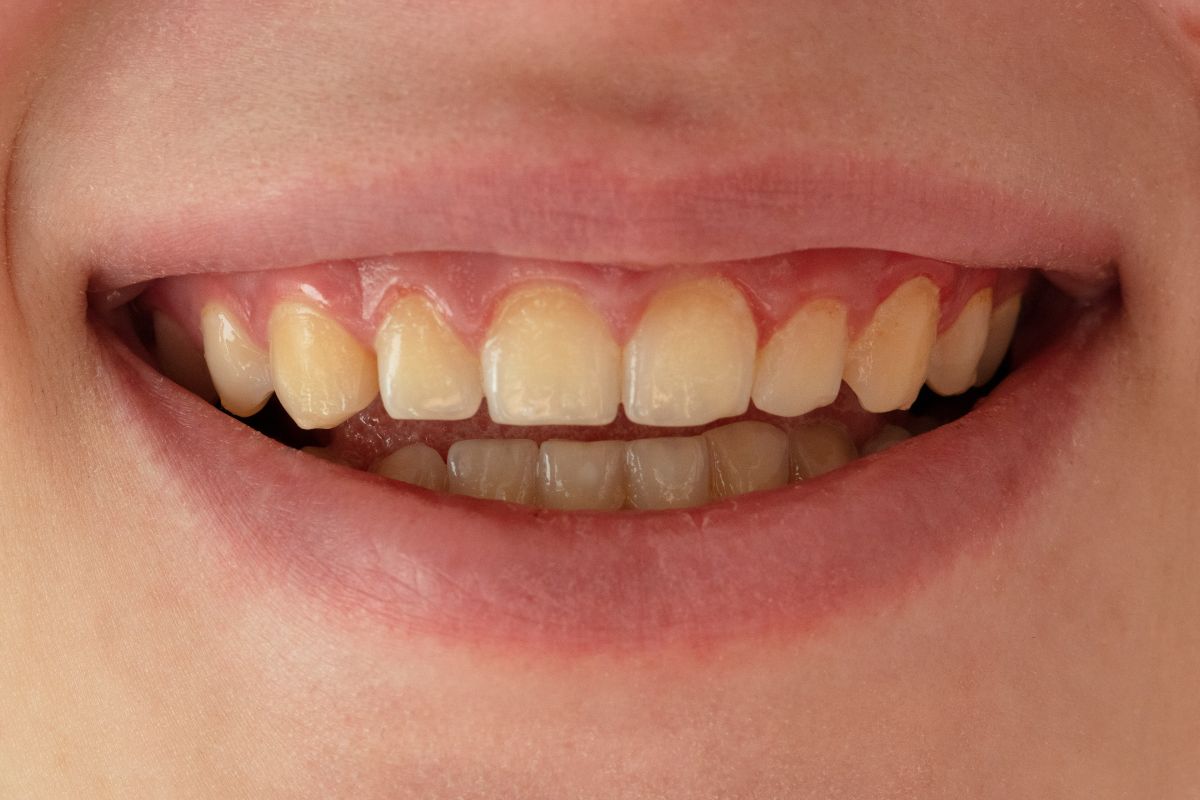
Visible Discoloration or Holes in Your Tooth
If you find a white or dark spot on your tooth, this is an early symptom of decay. With time, these spots can develop into larger holes. It is important to consult your dentist as soon as you notice these indicators, as it could mean a cavity is forming.
Sharp Pain When Biting Down
If you experience sharp pain while biting, it may indicate serious decay that is affecting the pulp or nerve. The pressure while biting can trigger pain. Untreated cavities can lead to infections, which may require invasive procedures like a root canal.
Persistent Bad Breath
Halitosis, or bad breath, can often result from bacterial buildup caused by tooth decay. As the cavity progresses, bacteria can start to multiply, which might leave you with an unpleasant taste or odor. If bad breath still persists after regular brushing and mouthwash, visit your dentist immediately.
Tooth Discoloration
Cavities can cause tooth discoloration, especially off-white or dark brown spots. These changes usually indicate that your tooth is starting to decay, which can eventually turn into a cavity if left untreated.
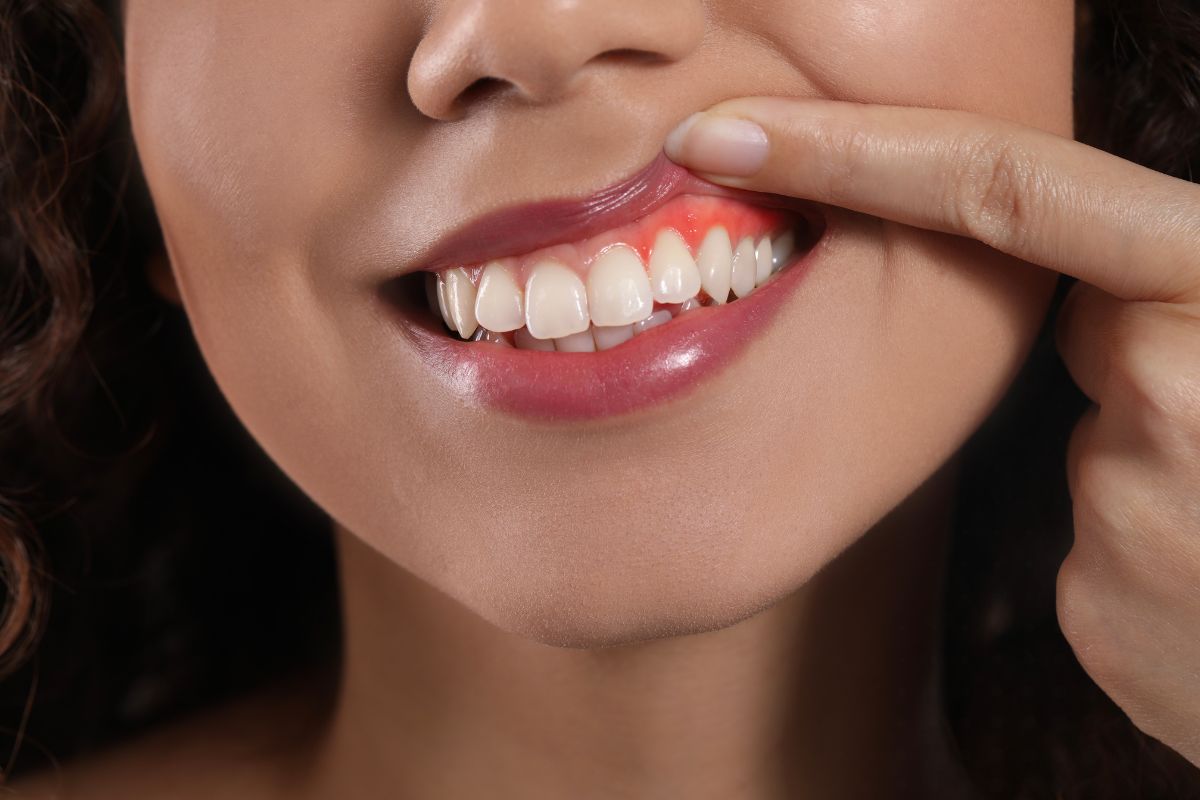
Swollen or Bleeding Gums
Tooth decay can develop near the gum line, causing your gums to swell or bleed, especially when brushing or flossing. If you notice this happening, it is a sign that decay may be affecting the soft tissue around your tooth.
How to Prevent Cavities and Protect Your Teeth?
Preventing cavities is much simpler than addressing them once they form! Here are some simple, effective steps to protect your teeth:
- Brush Regularly: Brush your teeth twice a day with fluoride toothpaste to strengthen your enamel and remove plaque.
- Floss Daily: Flossing is essential for removing food particles and plaque between your teeth that your toothbrush cannot reach.
- Stay Hydrated: Drinking plenty of water helps rinse away food particles and bacteria in your mouth while enhancing saliva production, which protects your teeth.
- Limit Sugary Foods and Drinks: Sugary snacks, sodas, and juices promote bacteria build-up in your mouth, increasing the risk for cavities.
- Regular Dental Visits: Regular check-ups allow your dentist to spot early signs of cavities or other dental issues before they become more serious.
If you live in Newport News and notice any of these symptoms, do not wait, visit our Newport News based dental office as soon as possible. Whether you need a filling or a routine cleaning, keeping up with your oral health is always a good idea. If you notice any of the above-mentioned symptoms, book your appointment today and take the first step toward maintaining excellent dental health!