Call Us Today : (757) 596-6850

Understanding the Different Types of Dental Crowns: Which is Best for You?

Welcome to our dental blog, where we dive into the world of oral health and guide you toward a brighter smile! Today, we’re unlocking the secrets behind dental crowns – those tiny superheroes that save damaged teeth from complete disaster. But with so many options available, how do you know which crown is your knight in shining enamel? Fear not, dear reader! In this article, we’ll unravel the mysteries surrounding different types of dental crowns and help you find the perfect fit for your pearly whites. So sit back, relax, and discover the key to preserving your precious smile!”
What is a Dental Crown?
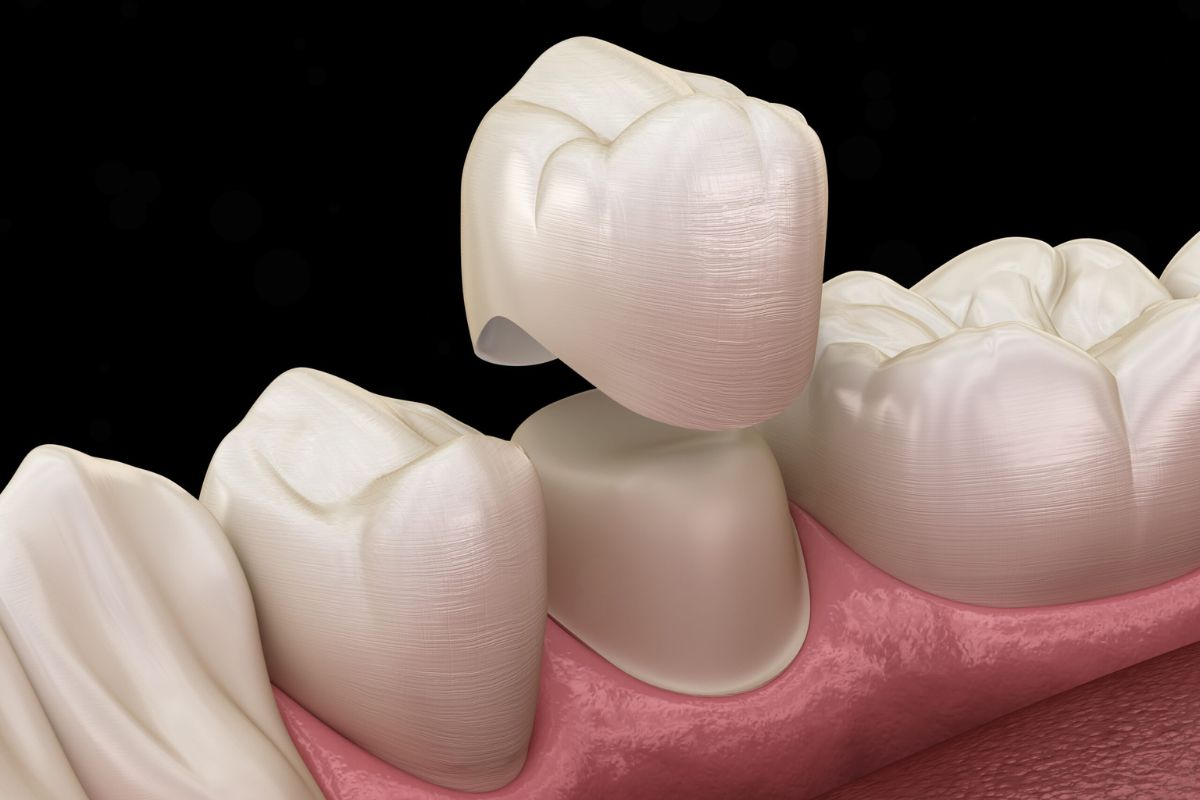
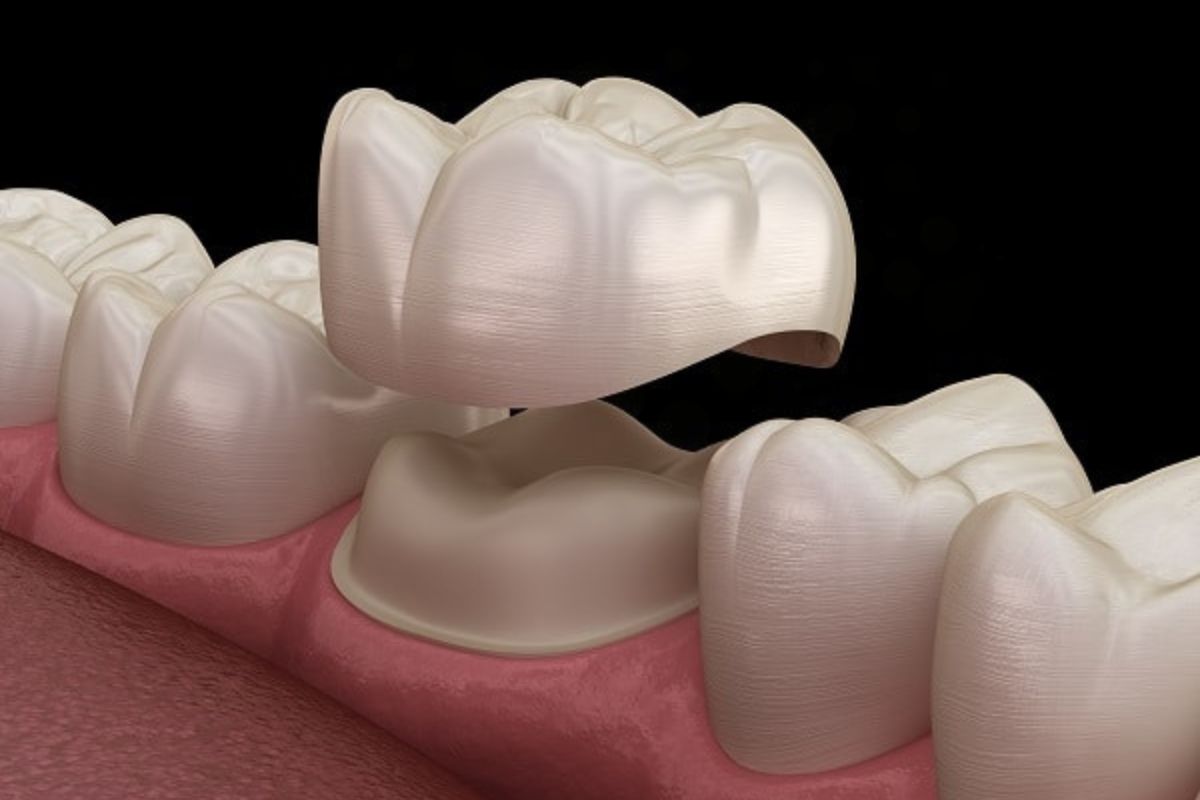
A dental crown is a type of restoration that is used to cover a large hole or area in your tooth. Crowns are different from fillings, which are smaller chips and plugs that are placed in specific areas of your teeth. A dental crown is made up of several different parts: the base, the arch, and the surface. The base is what attaches the crown to your tooth. The arch is the part of the crown that sits on top of your tooth and curves around it. The surface is what you see when you look at a crown and it’s the part that meets your gum line.
What are the Different Types of Dental Crowns?
When it comes to dental crowns, there are three main types: full denture, partial denture, and dental bridge. Each has its benefits so it’s important to choose the type that is best for you.
Here’s a look at each type of crown:
Full Denture Crowns:
Full denture crowns are the most common type of crown. They’re made from a single piece of metal or plastic that’s screwed onto the tooth. They provide coverage for all of the teeth in your smile and can be used to replace all or part of a lost tooth. Full denture crowns can be expensive, but they’re usually considered the best option for replacing a lost tooth.
Partial Denture Crowns:
Partial denture crowns are similar to full denture crowns except they cover only some of your teeth. This is usually cheaper than full denture crowns and can be used to replace small missing teeth or fix damage to other teeth.
Dental Bridge Crowns:
Dental bridges are a combination of a full denture and a partial denture crown. They consist of two parts: an upper and lower jawbone that connect by metal wires (the bridge). The upper jawbone contains many natural teeth that can be replaced with artificial teeth (dentures), and the lower jawbone contains several artificial teeth that act as supports for the
Benefits of each Type of Crown
There are three main types of dental crowns: removable, fixed, and veneers.
Each has its own set of benefits.
- Removable crowns are the most common type and are the easiest to remove. They come in a variety of shapes and sizes, so they can be matched to your teeth perfectly.
- Fixed crowns are usually made from metal or plastic and are permanently attached to your tooth. They’re typically less easy to remove than removable crowns, but they’re more resistant to damage and can last longer. Fixed crowns usually require a longer appointment time than other types of crowns, but they’re typically cheaper than removable crowns.
- Veneers are a type of fixed crown that’s placed over a damaged tooth or area on your teeth. They’re very thin and often look pretty natural. Veneers last much longer than other types of fixed dental Crowns and don’t require any maintenance.
Choosing the Best Crown for You
There are many dental crowns, each with its benefits. If you’re not sure which type is right for you, or if you want to explore different options before making a decision, here’s a guide to help you choose the best crown for your needs.
Traditional Crowns:
Traditional crowns are the most common type and are made of porcelain or metal. They’re typically attached to the tooth by a set of glue dots and then pushed into place using a dental drill. traditional crowns can last up to 10 years but may require occasional adjustment or replacement due to wear and tear. They’re generally less expensive than other types of crowns and are generally considered less invasive than other options.
Onion Crown:
Onion crowns are similar in style to traditional crowns, but they have a ridged design that makes them easier to remove. They’re also slightly more expensive than traditional crowns, but they last longer and don’t require regular maintenance.
Snap-on:
Snap-on crowns are designed to be removable in just seconds without any tools required. They come in many styles and colors, and they usually offer shorter longevity (around six months) than other types of crowns.
Radiographic Crown:
A radiographic crown is made from thin metal sheets that are placed over the damaged area of your tooth using X-rays.
Conclusion
If you’re considering a dental crown, it’s important to understand the different types so you can make an informed decision. Whether you need a new or replacement crown, understanding the different types will help you choose the right one for your needs.